

Previous research has shown that people tend to approach hypothetical problems in a more rational and less intuitive fashion when these are presented in a language that is not their native one.
Articles on Vaccine hesitancy
Displaying 41 - 60 of 251 articles

Being presented with facts doesn’t do much good if you don’t feel like your core values are respected. That’s especially true when it comes to health care decisions.

A series of vaccines offered during high school protect teenagers against certain diseases, and help reduce the spread of these diseases in the community.

While the inquiry gets most things right, as vaccine experts, we argue the government response should be broadened in three areas.

Our ability to adapt to changing circumstances plays an important part in our health decisions. New research suggests health education campaigns need to take this into account.

Whooping cough is surging in Australia. In 2024, we’ve already recorded more than six times the cases we saw in all of 2023.

Many claims about the dangers of vaccines come from misrepresenting scientific research papers.

Expanding the places people can get a flu vaccine could help.
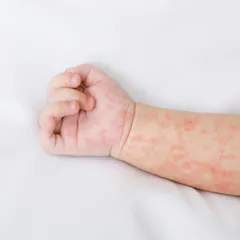
The resurgence of measles and whooping cough is troubling. The most effective way to prevent the return and spread of vaccine-preventable diseases is through vaccination and combating vaccine hesitancy.

Vaccine skepticism, and the broader medical mistrust and far-reaching anxieties it reflects, is not just a fringe position in the 21st century.

A pediatrician and preventive medicine physician explains how measles vaccines became victims of their own success and the risk that rising outbreaks pose to everyone.
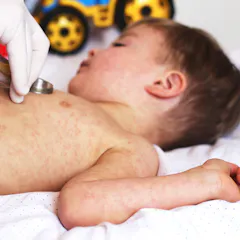
Though the outbreaks overseas are bigger, a number of cases have also been detected in Australia so far this year.

Herd immunity to measles is waning due to vaccine hesitancy over MMR. Adult MMR is one way to help get it back up again.

To build trust with an audience, scientists must demonstrate that they are competent experts. But they must also come across as warm, caring and human.

Projections from the UKHSA suggest London could see a measles outbreak totalling 40,000 to 160,000 cases at current vaccination levels.

Tackling misinformation will be a big part of addressing vaccine hesitancy.
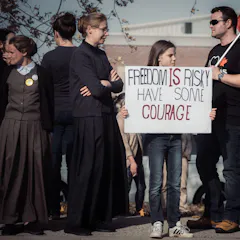
To adequately prepare for the next pandemic, we need to understand where people’s spirituality and science scepticism overlap – and why.
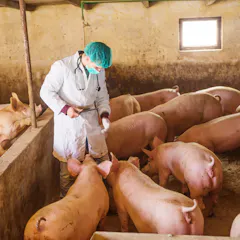
While mRNA vaccines are designed to last longer in the body than mRNA molecules typically would, they are also tested to ensure they are eliminated from livestock long before milking or slaughter.
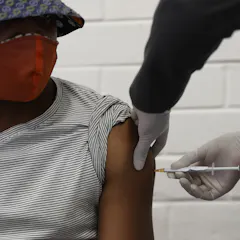
Curbing vaccine hesitancy is as much a matter of acknowledging its social, historical, and cultural roots as it is of addressing its clinical dimensions.

A new study has looked at more than 15,000 people across 21 countries to assess whether vaccinated and unvaccinated people discriminate against each other.
Top contributors
-

Associate Professor of Health Law, Policy and Management, Boston University
-
Professor, School of Population Health, UNSW
-
Professor of Paediatrics and vaccinologist, Royal Childrens Hospital, University of Melbourne and Murdoch Childrens Research Institute (MCRI); Associate Dean International, University of Melbourne, Murdoch Children's Research Institute
-
Research Fellow, Vaccine Uptake Group, Murdoch Children's Research Institute
-
Professor, School of Public Health, University of Sydney
-
Professor, School of Social Sciences, The University of Western Australia
-
Extraordinary Professor, Global Health, Stellenbosch University; South African Medical Research Council
-
Endowed Professor of Health Policy and Associate Dean, George Washington University
-
Assistant Professor of Communication and Political Science, The Ohio State University
-
Senior Scientist, Cochrane South Africa, South African Medical Research Council (SAMRC) and Honorary researcher, Division of Social & Behavioural Sciences, School of Public Health, UCT, South African Medical Research Council
-
Professor of Neurology, Medicine (Infectious Diseases), and Epidemiology, University of Colorado Anschutz
-
Executive Director, African Population and Health Research Center
-
Senior Lecturer, School of Communication, Journalism and Marketing, Te Kunenga ki Pūrehuroa – Massey University
-
Assistant Professor of Health Policy and Managment, School of Public Health, Texas A&M University
-
Postdoctoral Research Associate in Public Interest Communications, University of Florida