
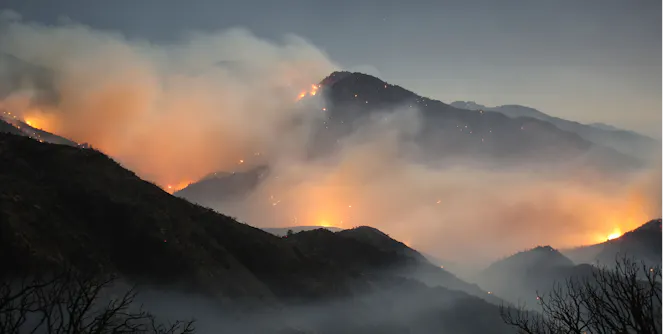
As the risk of fires rises in areas once considered too wet to burn, it creates hazards for mountain communities and for downstream water supplies.
Articles on US West
Displaying 41 - 60 of 73 articles
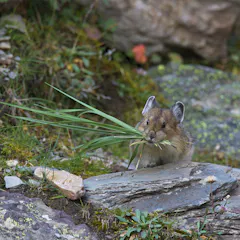
Pikas – small cousins of rabbits – live mainly in the mountainous US west. They’ve been called a climate change poster species, but they’re more adaptable than many people think.
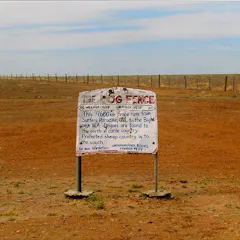
Millions of miles of fences crisscross the Earth’s surface. They divide ecosystems and affect wild species in ways that often are harmful, but are virtually unstudied.
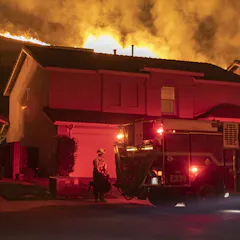
A fire scientist offers a six-point strategy for preventing wildfires and living safely in flammable landscapes.
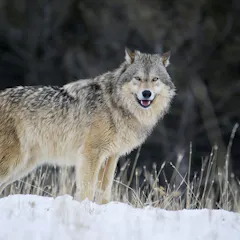
For the first time in the US, a ballot measure will ask voters whether to restore wolves to a place where they’ve been eradicated. Coloradans have strong views on both sides.
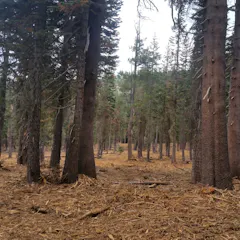
Restoring western forests – thinning out small trees and dead wood – is an important strategy for reducing the risk of massive wildfires. But these projects aren’t fast, easy or cheap.
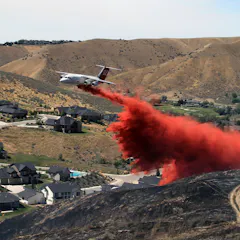
Wildfires aren’t always wild. Many of the most expensive and damaging fires happen in suburban areas, and nearly all blazes in these zones are started by humans.

Debating whether climate change or forest management has caused the devastating wildfires in California, Washington and Oregon is a false choice.
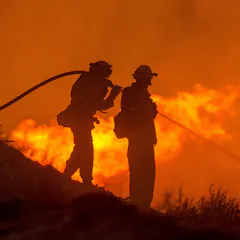
It’s comforting to blame California’s wildfires on human stupidity. But this hides a very uncomfortable truth.
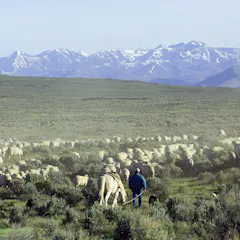
Do public lands in the West belong to Westerners, or all Americans? Moving a federal agency’s headquarters from Washington, DC to Colorado is the latest skirmish in a longtime struggle.
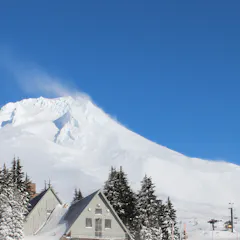
New research forecasts that climate change will make multiyear stretches with low snow levels more common across western North America – bad news for water managers, farmers, foresters and skiers.
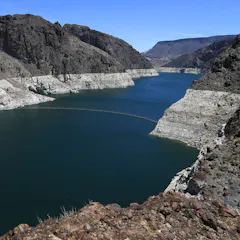
Western states adopted a 7-year plan in May 2019 to manage low water levels in the Colorado River. Now they need to look farther ahead and accept that there will be less water far into the future.
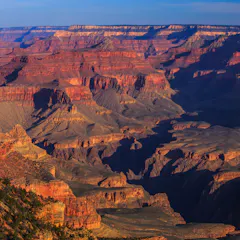
The Grand Canyon, which marks 100 years as a national park on Feb. 26, 2019, is known today as an iconic natural wonder. But early European visitors weren’t impressed.
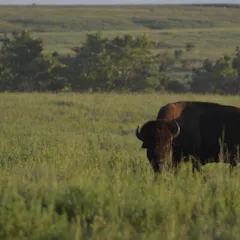
Bison once dominated the Great Plains but were nearly wiped out by hunters in the 1800s. Now scientists are learning that bison’s presence improves plant and wildlife diversity on the prairies.
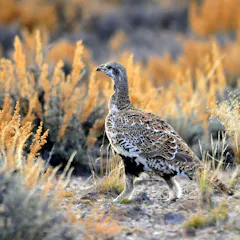
The Interior Department is expanding oil and gas leasing on land in six western states that is vital habitat for the greater sage grouse. Lawsuits are certain to follow.
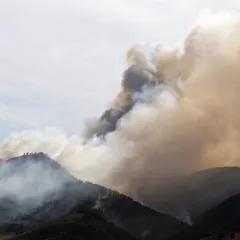
Some observers have blamed recent wildfires on poor forest management, while others point to climate change. In fact, a climate scientist explains, reducing fire risks means tackling both issues.

Huge fires roared through Yellowstone National Park in the summer of 1988, scorching one-third of the park. Since then the park has been a valuable lab for studying how forests recover from fires.
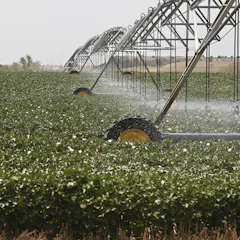
The Ogalalla Aquifer is a vast underground lake that irrigates farms across the US Great Plains. It took thousands of years to fill, but human use could drain it in roughly a century.

Many cities are removing their Confederate statues. But pioneer monuments represent a racist past, too. There are at least 200 of them, and their future is now being debated.
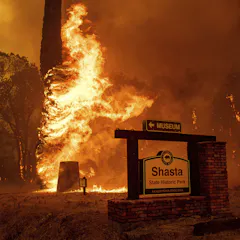
Climate change, development, past forest management policies and current firefighting practices are creating conditions for large, costly wildfires.
Top contributors
-

Regents Professor Emeritus and Morris K. Udall Professor of Law & Public Policy Emeritus, University of Arizona
-
Professor of Fire Ecology, University of Montana
-
Associate Professor of Civil Engineering, Boise State University; United Nations University
-
Associate Professor of Geography and Director, Earth Lab, University of Colorado Boulder
-
W. M. Keck Professor of Environmental Analysis and History, Pomona College
-
Professor of Engineering, University of California, Merced
-
Cecil D. Andrus Endowed Chair for Environment and Public Lands and University Distinguished Professor, Boise State University
-
Senior Research Scientist, Colorado Water Institute, Colorado State University
-
Professor Emeritus of Political Science, University of Utah
-
Research Associate in Climate Science, Massachusetts Institute of Technology (MIT)
-
Samual A. Graham Dean, and William B. Stapp Collegiate Professor of Environmental Education, School for Environment and Sustainability, University of Michigan
-
Professor of Practice in Water Policy and Governance and Director, Water Resources Program, University of New Mexico
-
Senior Research Associate and Director, Western Water Policy Program, University of Colorado Boulder
-
Research Scientist in Ecological Transformation, University of Colorado Boulder
-
Professor of Paleoclimatology and Paleoecology, University of Wyoming