
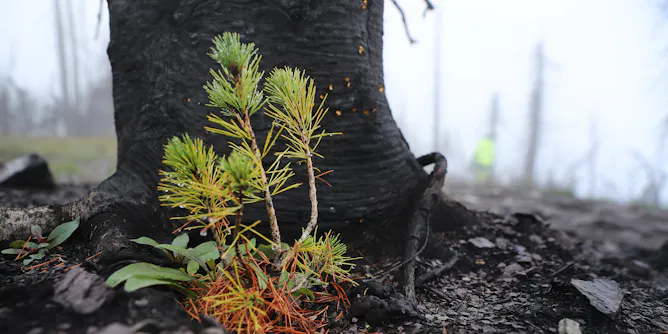
Over 50 fire ecologists across the Western U.S. took an unprecedented look at how forests in thousands of locations are recovering from fire in a changing climate. The results were alarming.
Articles on US West
Displaying 21 - 40 of 73 articles
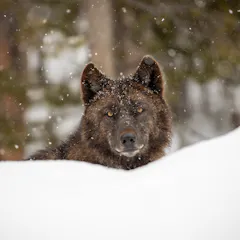
Less than a century ago, Colorado hunted, trapped and poisoned all the wolves within its borders. Today it’s restoring them – a change that reflects a profound shift in human thinking.
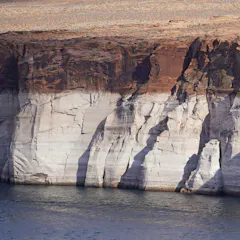
Lake Powell’s existential crisis is a unique opportunity to save a treasured landscape.
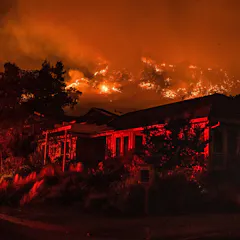
More homes are burning in wildfires in nearly every Western state. The reason? Humans.
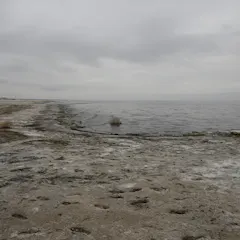
Fifty years ago, the Salton Sea was a draw for boaters and fishermen; today it’s an ecological time bomb. Two water experts who served on a state review panel describe its proposed rescue plan.
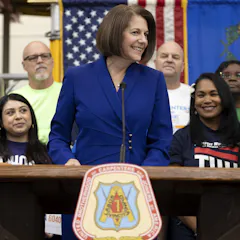
Democrats have ridden the West to presidential electoral success since 1992, reversing their poor performances from the 1950s through the 1980s.

Wildfires are remaking western US forests. Decisions about managing forests that have burned should factor in how fires change animal behavior and interactions between predators and prey.
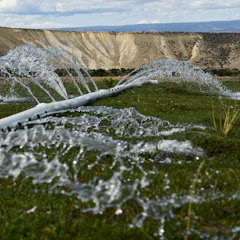
Stemming the water crisis in the western US will require cities and rural areas to work together to make water use on farms – the largest source of demand – more efficient.
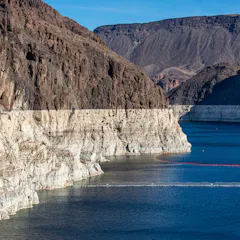
The Colorado River provides water and electricity to 40 million people in the western US, but falling water levels threaten both of those resources.
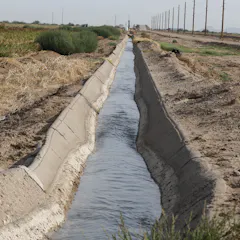
Agreements negotiated a century ago to share water on Western rivers among states are showing their age in a time of water scarcity.
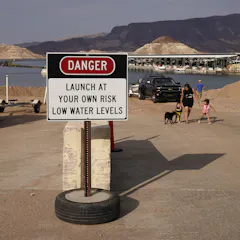
A Western scholar proposes allocating water from the Colorado River based on percentages of its actual flow instead of fixed amounts that exceed what’s there – and including tribes this time.
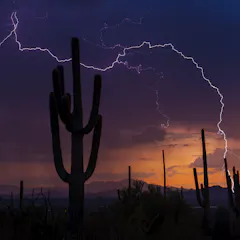
Monsoons are weather patterns that bring thunderstorms and heavy rains to hot, dry areas when warm, moist ocean air moves inland. They’re challenging to forecast, especially in a changing climate.
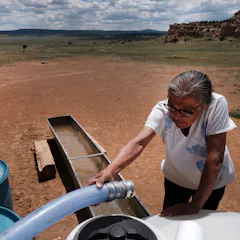
Cities and farmers in the Southwest are resorting to unsustainable strategies to pull in more water. Iran has tried many of these strategies and shows how they can go wrong.
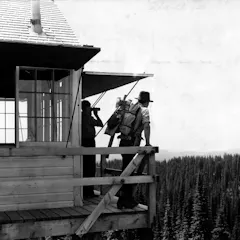
The US has learned that it cannot suppress its way to a healthy relationship with fire in the West. That strategy failed, even before climate change proved it to be no strategy at all.
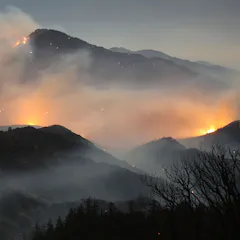
As the risk of fires rises in areas once considered too wet to burn, it creates hazards for mountain communities and for downstream water supplies.
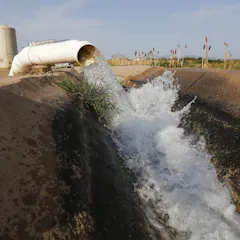
A long-expected federal drought declaration underlines how serious the Colorado River water shortage has become for Western states.
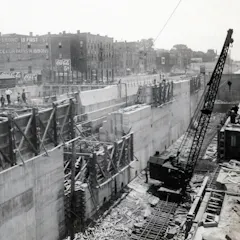
The lasting problems of infrastructure aren’t of need or construction, but of overbuilding, delayed costs and the challenges of thinking ahead.
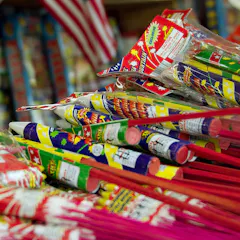
Every year, the number of wildfires caused by humans spikes on Independence Day. There are safer ways to celebrate amid the heat and drought.
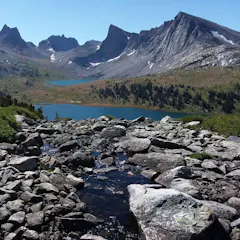
The area’s iconic national parks are home to grizzlies, elk and mountain snowfall that feeds some of the country’s most important rivers. A new report show the changes underway as temperatures rise.
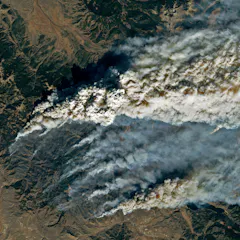
Scientists studied charcoal layers in the sediment of lake beds across the Rockies to track fires over time. They found increasing fire activity as the climate warmed.
Top contributors
-

Regents Professor Emeritus and Morris K. Udall Professor of Law & Public Policy Emeritus, University of Arizona
-
Professor of Fire Ecology, University of Montana
-
Associate Professor of Civil Engineering, Boise State University; United Nations University
-
Associate Professor of Geography and Director, Earth Lab, University of Colorado Boulder
-
W. M. Keck Professor of Environmental Analysis and History, Pomona College
-
Professor of Engineering, University of California, Merced
-
Cecil D. Andrus Endowed Chair for Environment and Public Lands and University Distinguished Professor, Boise State University
-
Senior Research Scientist, Colorado Water Institute, Colorado State University
-
Professor Emeritus of Political Science, University of Utah
-
Research Associate in Climate Science, Massachusetts Institute of Technology (MIT)
-
Samual A. Graham Dean, and William B. Stapp Collegiate Professor of Environmental Education, School for Environment and Sustainability, University of Michigan
-
Professor of Practice in Water Policy and Governance and Director, Water Resources Program, University of New Mexico
-
Senior Research Associate and Director, Western Water Policy Program, University of Colorado Boulder
-
Research Scientist in Ecological Transformation, University of Colorado Boulder
-
Professor of Paleoclimatology and Paleoecology, University of Wyoming