
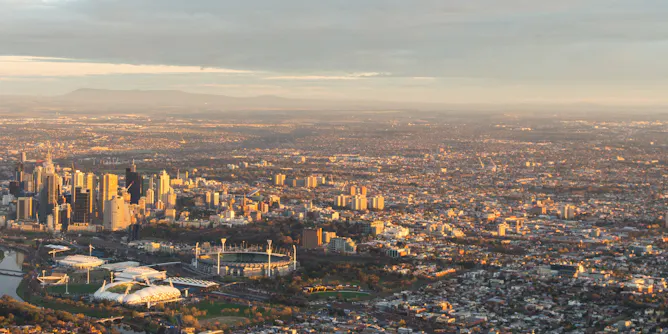
Planning innovations around the world offer inspiration, but ultimately the innovations needed to make Australia’s sprawling cities more sustainable must be shaped by local conditions.
Articles on Urban planning
Displaying 361 - 380 of 694 articles

The UK is terrible at creating child-friendly environments and children are suffering for it.
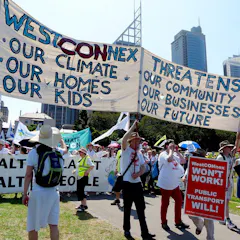
The health concerns that dominate public submissions to the parliamentary inquiry into WestConnex are a reminder that papering over such issues comes back to haunt governments.
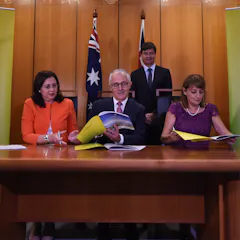
How smart are our cities now? In Queensland, a study of all 78 local government areas reveals major gaps between the ten leading the way in becoming smart cities and the rest of the state.
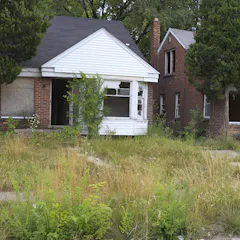
By the time a building is abandoned and falls into disrepair, its community is already suffering. Michigan scholars suggest it’s time to plan for structures’ end of life before they even go up.
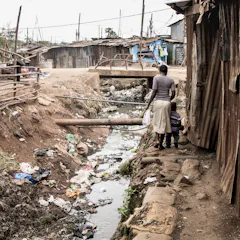
The rental housing market in Nairobi’s informal settlements offers its tenant households a perverse market outcome of higher prices for lower quality products.

Central City 2048 proposes one new rail line, three metro lines and almost 300,000 extra jobs for the new CBD, one of three proposed for metropolitan Sydney. Clearly, the investment needed is massive.
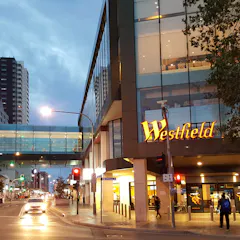
The Greater Sydney metropolis is envisaged as having three CBDs by mid-century, but an assessment of the proposed Central City around Parramatta shows how much work is needed to make that a reality.

What exactly is the ‘built environment’?And is the term the best way to frame what we’re trying to achieve today?
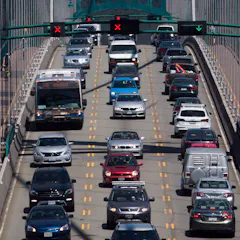
It’s easy to over-estimate crowding and traffic in highly visible downtown cores and underestimate the vast growth happening in the suburban edges of our metropolitan regions.

Brasília was designed to be a just and inclusive city, but it still failed. Can Egypt’s new capital avoid the same mistakes?
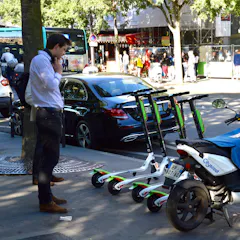
Shared electric scooters appeal as a way to cover that awkward distance between public transport stops and your destination. But first e-scooter operators must solve the littering and dumping problem.
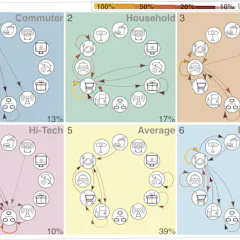
Big data from smart phone and credit cards can uncover the daily rhythms of city life, for all its residents.
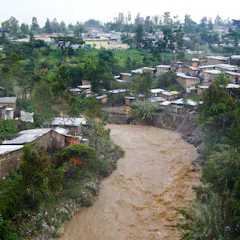
Planning for rivers is one thing, but implementation is another as urbanisation and population growth increases.

Many US cities are investing in bike infrastructure and shade trees. Properly located, these additions can make streets cooler, cleaner and safer for all users – even those who drive.
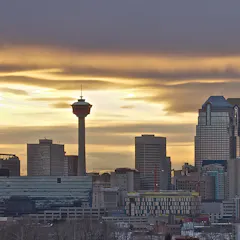
Vancouver lost out to Calgary as Canada’s most livable city this year. Why? Is it the high cost of housing or is it the city’s ‘neighbourhood first’ method that sometimes creates business instability?
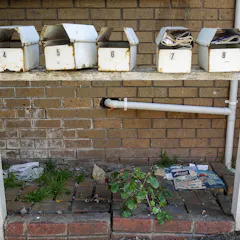
We wear our surroundings like a cloak. Lower-income communities often live in environments that discourage healthy, outdoor activities. This perpetuates their poorer health and traps them in poverty.
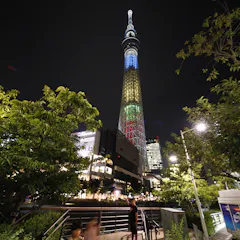
Athletes and spectators are likely to encounter dangerously hot temperatures when Tokyo hosts the 2020 Olympic games. With two years to go, there’s still time to take protective measures.
In the 1970s, a young urban planning professor, Dolores Hayden, believed that city design was the key to unlocking patriarchal structures that trapped women in the home. How much has the city changed?

Planners have long tried to determine the ideal city size, and ideas have evolved with changing circumstances. But a good city depends more on the way it’s managed than on how many people it holds.
Top contributors
-

Professor of Human Geography and Planning, University of Tasmania
-
Senior Lecturer in Urban and Environmental Planning, Griffith University
-
Head of Urbanism and Associate Professor of Urban Studies, School of Architecture, Design and Planning, University of Sydney
-
Associate Professor of Urban Planning, The University of Melbourne
-
Professor of Planning, School of Built Environment, UNSW
-
Associate Professor in Urban Planning, The University of Queensland
-
Professor of International Planning, Centre for Urban Research, RMIT University
-
Associate Professor in Urban and Regional Planning, University of Sydney
-
Teaching Assistant Professor, University of Pittsburg and Visiting Associate Professor, The University of Osaka, University of Pittsburgh
-
Associate professor, UNSW International Centre for Future Health Systems, UNSW
-
Honorary Professor of Planning, The University of Queensland
-
Senior Lecturer in Urban Planning & Design, Monash University
-
Professor of Sustainability, Curtin University
-
Senior Lecturer, University of Environment and Sustainable Development
-
Professor, City Futures Research Centre, UNSW