
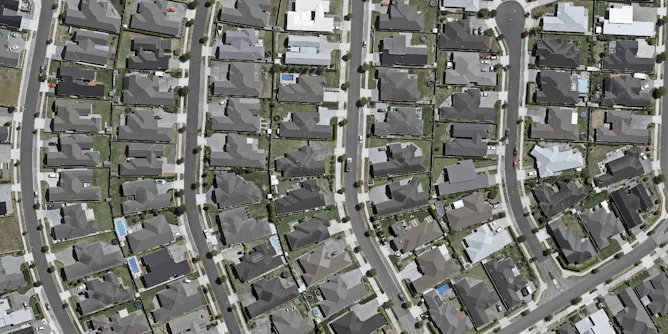
New Zealand’s urban green space has dwindled over the past six decades. The Commissioner for the Environment has issued a warning and a challenge – get greener before climate change gets meaner.
Articles on Urban green space
Displaying 21 - 40 of 49 articles

A big reason the idea is gaining momentum globally is that the benefits for the health of individuals, communities and the environment are clear and almost immediate.
Voters in the region have long been seen as caring more about their finances than green issues. But living through extreme heat, rain and floods has them focused on living with climate change.
Freetown, the capital city of Sierra Leone, has a chief heat officer, the first in Africa. She has her work cut out for her.
South Africa needs to integrate urban green spaces as part of valuable infrastructure and provide framework for their sustainability.

The UK government wants every household in England to be within 15 minutes walk of a park, woodland or water.
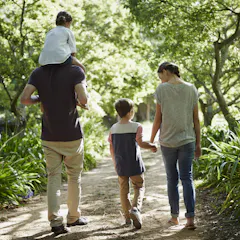
Urban green spaces are threatened by growing cities. But research shows the importance of protecting access to nature as housing densification increases.
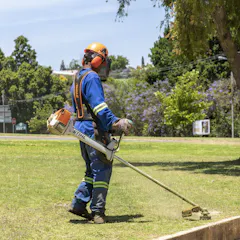
People may think that green spaces often hide criminals. On the contrary, there is evidence they contribute to reducing crime.
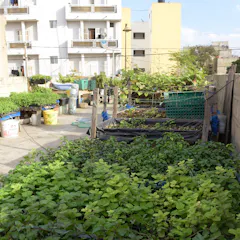
Green spaces have the potential to reduce heat and improve health, especially in urban areas.

Urban plantings are part of the solution to living in warmer cities, but most tree and shrub species in the world’s cities will struggle too. The impacts on liveability could be huge.
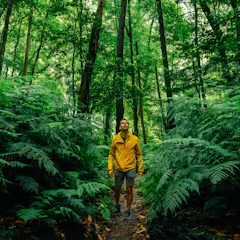
People wouldn’t last long without the countless other species we depend on for survival.
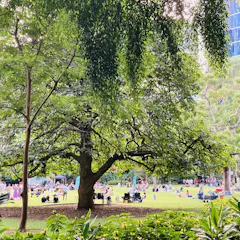
When the pandemic hit, green space was there for us at a time when others weren’t or couldn’t be. Urban greening might be the solution to the ‘lonelygenic environment’ that our cities have created.

Seen from above, parts of our cities now have very little green space, and we’re losing the green corridors that enable wildlife to move between the remaining urban habitats.
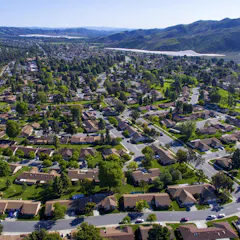
During heatwaves, the highest temperatures are often found in urbanized areas. Small green spaces are often overlooked as a way to cool urban areas.

There is a growing interest in planting small trees in urban areas. However, large trees have significant advantages.
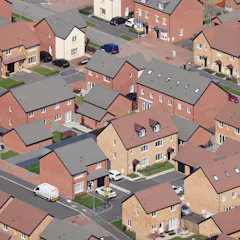
The more new housing a neighbourhood has, the less of the local area is dedicated to green space, which has knock-on effects for wellbeing and the climate crisis.
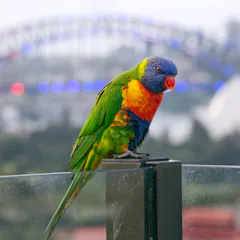
There’s enormous value in citizen science projects that encourage urban-dwellers to learn about what is often, quite literally, on their doorsteps.
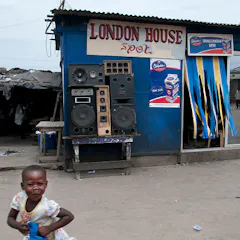
Ghanaian city authorities are focused on addressing problems of poverty, education and health rather than managing green spaces in slums

It’s no coincidence that more books about trees are popping up. There is an air of desperation in new books by Peter Wohllben, Janine Burke and others.
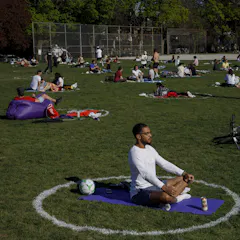
Green spaces can be part of the plan to ‘build back better’ after COVID-19. But city officials and policy-makers must address systemic racism for urban green spaces to benefit public health.
Top contributors
-

Senior Lecturer, Department of Architecture, Federal University of Technology, Akure
-
Researcher Associate, Centre for Urban Research, RMIT University
-
Senior Research Fellow, Sheffield Hallam University
-
Professor of Urban Health and Environment, UNSW
-
Associate Professor & ARC Industry Fellow, Urban Ecology, Curtin University
-
Professor of Cities and Planetary Health, ARC Future Fellow in nature-based solutions for loneliness, University of Sydney
-
Senior Lecturer in Urban Planning, University of Auckland, Waipapa Taumata Rau
-
Senior Research Associate, School of Agriculture, Food and Ecosystem Sciences, The University of Melbourne
-
Research Fellow, Social And Political Sciences, The University of Melbourne
-
Lecturer, Health Information Management, La Trobe University
-
PhD Candidate and Vanier Scholar, York University, Canada
-
Senior Researcher in Ecology & Biostatistics (CNRS), Université de Picardie Jules Verne (UPJV)
-
Lecturer in Planning, University of the Witwatersrand
-
Professor and ARC Future Fellow, Hawkesbury Institute for the Environment, Western Sydney University
-
Researcher, University of Cape Town