
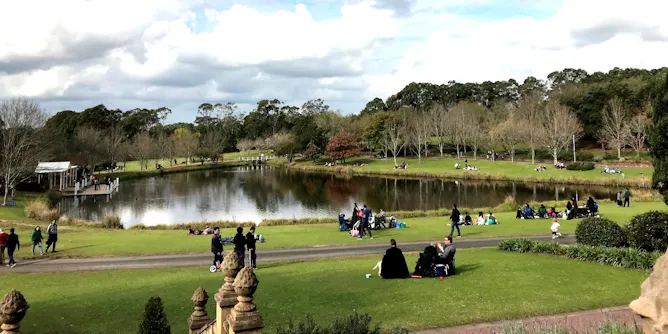
For the areas of cities with less than 10% green space, increasing that to 30% could cut the overall odds of residents becoming lonely by a quarter.
Articles on Urban green space
Displaying 41 - 49 of 49 articles

The more our cities grow, the more we need access to enjoy — and be in relationship with — urban forests to maintain our well-being.

To protect urban trees, it’s important to reduce the impact from construction. Advance planning and close supervision can help.

Access to parks and green space in England’s cities is far from equal.
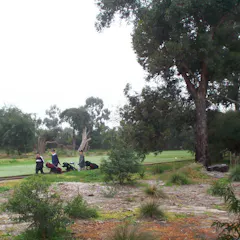
COVID-19 restrictions led to calls to open up golf courses to the public. But these are such precious refuges for native flora and fauna that access will have to be carefully managed.
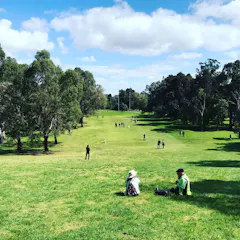
All parks are not equal. The response to the opening of golf courses to the public during the COVID pandemic shows the quality of green open space is a big issue for city residents.
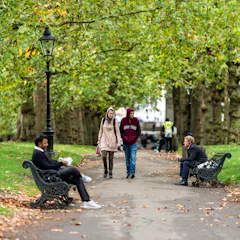
Politicians are keen to talk up the benefits of parks and other outdoor spaces – but less eager to spend money on their upkeep.
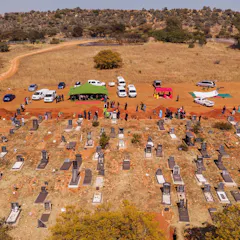
Municipalities are now forced to identify new cemetery planning methods and models that are environmentally sensitive and consistent with diverse cultural practices, and facilitate social cohesion.
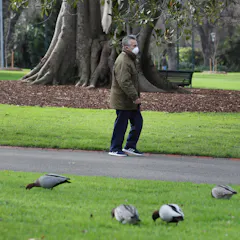
Melbourne’s stage 4 lockdown forbids residents travelling more than 5km from home during their daily hour of exercise. Fine for those in leafy suburbs, but not for those with less greenery nearby.
Top contributors
-

Senior Lecturer, Department of Architecture, Federal University of Technology, Akure
-
Researcher Associate, Centre for Urban Research, RMIT University
-
Senior Research Fellow, Sheffield Hallam University
-
Professor of Urban Health and Environment, UNSW
-
Associate Professor & ARC Industry Fellow, Urban Ecology, Curtin University
-
Professor of Cities and Planetary Health, ARC Future Fellow in nature-based solutions for loneliness, University of Sydney
-
Senior Lecturer in Urban Planning, University of Auckland, Waipapa Taumata Rau
-
Senior Research Associate, School of Agriculture, Food and Ecosystem Sciences, The University of Melbourne
-
Research Fellow, Social And Political Sciences, The University of Melbourne
-
Lecturer, Health Information Management, La Trobe University
-
PhD Candidate and Vanier Scholar, York University, Canada
-
Senior Researcher in Ecology & Biostatistics (CNRS), Université de Picardie Jules Verne (UPJV)
-
Lecturer in Planning, University of the Witwatersrand
-
Professor and ARC Future Fellow, Hawkesbury Institute for the Environment, Western Sydney University
-
Researcher, University of Cape Town