

We are all familiar with the built infrastructure we rely on every day. However, we don’t think as much about the critical value of nature.
Articles on Green spaces
Displaying 1 - 20 of 48 articles
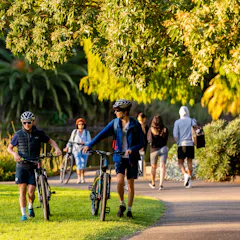
For many citydwellers, parks are sanctuaries, But they may also be home to harmful pathogens.
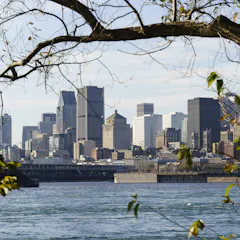
Urban green spaces should be better managed to provide places too cool off for the most underserved communities.

Cities seeking to create greener, more liveable neighbourhoods can revitalise disused spaces in various ways. Encouraging and supporting communities is key.
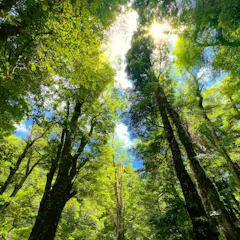
Soil erosion, water pollution, waste production and the loss of biodiversity are among multiple pressures degrading New Zealand’s environment.
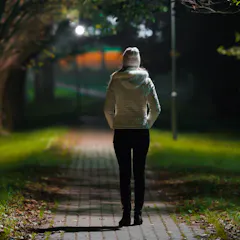
How designing better parks can help gender equality.

Have you heard of the 3+30+300 rule for urban forestry? See how Melbourne and Sydney compare to New York, Denver, Seattle, Buenos Aires, Amsterdam and Singapore on trees, canopy and park proximity.
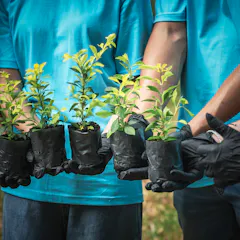
Interviews with tree experts reveal that while half of them supported the Miyawake method, especially in specific urban areas, concerns remained about tree mortality and high costs.
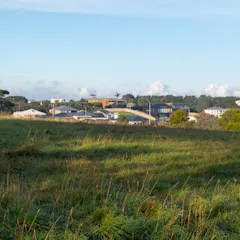
The tangle of greenery along railway lines, flowers growing on vacant lots, or unmown grassy patches under power lines, it turns out people in cities engage with nature in all these spaces.
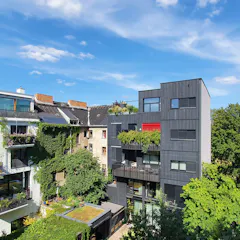
The majority of 25 surveyed developments around New Zealand lacked healthy, ecologically meaningful vegetation. Applying biodiversity targets for medium-density housing could turn this around.

Protect wildlife to promote better mental health.

Incorporating nature via biophilic design has interested architects and landscape architects for a long time, but its benefits for neurodiversity are not very well-known.
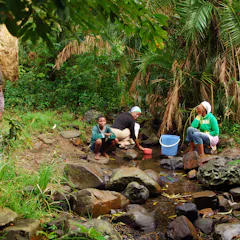
Experiencing nature helps people in times of joy and pain. However, inequity of access to green spaces means that South Africans cannot enjoy nature when they need to.
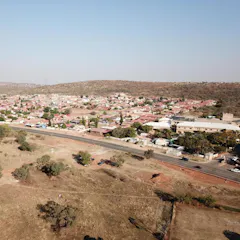
South Africa needs to integrate urban green spaces as part of valuable infrastructure and provide framework for their sustainability.
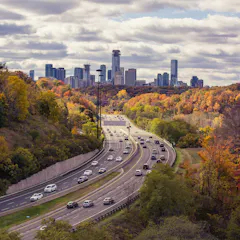
We cannot think of nature as something set aside in wildernesses, far from human activity. We need to conserve some elements of nature everywhere, including in the cities we live in.
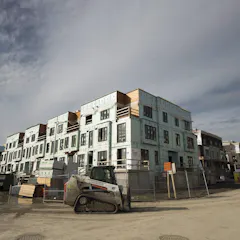
Poorly regulated housing is leading to more greenhouse gas emissions through energy loss, increased energy requirements and greater exposure to weather extremes.
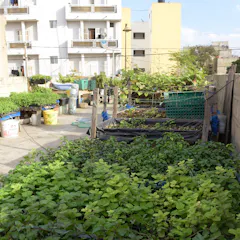
Green spaces have the potential to reduce heat and improve health, especially in urban areas.

Well-designed residential developments with abundant tree cover can help protect cities against urban heat and flooding.
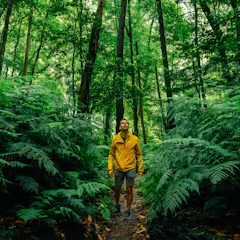
People wouldn’t last long without the countless other species we depend on for survival.

Green spaces can be used as non-coercive modes of warfare to further social cohesion and diminish the likelihood of insurgency.
Top contributors
-

Professor, Urban Ecology and Biodiversity, The University of Melbourne; RMIT University
-
Associate Professor of Environmental Anthropology, Rhodes University
-
Lecturer in Landscape Architecture, The University of Melbourne
-
Researcher Associate, Centre for Urban Research, RMIT University
-
Associate Professor & ARC Industry Fellow, Urban Ecology, Curtin University
-
Vice-Chancellor's Research Fellow, Centre for Urban Research, RMIT University
-
Associate Professor in Urban Ecology and Urban Horticulture, The University of Melbourne
-
Associate Professor, School of Planning, University of Waterloo
-
Researcher and lecturer in Spatial Data Science, University of Canterbury
-
Head of Environmental Vulnerability and Ecosystem Services, Institute for Environment and Human Security (UNU-EHS), United Nations University
-
Professor of Sociology, Rhodes University
-
Associate Professor. Deputy Director TeEACH Research Centre, Western Sydney University
-
professeur en sylviculture et en foresterie urbaine, Université Laval
-
Professor in Environmental & Landscape Planning, University of Manchester
-
Postdoctoral fellow, University of Pretoria