
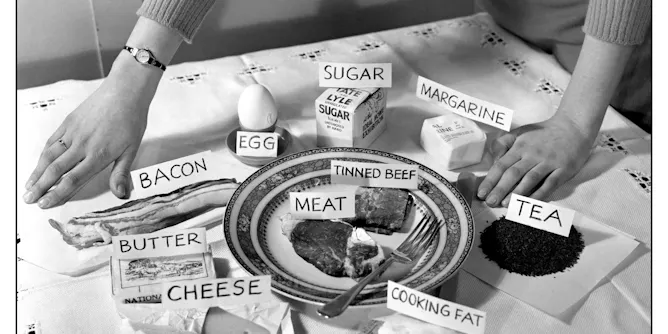
Britain’s postwar sugar rationing was an accidental experiment. Decades on, it’s revealing how early diet shapes cancer risk, ageing and eating habits for life.
Articles on UK Biobank
Displaying all articles

An oncologist answers the key questions about the new sitting-and-cancer study, and what its findings do and don’t show.

Stop trying to protect health data. Start controlling how it’s used.

Environmental factors such as lifestyle and the medications you take influence the effects your genes have on your body − and can clarify how diseases develop.

Do you tend to exercise mainly on the weekends? A new study finds this could offer equivalent benefits for brain health and mental health as staying active throughout the week.

Artificial intelligence helped identify the blood proteins that are the best predictors of dementia.
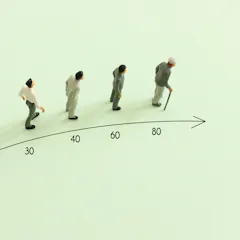
Why we should all try to be biologically younger.

New research explores the health potential of brief bursts of activity – and how wearables combined with machine learning can reveal health benefits of unexplored aspects of our everyday lives.

Too busy to exercise during the week? The good news is that getting moving on the weekend appears to be similarly good for your heart health.

New study looks at the benefit of ‘weekend-warrior’ pattern of exercise.

Biobanks collect and store large amounts of data that researchers use to conduct a wide range of studies. Making sure participants understand what they’re getting into can help build trust in science.
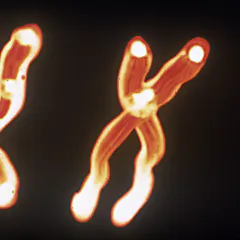
The negative health effects of Y chromosome loss could be one potential reason women tend to live longer than men.

The real message is how old you are when you first have sex and have your first child is controlled by a little bit of nature and a lot of nurture.

A US judge has allowed police access to the major DNA database without users’ consent (including Australian users). It’s a timely reminder that we urgently need genetic privacy legislation.

Discovery of genetic overlap between chronic pain and a host of other conditions could help provide better treatments.

Researchers find 351 genetic variants associated with a person’s chronotype. Before this study, we knew of only 24.

Discovering a genetic basis for erectile dysfunction that is linked to Type-2 diabetes will make it easier to identify those at risk – and novel treatments.

Technologies for accessing information need to be somehow future-proofed.

Pedal to the office and your risk of an early death drop by over 40%.
Top contributors
-

Associate Professor of Digital Health, Monash University
-
Professor of Physical Activity, Lifestyle, and Population Health, University of Sydney
-
Professor of Biomedical Sciences, Anglia Ruskin University
-
Professor, University of Manchester
-
Associate professor in Cardiology, University of Leeds
-
Karolinska Institutet
-
Professor and Associate Dean (Research), University of Auckland, Waipapa Taumata Rau
-
Jenny Graves is a Friend of The Conversation.
Distinguished Professor of Genetics and Vice Chancellor's Fellow, La Trobe University
-
Professor of Internal Medicine, University of Virginia
-
Lecturer in Genomic Medicine, University of Exeter
-
Research Fellow, University of Exeter
-
Research Fellow & Biostatistician, University of Sydney
-
Ethical, Legal & Social Adviser in Public Health Genomics, Monash University
-
Researcher Institute of Health and Well-being, University of Glasgow
-
Assistant Professor of Sociology and Data Science, Purdue University