
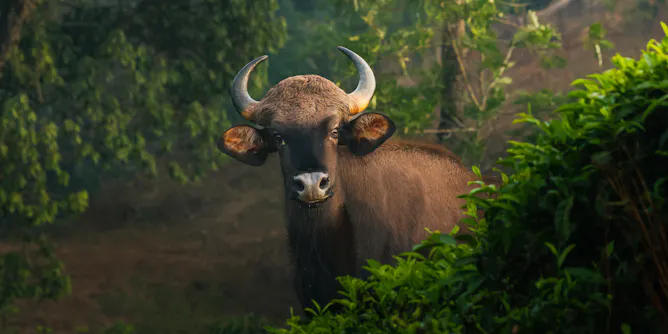
The consequences of not freezing the cells of key species could be their extinction.
Articles on Biobanks
Displaying all articles
By understanding a patient’s unique genetic profile, biomarker readings and lifestyle information, doctors could tailor the most effective and safest treatments for that individual.
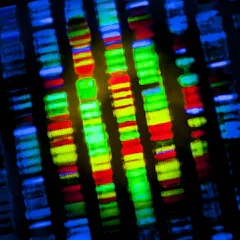
Genomic research stands to help develop new medical treatments – and we need donations of lots of data for this to work. But people don’t want data on their genes to be exploited for profit.
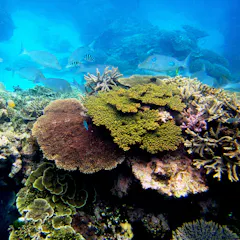
Just as the world’s zoos breed critically endangered animals in captivity to repopulate the wild, scientists are building a global effort to freeze corals for reef restoration.

Too busy to exercise during the week? The good news is that getting moving on the weekend appears to be similarly good for your heart health.

Biobanks collect and store large amounts of data that researchers use to conduct a wide range of studies. Making sure participants understand what they’re getting into can help build trust in science.
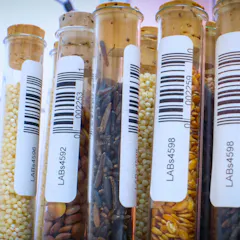
The research conducted through biobanks can help to address challenges like climate change and food security.
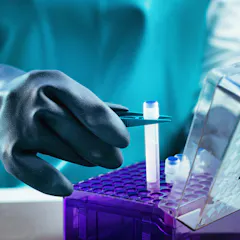
Most biobanks, whether small or large, have high quality assurance and control measures in place.

There are several projects and initiatives that offer hope amid all the bad news about African science.

Technologies for accessing information need to be somehow future-proofed.

Project Baseline opens up new opportunities in health care, both for the researchers working with big data and for consumers who want more sophisticated ways to track their health.
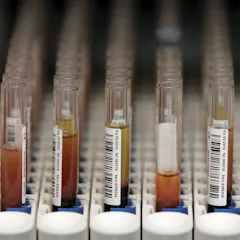
How much privacy are we willing to give up in the name of cutting-edge science? And do we care about the kinds of research that will be done with our donations?
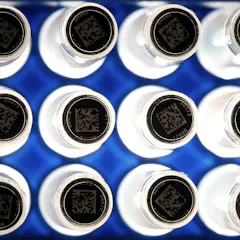
South Africa has no legislation setting out the rules for biobanks and the guidelines that do exist are not clear or detailed. This leaves the door wide open for unethical practises.
Top contributors
-

Director South African National Bioinformatics Institute, University of the Western Cape
-
Professor, University of Manchester
-
Principal Medical Scientist within the Division of Haematopathology, Stellenbosch University
-
Director of the Steve Biko Centre for Bioethics and Adjunct Professor and Head of Department of Bioethics at the Faculty of Health Sciences, University of the Witwatersrand
-
PhD Candidate, Steve Biko Centre for Bioethics, Faculty of Health Sciences, University of the Witwatersrand
-
Postdoctoral researcher in Metagenomics, University of the Western Cape
-
Chair Professor, Michigan State University
-
Professor Emeritus, Center for Bioethics and Social Sciences in Medicine, University of Michigan
-
Director, Collections Management, South African National Biodiversity Institute
-
Research Fellow & Biostatistician, University of Sydney
-
Professor of Physical Activity, Lifestyle, and Population Health, University of Sydney
-
Lecturer in Psychology, Swinburne University of Technology
-
Associate Professor of Digital Health, Monash University
-
Assistant Professor of Sociology and Data Science, Purdue University
-
Research Scientist, Smithsonian Institution