
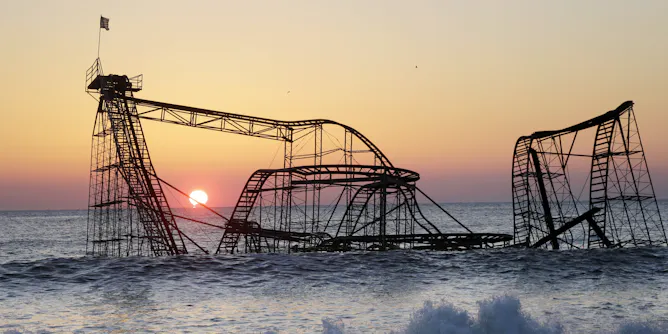
As the rich move away from disaster-prone areas, the poor may be left behind.
Articles on Tsunami
Displaying 61 - 80 of 102 articles
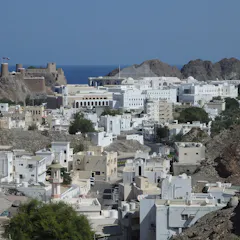
A new study suggests the enigmatic Makran region could see a magnitude 9 earthquake.
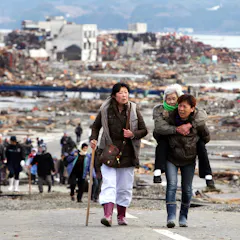
Disaster preparations often focus on gear and logistics, but research in Japan after the 2011 earthquake and tsunami shows that strong social ties played a key role in helping communities rebound.
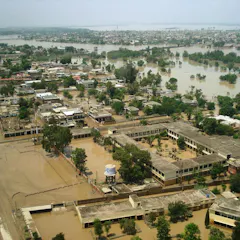
Wetlands management is vital but sweeping statements about their universal value may do more harm than good.
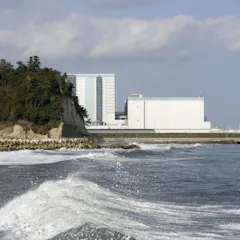
The latest earthquake off Japan’s east coast was an ominous reminder of the 2011 Fukushima disaster. But despite a technical hitch at one of Fukushima’s other reactors, there was no repeat this time.
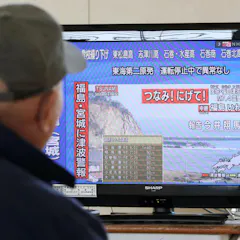
Japan’s response to a tsunami threat following major earthquake shows it has learned much from past events, including the deadly quake and tsunami that disabled the Fukushima nuclear power plant.
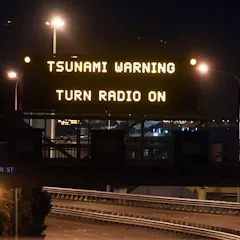
The threat of any tsunami following an earthquake can take time to assess, so it’s important people who live in risk zones are ready for any event.
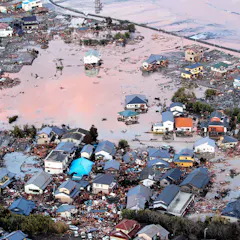
We can’t predict or prevent tsunamis you can improve your chances of staying safe by understanding the risk, being prepared and acting quickly when disaster strikes.
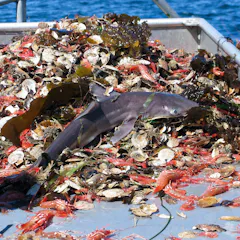
Large-scale natural experiments such as oil spills, tsunamis and climate change are things you wouldn’t want to do on purpose. But that doesn’t mean they’re not scientifically useful experiments too.
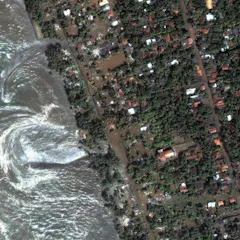
Australia is surrounded by ocean, so is not immune to the effects of tsunamis. But how significant is the risk?
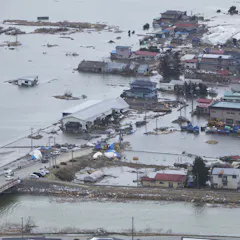
Reliably predicting whether a tsunami is large enough to require evacuations requires many more observations from the deep ocean than we now have.
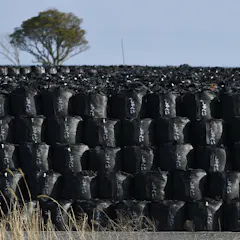
The nuclear operator was nowhere near adequately covered for the disaster. And it’s not just a Japanese problem.
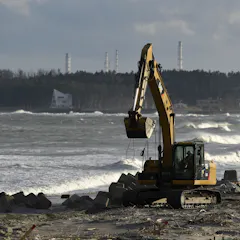
Scientists are setting Japan on the road to recovery, using data to protect against future disasters.

The 2011 Japan tsunami illustrates how more marine creatures are crossing the oceans than ever before - and not all of them are friendly travellers.
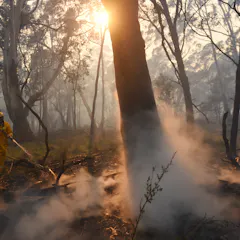
Are you at risk from natural disasters? Research shows media reports could actually reduce people’s perceptions of risk.
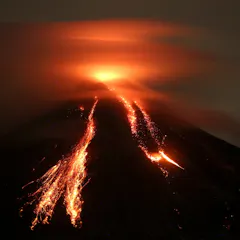
Our planet is a hugely dynamic place – and the clock is ticking down to the next superdisaster.
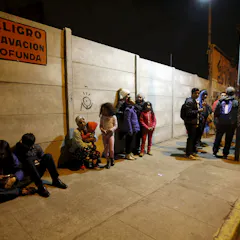
Earthquake monitoring can now detect a quake and warn people before it arrives.
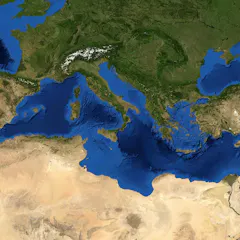
The sea straddles two tectonic plates and is lined by large towns and cities. We need to take the tsunami threat seriously.

Politics in Nepal will hinder relief and recovery efforts following the earthquake and its aftershocks. But look at it the other way around. Could the disaster help to resolve political problems?
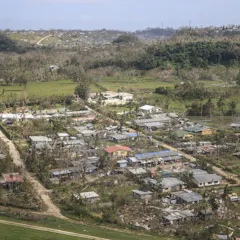
Natural disasters are becoming more frequent, with more people with less money exposed to a greater number of hazards.
Top contributors
-

Honorary Professor of Tsunami Research, PANGEA Research Centre, UNSW Australia, UNSW
-
Adjunct Research Fellow, Curtin University
-
Associate Professor in Coastal and Marine Science, University of Newcastle
-
Reader in Coastal Engineering, University of East London
-
Reader in Physical Geography and Natural Hazards, Coventry University
-
PhD, University of Newcastle
-
Honorary Professor of Hazards and Disaster Risk Sciences, University of Sydney
-
Professor of Earth Sciences, University of Auckland, Waipapa Taumata Rau
-
Senior Scientist in Disaster and Climate Risk at Earth Sciences NZ & Senior Research Fellow (adjunct), Humanitarian Emergency and Disaster Management, Charles Darwin University
-
Professor, School of Geography, Environment and Earth Sciences, Te Herenga Waka — Victoria University of Wellington
-
Associate Professor, International Research Institute of Disaster Science, Tohoku University
-
Professor and Deputy Vice-Chancellor (Research), University of Sydney
-
Professor of Philosophy, University of Pretoria
-
Postdoctoral research associate, University of Edinburgh
-
Lecturer in Global Health, UCL