
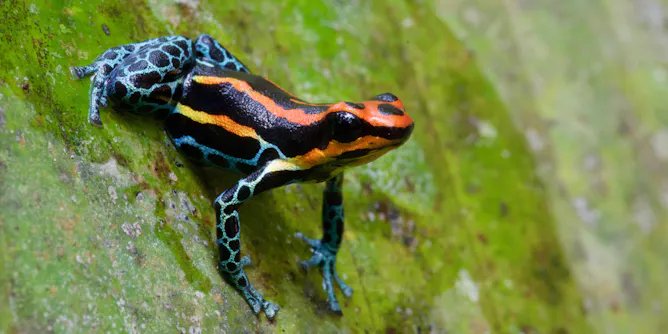
New research looks at how different species have managed to cross geographic barriers throughout history and whether their individual traits played a crucial role in these journeys.
Articles on Tsunami
Displaying 21 - 40 of 102 articles
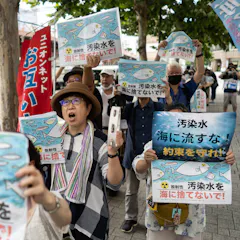
Japan’s much-criticised plan to release wastewater from Fukushima into the Pacific is underway – and many are concerned.

Images of the 2011 tsunami did not look as I had expected, and pointed to the sublime, when experience exceeds our frameworks of understanding. My exhibit ‘Salients’ treats this theme.

The Hunga Tonga-Hunga Ha'apai volcano set new benchmarks for volcanic phenomena and efforts are under way to identify other submarine volcanoes around the world that could pose similar threats.
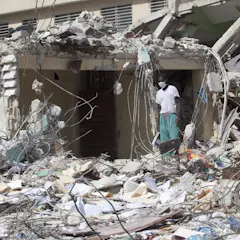
The unique skills of Canadian health-care workers with international disaster experience could be a valuable resource during domestic emergencies.
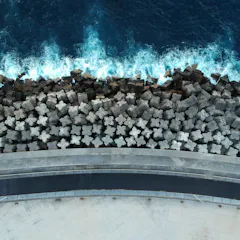
New breakwater designs and more sustainable materials can cut the carbon cost of coastal defences by 40%.
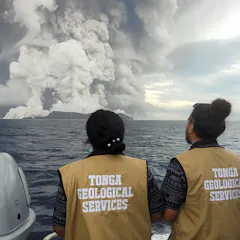
In 1983, a Canadian group helped rebuild traditional cooking houses in Tonga in the aftermath of a devastating cyclone. The Tonga Kitchens project offers lessons for Canadian aid today.
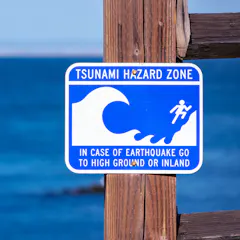
We can’t prevent natural disasters from happening, but we can be better prepared for when they do.
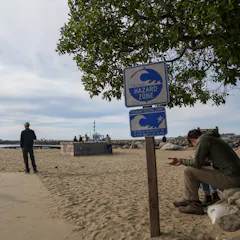
Tsunamis can be generated by underwater volcanic explosions thousands of miles away. The Jan. 15 explosion in Tonga resulted in tsunami advisories for British Columbia and all along the U.S. west coast.
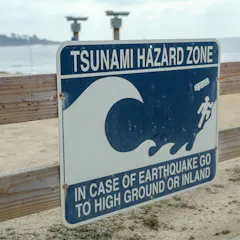
Tsunamis aren’t just bigger-than-average waves. Triggered by undersea earthquakes or volcanic eruptions like the one in Tonga, they are fast, massive and potentially destructive. Here’s why.
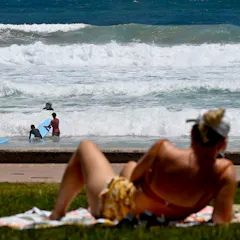
Australians tend to be fairly relaxed about the tsunami risk. But warnings from authorities to stay away from foreshore areas should not be ignored.

People tell tales to explain what they see – centuries later, scientists try to map handed-down myths onto real geological events.
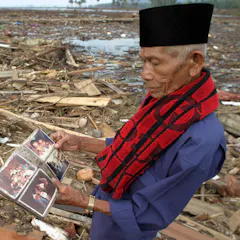
In the immediate aftermath of an event like the 2004 Indian Ocean tsunami, the path forward is not always clear. Looking backward, what have we learned?
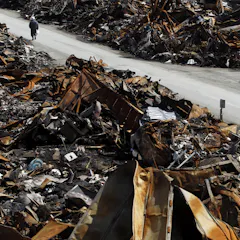
Japan has a long experience of hazards and disasters. Yet it does not seem like all lessons have been applied when it comes to COVID.
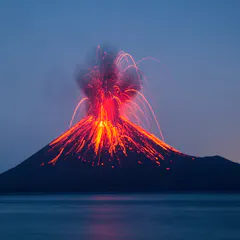
Indonesia has a warning system for tsunamis generated by earthquakes – but not volcanoes.
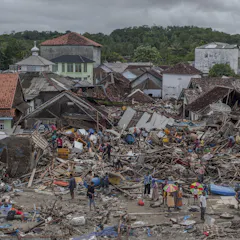
Massive landslides can trigger destructive and deadly tsunamis, and climate change could make them worse.

Eco-fiction to help you rethink your role in the climate crisis.
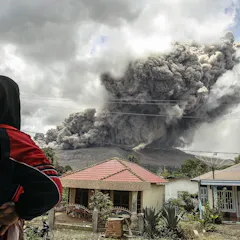
What is political will or political commitment to disaster risk reduction? Why is it important to measure political commitment? And how to measure it?
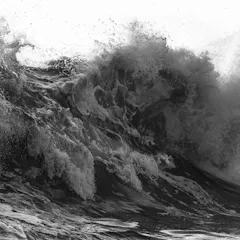
A tricky kind of earthquake that happens in the soft rock of the ocean floor causes much larger tsunamis than their magnitude would predict. New research pinpoints a way to identify the danger fast.
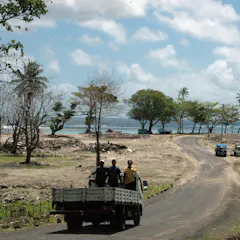
A devastating quake and tsunami in the Pacific Ocean prompted a new kind of post-disaster research. Ten years on, we need these lessons to prepare for a precarious future.
Top contributors
-

Honorary Professor of Tsunami Research, PANGEA Research Centre, UNSW Australia, UNSW
-
Adjunct Research Fellow, Curtin University
-
Associate Professor in Coastal and Marine Science, University of Newcastle
-
Reader in Coastal Engineering, University of East London
-
Reader in Physical Geography and Natural Hazards, Coventry University
-
PhD, University of Newcastle
-
Honorary Professor of Hazards and Disaster Risk Sciences, University of Sydney
-
Professor of Earth Sciences, University of Auckland, Waipapa Taumata Rau
-
Senior Scientist in Disaster and Climate Risk at Earth Sciences NZ & Senior Research Fellow (adjunct), Humanitarian Emergency and Disaster Management, Charles Darwin University
-
Professor, School of Geography, Environment and Earth Sciences, Te Herenga Waka — Victoria University of Wellington
-
Associate Professor, International Research Institute of Disaster Science, Tohoku University
-
Professor and Deputy Vice-Chancellor (Research), University of Sydney
-
Professor of Philosophy, University of Pretoria
-
Postdoctoral research associate, University of Edinburgh
-
Lecturer in Global Health, UCL