

International career mobility can give people valuable knowledge and expertise to be used in their home country.
Articles on Textiles
Displaying 41 - 60 of 74 articles

Polylactic acid – a popular bioplastic – does not readily break down when released into the ocean, and could disrupt marine ecosystems
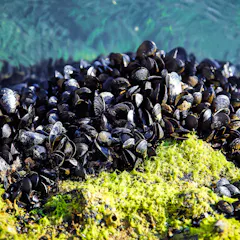
A study shows that exposure to polyester microfibres inhibits growth in mussels.
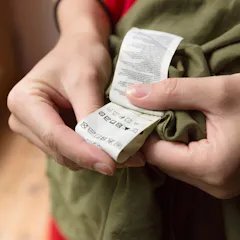
By understanding clothing care labels, you can extend the lifespan of your clothes.
The barriers and benefits to reviving the UK textile industry.
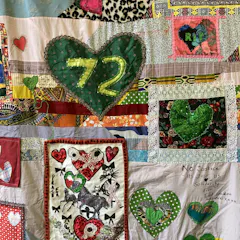
What started out as an instinctive and private response to trauma has become a collective process of grieving and commemoration.

Together with higher cotton production, nanotextile products can boost Nigeria’s textile industry and the economy.

Tests found PFAS in school uniforms, pillows, upholstered furniture and several other items that are often next to children’s skin and near their noses and mouths.
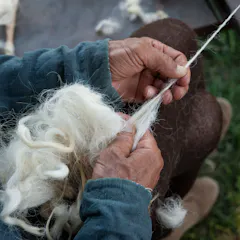
From fibre to fabric. The process of making textiles has been important to humans for almost 35,000 years.
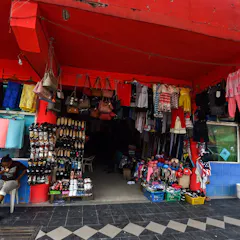
Nigeria and China should work more on the relationship between their citizens so that the two countries can continue to have good bilateral relations.
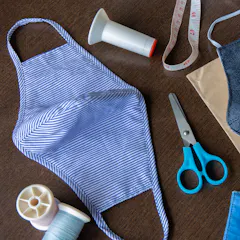
Some designers, makers and consumers are imploring us not to stop sewing after the pandemic because of the potential for utilitarian, psychological and environmental benefits.
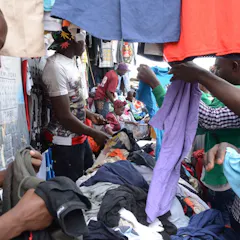
There are significant economic and social pull factors behind the popularity of used clothing.

Eight artists use textiles to investigate history, self and place in a new exhibition that draws on rich histories, but could use more contextual information in its presentation.
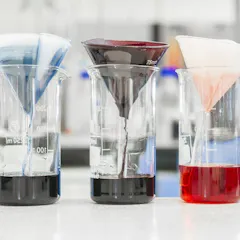
Science is helping turn textiles into a cleaner greener industry.
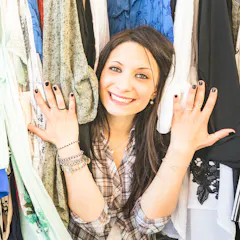
Making more sustainable fashion choices doesn’t require a massive lifestyle change.

Knoll is best known for transforming the design of America’s corporate offices. But she was also on the front lines of a State Department effort to promote American ingenuity and capitalism abroad.
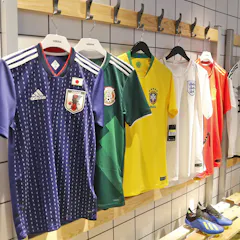
World Cup jerseys have to please players, national officials, FIFA rulemakers and – perhaps most importantly – fans who buy them to show support for their teams.

Basket weaving and knitting are used pejoratively to make a point but not ‘manly’ pursuits such as metalcrafts or woodwork.

This speed read explores why it’s hard to stop manufacturers in specific countries from dodging trade barriers by pretending that their goods come from somewhere else.

That pre-sleep herbal tea may be doing many people a lot of good.
Top contributors
-

Associate Professor, Fashion and Textiles, RMIT University
-
Senior Lecturer and Program Manager, Bachelor of Fashion (Enterprise) program, RMIT University
-
Associate Professor and Program Manager, Master of Fashion (Entrepreneurship), RMIT University
-
Senior Lecturer in Fashion & Textiles, RMIT University
-
PhD Researcher, Art Market, Nottingham Trent University
-
Lecturer in Textile and Fashion Technology, University of Manchester
-
Director, Swinburne-CSIRO National Testlab for Composite Additive Manufacturing, Swinburne University of Technology
-
Deputy Co-ordinator, Journalism Program, Swinburne University of Technology
-
Doctoral Student, UMass Dartmouth
-
Professor of Art and Associate Dean, Research and Innovation, School of Art, RMIT University
-
Associate Professor of Graphic Design, University of Maryland, Baltimore County
-
Reader in Global Development and Political Economy, SOAS, University of London
-
Professor of Electrical and Computer Engineering, Tufts University
-
Professor of International Relations and International Development, Department of International Relations, University of Sussex
-
Assistant Professor of Electrical and Computer Engineering, The Ohio State University