
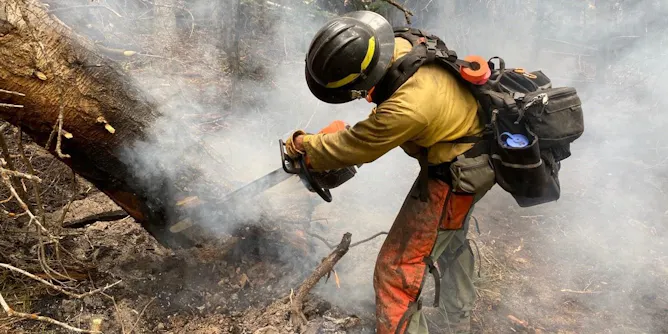
The risk to firefighters isn’t just from breathing wildfire smoke – it’s also in the chemicals that get on their clothes and filter through to their skin.
Articles on Fabric
Displaying 1 - 20 of 24 articles
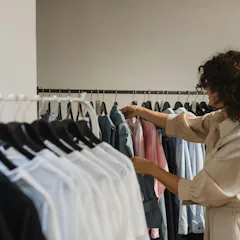
Brands can imply a product inherits the cultural value of silk – even when the fibre itself is fossil-fuel derived or heavily chemically processed.
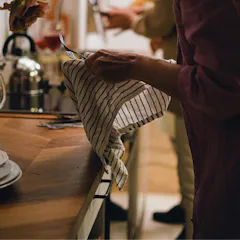
This might change how you think about all your household textiles.
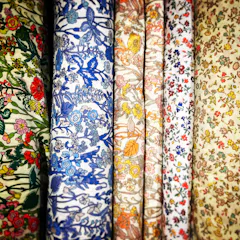
In 1875, Arthur Liberty established a fabric company at the forefront of the aesthetic movement, and within 20 years was a byword for the very best in avant-garde textile design.
Moths and chemical reactions are the enemies of natural fibre – but there are easy ways to keep your clothes safe.

You followed the instructions, but the garment still shrunk. Here’s why that can happen – and what to do about it.

And how should you store them in between wears?

Clothing made of cotton and linen is highly hydrophilic. It tends to absorb moisture and disperse it across the fabric, allowing it to evaporate more easily.
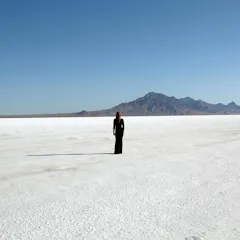
Sarah Nance uses geologic data and a variety of artistic media to help people think about their place in the landscapes they use and occupy.
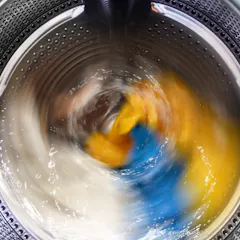
Your washing machine is polluting the ocean.
The production, use and end-of-life of clothing all have an impact on our health. But greater ecological awareness could turn the tide.

International career mobility can give people valuable knowledge and expertise to be used in their home country.

Maman Creppy was one of Togo’s original Nana Benzes who had created a powerful wax cloth empire.
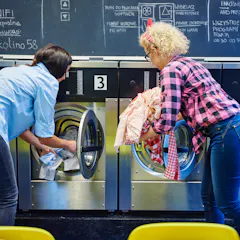
By washing our clothes, we release microfibres into the environment which are then ingested by marine animals.
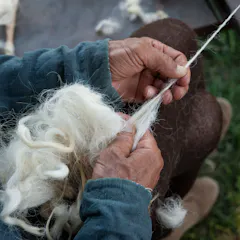
From fibre to fabric. The process of making textiles has been important to humans for almost 35,000 years.
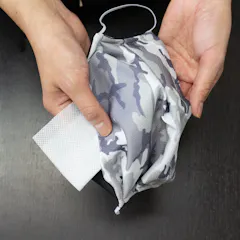
Everything you need to know about non-woven polypropylene, the fabric now recommended for use as a filter in cloth face masks: What it is, what to look for and where to find it.
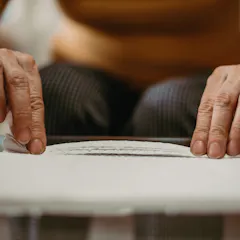
At-home mask makers should carefully consider fit and fabric variables when designing face coverings to help prevent transmission of SARS-CoV-2.
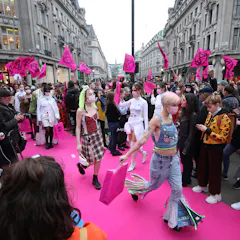
There is no solution to the unethical, unsustainable fashion industry – yet
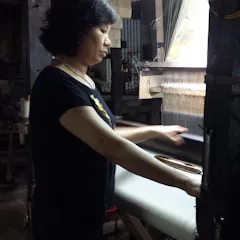
Many major luxury goods firms have long made place a key part of their identity, and a visit to a traditional silk-weaving centre in Vietnam shows that the approach could work for small firms too.
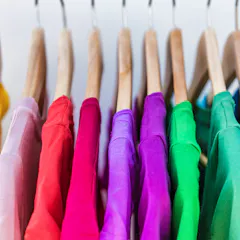
Consumers are only benefitting from cheap clothes at considerable cost to the environment and by exploitation of a poor, vulnerable garment workers.
Top contributors
-

Director, Swinburne-CSIRO National Testlab for Composite Additive Manufacturing, Swinburne University of Technology
-
Senior Lecturer in Fashion & Textiles, RMIT University
-
Lecturer in Art History , University of Sydney
-
Professor Emerita of Design, University of Minnesota
-
Associate Research Fellow, Deakin University
-
Professor of Medicine, Epidemiologist, Physician, McMaster University
-
Research Fellow, Center for Cultural and African Studies, Kwame Nkrumah University of Science and Technology (KNUST)
-
PhD Student, Chemical Engineering, McMaster University
-
Manager - Circular Economy Initatives and ANFF-Deakin Hub, Deakin University
-
Senior Lecturer in Marketing, University of Bath
-
Professor Emerita of Biological Sciences, Rutgers University - Newark
-
Professor, Head of Sustainable Consumption and Clothing Sustainability research groups, Nottingham Trent University
-
Professor in Environmental Microbiology, Edinburgh Napier University
-
Lecturer in Sustainablity, Fashion and Retail, University of Leeds
-
Research Associate: Marine Pollution / Ecotoxicology / Microplastics, University of Glasgow