
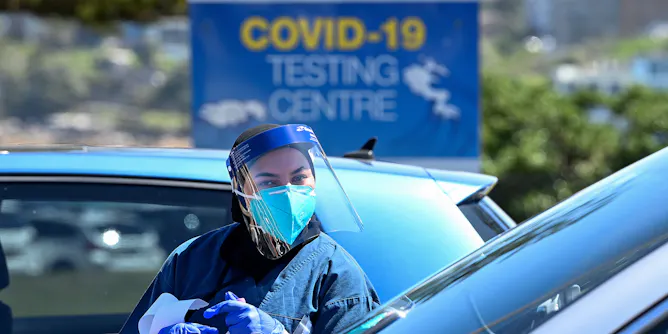
Infection seems to add a boost to immunity – but vaccination is still vital and breakthrough infections should be avoided as much as possible.
Articles on T cells
Displaying 21 - 40 of 56 articles
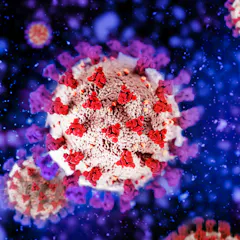
Some of the omicron variant’s unique properties – such as its ability to spread rapidly while causing milder COVID-19 infections – could usher in a new phase of the pandemic.
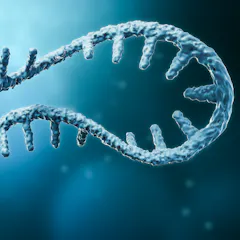
DNA and mRNA vaccines produce a different kind of immune response than traditional vaccines, allowing researchers to tackle some previously unsolvable problems in medicine.
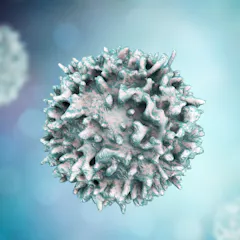
Having a range of immune cells that target different parts of the virus appears to make disease milder and could protect against future variants.
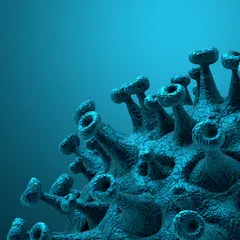
We won’t know whether Omicron evades COVID vaccines for another few weeks. Here’s why.
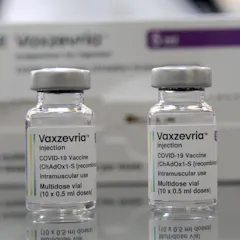
There’s not enough evidence yet to support the AstraZeneca CEO’s statement. But it is theoretically plausible.
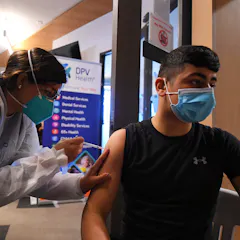
But the immune cells that vaccination spurs do last a long time.
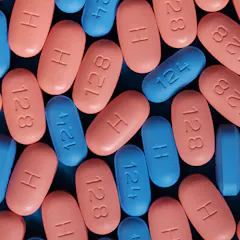
People with HIV need to take daily medication to keep the virus at bay. A study has found that a new treatment combination could boost immunity and control virus levels even after stopping medication.
It’s unclear whether the patients were already predisposed to these diseases, or the infection unmasked a process that had already begun. Or perhaps the infection triggered a completely new illness.

People with weakened immune systems are at a high risk of severe and prolonged COVID-19 infections. An extra vaccine dose can bolster protection.

If you’ve already had the coronavirus and recovered, you might be tempted to give the vaccine a pass. A scientist explains why the shot offers the best protection against future infection.
Our study found lower levels of one type of immune cell – which may even be seen years before a person develops the disease.

Until now, researchers haven’t quite known why the immune systems of breastfed babies are better equipped.
Long-term protection will depend on the ‘memory response’ developed by our immune systems – and the initial signs are promising.
Antibody levels naturally fade – the key question is whether infected people sustain adequate levels of T cells and B cells.
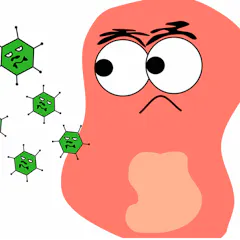
Vaccines work by teaching your immune system about new viruses. Your immune cells are very clever – they will remember what they learnt, and protect you if you encounter that virus in the future.
Older coronavirus patients face grimmer outlooks. A virologist explains the aging-related changes in how immune systems work that are to blame.
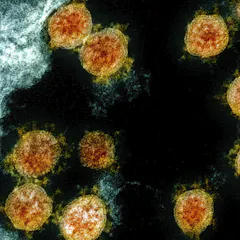
This is just one person. Is he the exception? Is he the rule? We don’t know yet for sure. But reinfection is definitely possible.

Some people’s blood can mount an immune response against SARS-CoV-2, even if those blood samples were taken from before the COVID-19 pandemic started.
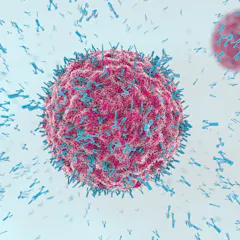
It’s hard to discuss COVID without referring to white blood cells. Here is a primer on the two you need to know about.
Top contributors
-

Professor in Immunology, University of Manchester
-
Professor of Pathology, Microbiology and Immunology, University of South Carolina
-
Professor of Pathology, Microbiology and Immunology, University of South Carolina
-
Senior Lecturer; MD, Victoria University
-
Associate Professor of Immunology and Microbiology, University of Colorado Anschutz
-
Distinguished Professor, Professor of Immunology, RMIT University
-
Professor of Immunology, RMIT University
-
Lecturer in Immunology, University of Essex
-
Professor of Immunopharmacology, Queen Mary University of London
-
Professor of Immunology, University of Connecticut
-
Assistant Professor of Biological Sciences, University of North Carolina – Charlotte
-
MD-Ph.D. Candidate in Molecular Pathology and Immunology, Vanderbilt University
-
Professor of Immunology and Director, Institute of Immunology and Immunotherapy, University of Birmingham
-
Professor of Neurology, University of California, San Francisco
-
Postdoctoral research scientist, Columbia University