

A strong immune response doesn’t necessarily mean better protection from infection. The type and timing of immune attacks matter, too.
Articles on Immune cells
Displaying 1 - 20 of 38 articles

Cells called macrophages can devour living cancer cells – and may hold the key for successful treatment.

It’s estimated that 10% of women worldwide are affected by endometriosis.

Your immune systems kicks into gear when you’re injured, both worsening and relieving pain.

As little as 30 grams of kimchi per day may lead to beneficial immune system changes.
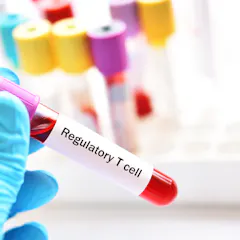
Researchers are gaining insights into how external factors like air pollutants, diet and medications, and even microbes in the gut interact with regulatory T cells, for better or for worse.
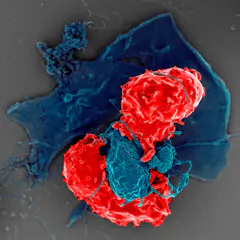
Regulatory T cells help your immune system distinguish between ‘self’ and ‘nonself’ – and can open doors to better treatments for cancer, autoimmune disease and transplant rejection.

The discovery of cells that prevent the immune system from hurting the body is paving the way for new treatments for autoimmune diseases and cancer.

A recent study has found women aged 40-54 had the greatest risk of developing long COVID.

Asthma attacks can result from immune cells overreacting to a harmless allergen. Tamping down iron levels in certain immune cells can help control their activity.
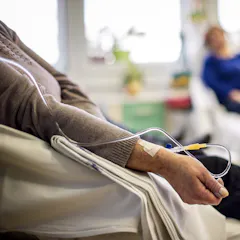
Treatment for lung cancer patients is the same for everyone, regardless of the risk of recurrence. The use of a new technology could refine diagnosis.
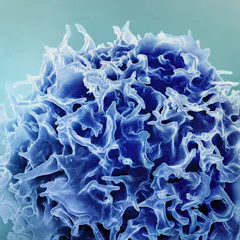
Dietary supplements claim to be able to ‘boost your immune system’ to combat disease. But attaining immune balance through a healthy lifestyle and vaccination is a safer bet to keep in good health.
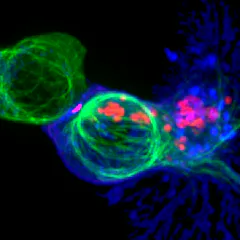
T cells recognize and kill cancer cells but quickly lose their effectiveness. This fast dysfunction may help explain why immunotherapy doesn’t lead to long-term remission for many patients.
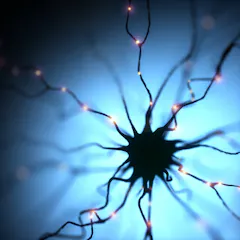
Seizures are like sudden electrical storms in the brain that can cause lasting damage. A set of immune cells in the brain called microglia may provide protection.
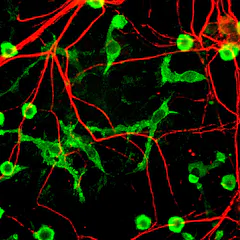
Microglia, immune cells disguised as brain cells, are known as the janitors of the brain. Dialing up their usual duties just enough could provide an avenue to treat neurodegenerative disease.

Inflammation is a complicated and important part of how the immune system responds to threats to the body. But when the inflammatory response goes awry, it can lead to serious problems.

Evidence is growing there are changes to your immune system that may put you at risk of other infectious diseases.
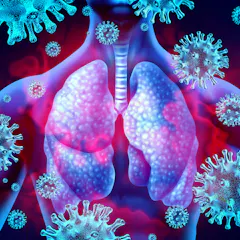
While a strong immune response is essential to fight against viral infection, an immune system that continues to stay active long after the virus has been cleared can lead to lung damage.
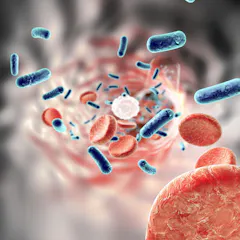
Sepsis onset can be difficult to recognize, in part because its symptoms can mimic those of many other conditions. A treatment delay of even a few hours can make the difference between life and death.
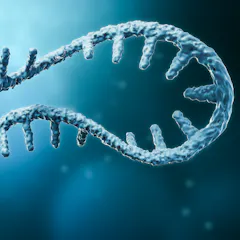
DNA and mRNA vaccines produce a different kind of immune response than traditional vaccines, allowing researchers to tackle some previously unsolvable problems in medicine.
Top contributors
-

Professor of Pathology, Microbiology and Immunology, University of South Carolina
-
Associate Professor of Immunology and Microbiology, University of Colorado Anschutz
-
Professor of Pathology, Microbiology and Immunology, University of South Carolina
-
Lecturer, Biochemistry & Immunology, Swansea University
-
Professor of Medicine, University of North Carolina at Chapel Hill
-
Senior Associate, Strategic Alliances, Adelaide University
-
Post-doctoral researcher in Stem Cell biology and Human Nutrition, The University of Western Australia
-
Associate Professor and Research Leader in Virology and Infectious Disease, Griffith University
-
Professor of Experimental Medicine, University of Southampton
-
Associate Professor of Medical Education, University of Nottingham; University of Lincoln
-
CRUK Senior Lecturer Head and Neck Surgery, University of Southampton
-
Immunology researcher, Monash University
-
MD-Ph.D. Candidate in Molecular Pathology and Immunology, Vanderbilt University
-
Ph.D. Candidate in Pharmacology, University of Virginia
-
Postdoctoral Associate in Biomedical Sciences, Cornell University