

A strong immune response doesn’t necessarily mean better protection from infection. The type and timing of immune attacks matter, too.
Articles on Immunology
Displaying 1 - 20 of 123 articles

Heat stroke doesn’t just overheat the body. It unleashes an inflammatory chain reaction that can damage organs even after the temperature returns to normal.
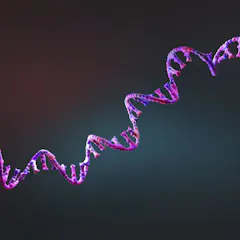
From COVID-19 vaccines to Moderna’s mRNA flu vaccine, using mRNA as medicine has shown promise. But before mRNA drugs can go beyond vaccines, researchers need to identify the right diseases to treat.
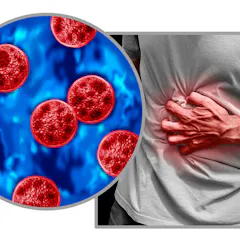
Explosive diarrhea has been spreading across the US, and the parasite that causes the disease has already sickened thousands – and counting.

CAR-T therapy engineers a patient’s own immune cells to fight cancer. Making these cels more resilient can make treatments more effective.
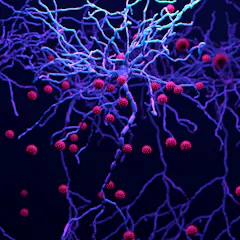
Immune cells can carry HIV into the brain, leading to problems with memory and cognition. Blocking other immune cells from the brain can make matters worse.
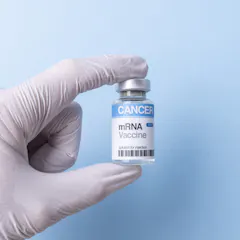
False claims that COVID-19 mRNA vaccines cause cancer could, ironically, lead to worse cancer outcomes by undermining a promising tool to prevent and treat it.
A rare clotting disorder puzzled doctors during the COVID vaccine rollout. New research reveals the unlikely chain of events that causes it.

A nasal spray vaccine that puts your immune system on permanent high alert – and could one day protect against flu, COVID and future pandemics.

Your immune systems kicks into gear when you’re injured, both worsening and relieving pain.

The key players of our immune system aren’t well understood. Here’s how vaccines give our immune players a home advantage to fight infection.
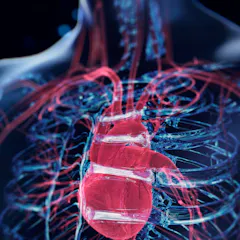
Approaching heart failure like an autoimmune condition could offer new ways to improve patient survival.

The researchers found that mRNA-based COVID-19 vaccines could potentially help patients whose tumors don’t respond well to traditional immunotherapy.

Researchers are gaining insights into how external factors like air pollutants, diet and medications, and even microbes in the gut interact with regulatory T cells, for better or for worse.
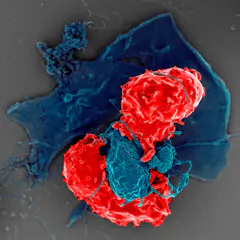
Regulatory T cells help your immune system distinguish between ‘self’ and ‘nonself’ – and can open doors to better treatments for cancer, autoimmune disease and transplant rejection.
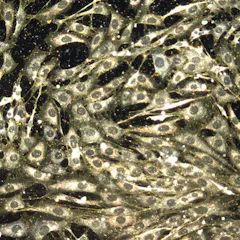
As it does with other pathogens, your immune system sees drugs as foreign invaders to be expelled from your body. But exploiting this process could reduce the side effects of chemotherapy.

Some studies indicate children with pets may be less likely to have allergies. But the evidence can be tricky to interpret.
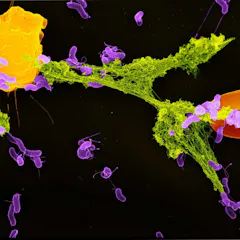
Not only do mitochondria serve as the engine of the cell – they also act as watchtowers for the immune system.
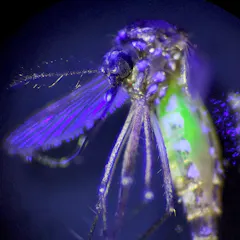
The virus that causes eastern equine encephalitis, or EEE, has evolved to infect mosquitoes. To be able to spread between people, however, it faces extra challenges.
Researchers developed a new mouse model that replicates long COVID-19 more accurately than current models. Their findings could lead to new treatments.
Top contributors
-

Professor, School of Biomedical Sciences and Pharmacy, University of Newcastle
-
Research Fellow, Institute for Molecular Bioscience, The University of Queensland
-
Program Director, Infectious Diseases and Immunology, Menzies Health Institute, Griffith University
-
Instructor of Human Immunology, Emory University
-
Associate Professor of Immunology and Microbiology, University of Colorado Anschutz
-
Distinguished Professor, Professor of Immunology, RMIT University
-
Ph.D. Student in Microbiology and Immunology, Vanderbilt Vaccine Center, Vanderbilt University
-
Clinical Research Fellow in Viral Immunology and Veterinary Surgeon, University of Cambridge
-
Vice-Chancellor's Research Fellow, School of Health and Biomedical Sciences, RMIT University
-
Associate Professor of Microbiology, Immunology & Pathology, Colorado State University
-
Ph.D. Candidate in Chemical & Physical Biology, Vanderbilt Vaccine Center, Vanderbilt University
-
Professor of Immunology, RMIT University
-
Research Assistant Professor of Immunology, Tufts University
-
Associate Professor of Viral Immunology, Department of Pathobiology, University of Guelph
-
Laboratory Head, The Peter Doherty Institute for Infection and Immunity