
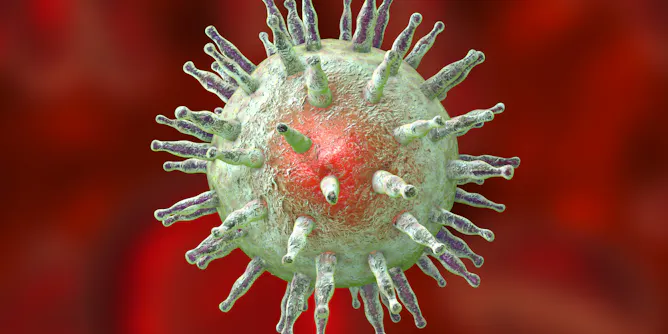
More than 90% of adults worldwide are already infected with the Epstein-Barr virus.
Articles on B cells
Displaying 1 - 20 of 22 articles
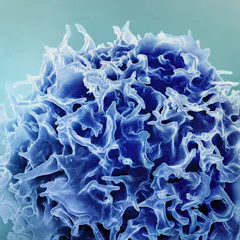
Dietary supplements claim to be able to ‘boost your immune system’ to combat disease. But attaining immune balance through a healthy lifestyle and vaccination is a safer bet to keep in good health.

Inflammation is a complicated and important part of how the immune system responds to threats to the body. But when the inflammatory response goes awry, it can lead to serious problems.

German doctors have reported success in treating patients with severe lupus, using cell treatments like those used for some forms of blood cancer.

Evidence is growing there are changes to your immune system that may put you at risk of other infectious diseases.
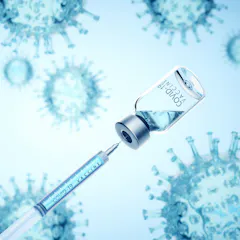
Research suggests that too-frequent immunizations may lead to a phenomenon called “immune exhaustion.”

Because COVID-19 is a relatively new virus, researchers still aren’t sure exactly how long vaccines and prior infections provide protection.
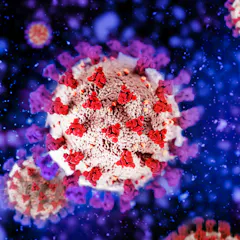
Some of the omicron variant’s unique properties – such as its ability to spread rapidly while causing milder COVID-19 infections – could usher in a new phase of the pandemic.
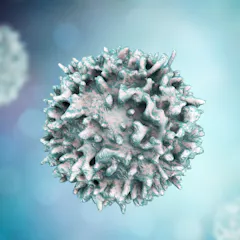
Having a range of immune cells that target different parts of the virus appears to make disease milder and could protect against future variants.
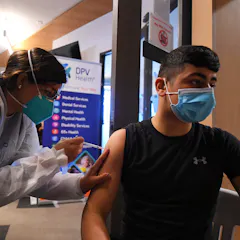
But the immune cells that vaccination spurs do last a long time.

It’s unclear whether the patients were already predisposed to these diseases, or the infection unmasked a process that had already begun. Or perhaps the infection triggered a completely new illness.

People with weakened immune systems are at a high risk of severe and prolonged COVID-19 infections. An extra vaccine dose can bolster protection.

Our study found lower levels of one type of immune cell – which may even be seen years before a person develops the disease.

We mapped the genes of B cells to better understand why some develop immunity and others don’t.

Long-term protection will depend on the ‘memory response’ developed by our immune systems – and the initial signs are promising.
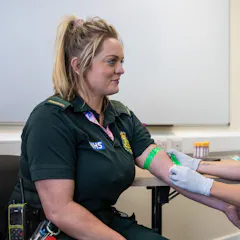
Antibody levels naturally fade – the key question is whether infected people sustain adequate levels of T cells and B cells.
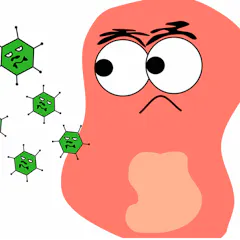
Vaccines work by teaching your immune system about new viruses. Your immune cells are very clever – they will remember what they learnt, and protect you if you encounter that virus in the future.
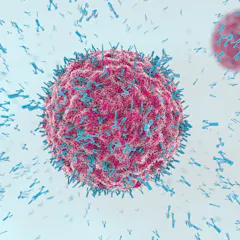
It’s hard to discuss COVID without referring to white blood cells. Here is a primer on the two you need to know about.
Just focusing on spike proteins might not offer the complete immunity.

Evidence from a new study could help scientists develop drugs to neutralise the ‘allergic antibodies’ that cause anaphylaxis.
Top contributors
-

Professor in Immunology, University of Manchester
-
Professor of Pathology, Microbiology and Immunology, University of South Carolina
-
Professor of Pathology, Microbiology and Immunology, University of South Carolina
-
Senior Lecturer in Gastro-Intestinal Health, Lancaster University
-
Lecturer in Immunology, University of Essex
-
Professor Emerita of Biology, Indiana University
-
Professor of Immunology, Imperial College London
-
Distinguished Professor, Professor of Immunology, RMIT University
-
Senior Lecturer; MD, Victoria University
-
Vice Chancellors Senior Research Fellow in Immunology, RMIT University
-
PhD candidate in immunology, RMIT University
-
PhD student, RMIT University
-
Vice-Chancellor's Research Fellow, School of Health and Biomedical Sciences, RMIT University
-
Sir Henry Wellcome Fellow, Centre of Immunobiology, Queen Mary University of London
-
Associate Professor and Research Leader in Virology and Infectious Disease, Griffith University