
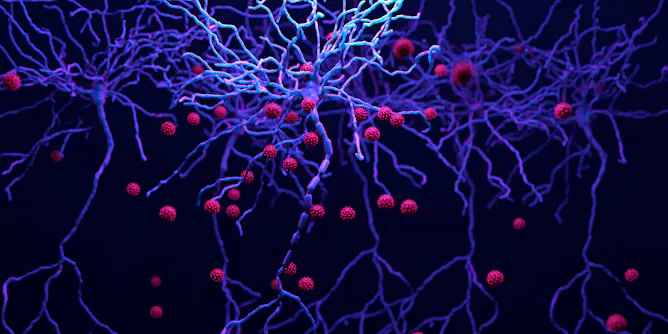
Immune cells can carry HIV into the brain, leading to problems with memory and cognition. Blocking other immune cells from the brain can make matters worse.
Articles on T cells
Displaying 1 - 20 of 56 articles

This new type of immunotherapy shows promise for treating different cancers including prostate cancer, leukaemia and lung cancer.
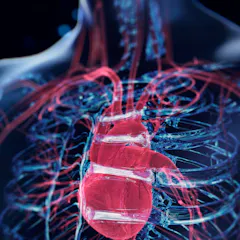
Approaching heart failure like an autoimmune condition could offer new ways to improve patient survival.
Researchers are gaining insights into how external factors like air pollutants, diet and medications, and even microbes in the gut interact with regulatory T cells, for better or for worse.
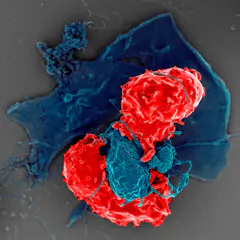
Regulatory T cells help your immune system distinguish between ‘self’ and ‘nonself’ – and can open doors to better treatments for cancer, autoimmune disease and transplant rejection.
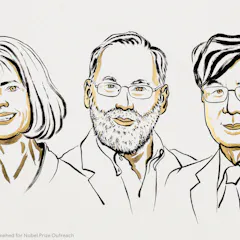
The discovery of cells that prevent the immune system from hurting the body is paving the way for new treatments for autoimmune diseases and cancer.

Immunotherapy hasn’t quite lived up to its early promise – but chemotherapy took a while to get off the blocks, too.
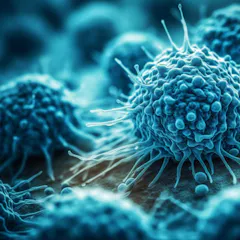
When faced with a threat, T cells have the decision-making flexibility to both clear out the pathogen now and ready themselves for a future encounter.
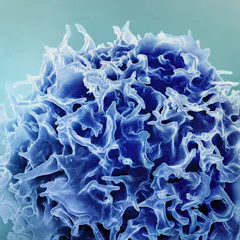
Dietary supplements claim to be able to ‘boost your immune system’ to combat disease. But attaining immune balance through a healthy lifestyle and vaccination is a safer bet to keep in good health.
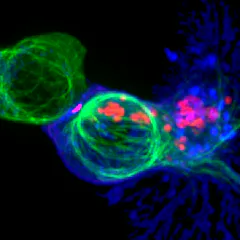
T cells recognize and kill cancer cells but quickly lose their effectiveness. This fast dysfunction may help explain why immunotherapy doesn’t lead to long-term remission for many patients.
Researchers found that people with a specific gene variant were two to eight times more likely to not have symptoms after infection.

Certain immune cells acquired from a coronavirus that causes the common cold appear to react to COVID – but more so in children that adults.

Preventive and therapeutic vaccines both train the immune system to fight disease, but they are used in different ways.
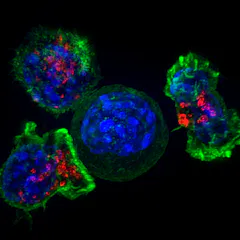
Immunotherapy has the potential to eliminate tumors, but works best for select patients. Engineering T cells to bypass cancer’s defenses could help expand treatment eligibility to more patients.

Inflammation is a complicated and important part of how the immune system responds to threats to the body. But when the inflammatory response goes awry, it can lead to serious problems.

German doctors have reported success in treating patients with severe lupus, using cell treatments like those used for some forms of blood cancer.

Evidence is growing there are changes to your immune system that may put you at risk of other infectious diseases.
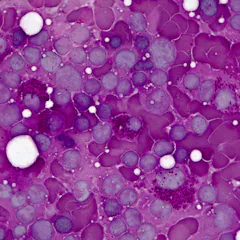
Patients with blood cancer undergoing stem cell transplantation have a high risk of complications. The bacteria in their gut, however, can help their immune system recover and fight infections.
While the immune system naturally gets weaker with age, social stressors like trauma and discrimination can hasten immunosenescence.
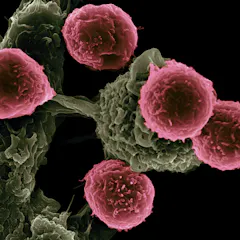
One promising cancer treatment has been in the works for decades, but severe side effects have kept it out of the clinic. A reengineered version may offer a way to safely harness its potent effects.
Top contributors
-

Professor in Immunology, University of Manchester
-
Professor of Pathology, Microbiology and Immunology, University of South Carolina
-
Professor of Pathology, Microbiology and Immunology, University of South Carolina
-
Senior Lecturer; MD, Victoria University
-
Associate Professor of Immunology and Microbiology, University of Colorado Anschutz
-
Distinguished Professor, Professor of Immunology, RMIT University
-
Professor of Immunology, RMIT University
-
Lecturer in Immunology, University of Essex
-
Professor of Immunopharmacology, Queen Mary University of London
-
Professor of Immunology, University of Connecticut
-
Assistant Professor of Biological Sciences, University of North Carolina – Charlotte
-
MD-Ph.D. Candidate in Molecular Pathology and Immunology, Vanderbilt University
-
Professor of Immunology and Director, Institute of Immunology and Immunotherapy, University of Birmingham
-
Professor of Neurology, University of California, San Francisco
-
Postdoctoral research scientist, Columbia University