
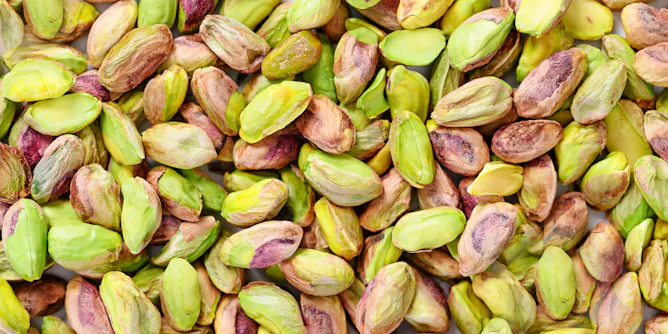
Pistachio production will require even more water use by 2050 if temperatures and greenhouse gas levels continue to rise.
Articles on Sustainable food
Displaying 1 - 20 of 47 articles

Around 40 to 50 times more energy goes into producing, transporting and selling food than can be recovered from recycling it.
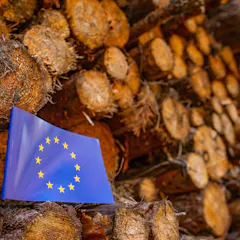
For the EUDR to succeed, this delay must serve as a catalyst for both political and practical reforms — unlocking meaningful progress for forests, farmers, and truly transparent, fair trade.
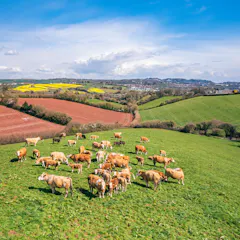
Emerging technologies such as lab-based meat could produce the same quality and quantity of protein on hundreds of times less land.
In both the UK and Japan, people who trusted the government were more willing to pay extra for organic food.
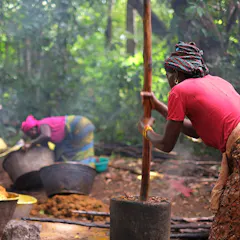
The often-heated and frequently misinformed debate on vegetable oils misses the real point.
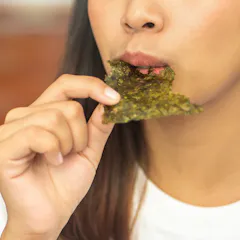
Before trying to persuade people to eat more seaweed, it’s important to understand the reasons they aren’t eating it already.
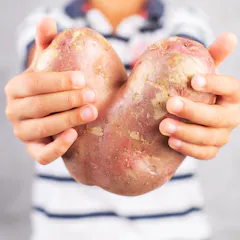
Foods saved from the waste heap by verifiable supply chains are said to be upcycled.
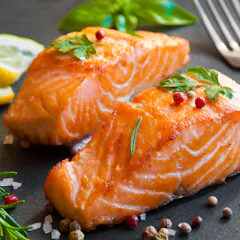
A new measure could let consumers know the environmental and nutritional credentials of the salmon they buy.
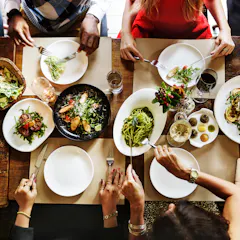
Establishing a nationwide system of community restaurants could help tackle the current food and farming crisis.
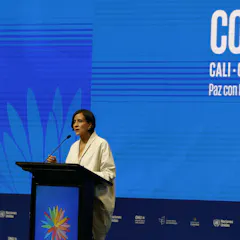
While governments at COP16 make glacial progress on protecting nature, what billions of people choose to do individually can add up to make a big difference.
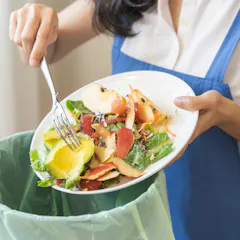
Most food waste happens at home - new research reveals the most effective ways to encourage people to reduce it.

Eating sustainably is more feasible than most realize. These four tips can help reduce the footprint of your kitchen while also helping you live a more healthy life.
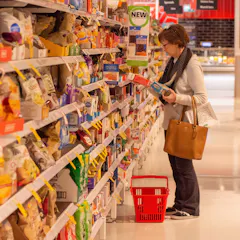
The last thing we want to do is take the pleasure away from eating. But bite-sized changes add up to significant environmental benefits.
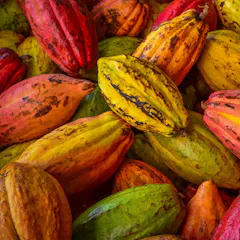
What makes a good egg? The ethics of chocolate is complicated and often hard to decipher with confusing marketing claims on some product packaging.

Endemic to Madagascar, voatsiperifery is one of the secrets of the world’s top chefs. But it has to be grown in a way that preserves its environment and guarantees producers a fair income.

The 5th Edition of the Chocolate Scorecard reveals that some retailers are lagging when it comes to selling sustainable products.
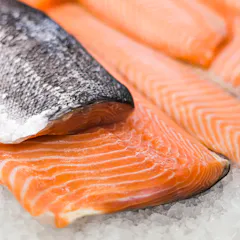
Knowing which fish to buy can be confusing, but certain eco-labels can help decipher whether wild-caught, farmed or organic salmon is best for the environment.

A guaranteed basic income is a promising tool for contributing to sustainability and justice across agriculture and fishing sectors.
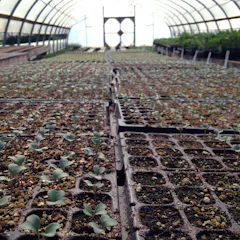
In light of the changes caused by the pandemic, it is clear that food autonomy as a frame of reference for reorganizing the Québec food system is not enough.
Top contributors
-

Honorary Professor, International Relations, Brunel University of London
-
Associate Professor, Environmental Studies, Queen's University, Ontario
-
Senior Lecturer in Environmental Sustainability, School of Life and Environmental Sciences, Faculty of Science, Engineering & Built Environment, Deakin University
-
Canada Research Chair in Equitable and Sustainable Food Systems, Lakehead University
-
Research Fellow, University of Technology Sydney
-
Postdoctoral Fellow, Department of Community Health and Epidemiology, University of Saskatchewan
-
Professor of Earth System Science, UCL
-
Medical Anthropologist; Host of AnthroDish Podcast, McMaster University
-
Research Dietitian (CSIRO), PhD Candidate (Deakin University), Deakin University
-
Professor of Geography, University of Guelph
-
Senior Lecturer, Department of Media and Communications, Faculty of Arts and Social Sciences, University of Sydney
-
Lecturer in Mycorrhizal Ecology, Hawkesbury Institute for the Environment, Western Sydney University
-
Distinguished Professor of Marine Biology and Executive Director of the Climate Change Cluster, University of Technology Sydney
-
Professor of Public Health Nutrition, Institute for Physical Activity and Nutrition, Deakin University
-
Professor, Climate Change Cluster, University of Technology Sydney