
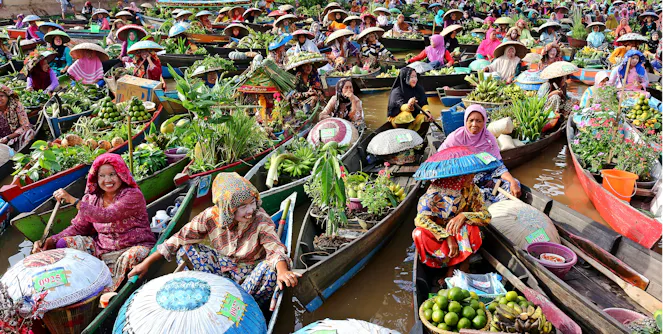
Indonesians are consuming more and more processed foods, including sugary drinks, salty snacks, junk food, and unhealthy fats. These changes take a toll on people’s health, as well as the environment…
Articles on Sustainable food
Displaying 21 - 40 of 47 articles
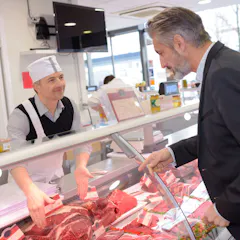
Official estimates indicate that meat consumption is falling in the UK – but not all of the data agrees.

Healthier and more sustainable food could be made cheaper as meat and dairy becomes more expensive.
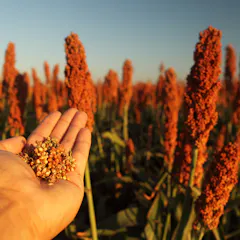
Known as ting or amazimba, indigenous sorghum is resilient and rich in cultural and health benefits – yet crops are declining.

In three different experiments, plant-based meal sales rose when there were more menu options.
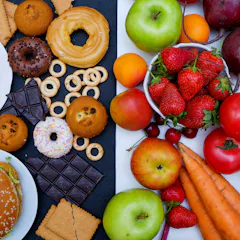
Ultra-processed foods that contributed the most dietary energy for Aussies included ready-made meals, fast food, pastries, buns, cakes, breakfast cereals, fruit drinks, iced tea and confectionery.
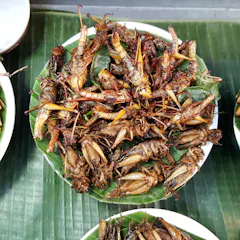
Insects have long been identified as a protein-rich and nutritious food, and are eaten across various cultures outside the West – including across Africa, Asia, and Latin America.
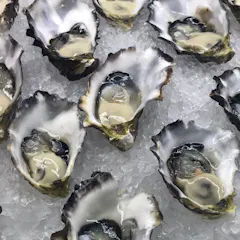
It’s a great time to buy sustainable Australian seafood, from cheaper lobster to farmed prawns and oysters. Here’s how.

‘Local, organic, sustainable’ are common buzzwords on US restaurant menus now, but it wasn’t always that way. Alice Waters and her restaurant, Chez Panisse, helped put them there.

The process that brought you your morning latte could have produced half a kilogram of CO₂.
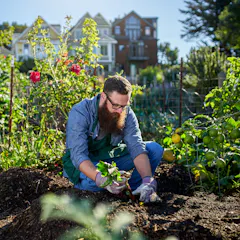
Nurturing enthusiasm for growing food closer to home could benefit people, wildlife and the global food system.
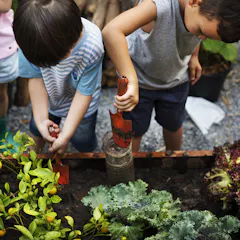
Moving classes outside deserves serious consideration not only for better ventilation, but also to introduce more education devoted to learning on, from and with the land.

Satellite technology and machine learning are helping track down illegal and environmentally damaging ‘dark fleets’ of fishing boats.
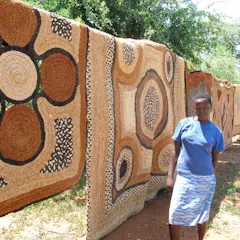
As the world deals with COVID-19, the sustainable use of wild species is a critical coping and resilience strategy.

Local fish are almost impossible to find on the shelves of grocery stores in northern Ontario, even though the region has an abundance of fish.
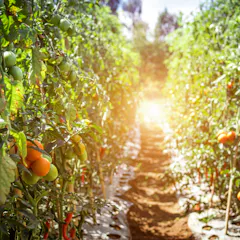
This transformation provides lessons for the rest of world, for shifting away from chemical agriculture towards a healthier system for people and the planet.

Microalgae taste like grass and are packed with nutrients.
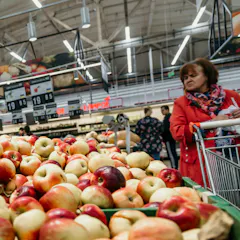
The recommendations of experts aren’t reaching people in the supermarket aisles. So what can be done about it?

Putting healthy foods at the centre of your family’s diet every day and on special occasions means taking the edge off excessive intake of sugary and fatty foods once in a while.
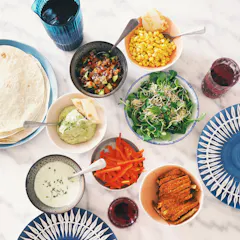
Growth in demand for healthy and sustainable products could make Australia’s food and agribusiness sector more valuable than mining.
Top contributors
-

Honorary Professor, International Relations, Brunel University of London
-
Associate Professor, Environmental Studies, Queen's University, Ontario
-
Senior Lecturer in Environmental Sustainability, School of Life and Environmental Sciences, Faculty of Science, Engineering & Built Environment, Deakin University
-
Canada Research Chair in Equitable and Sustainable Food Systems, Lakehead University
-
Research Fellow, University of Technology Sydney
-
Postdoctoral Fellow, Department of Community Health and Epidemiology, University of Saskatchewan
-
Professor of Earth System Science, UCL
-
Medical Anthropologist; Host of AnthroDish Podcast, McMaster University
-
Research Dietitian (CSIRO), PhD Candidate (Deakin University), Deakin University
-
Professor of Geography, University of Guelph
-
Senior Lecturer, Department of Media and Communications, Faculty of Arts and Social Sciences, University of Sydney
-
Lecturer in Mycorrhizal Ecology, Hawkesbury Institute for the Environment, Western Sydney University
-
Distinguished Professor of Marine Biology and Executive Director of the Climate Change Cluster, University of Technology Sydney
-
Professor of Public Health Nutrition, Institute for Physical Activity and Nutrition, Deakin University
-
Professor, Climate Change Cluster, University of Technology Sydney