
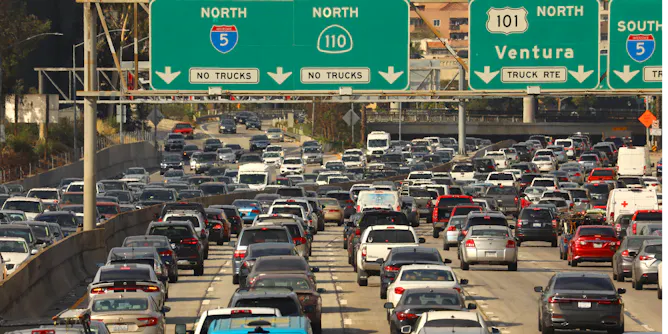
The pandemic offered a tantalizing look at city life with fewer cars in the picture. But with traffic rebounding, there’s limited time to lock in policies that make streets more people-friendly.
Articles on Sustainable cities
Displaying 61 - 80 of 116 articles
Cities around the world are reducing traffic speeds and improving access to local services and activities by public transport, cycling and walking. They are now reaping the many ‘slow city’ benefits.

Cities are danger zones for migrating birds, but there are ways to help feathered visitors pass through more safely
The built environment plays a pivotal role in lowering residents’ exposure to climate change driven risks.

Walking all parts of Melbourne before and after the pandemic hit was eye-opening. It brought home just how much change is possible if we wish for a better, more sustainable way of living.
Parts of Nairobi are already dealing with temperature increases and reduction in humidity. These conditions are associated with increases in mortality, especially in children and the elderly.
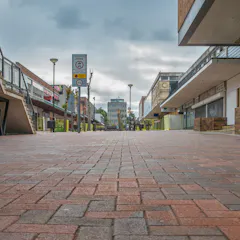
A space the size of 284 Bluewaters is surplus to requirements.
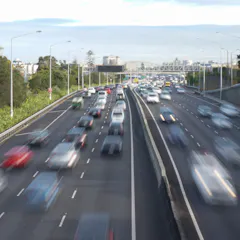
Motorways were once seen as a way of reducing congestion in our towns and cities. But the more we build, the more they fill with drivers.
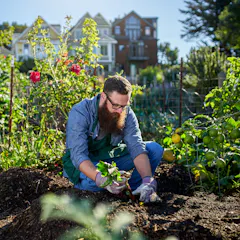
Nurturing enthusiasm for growing food closer to home could benefit people, wildlife and the global food system.

Fewer weekly commutes means many will be willing to commute further. The effects on urban growth of working from home pose serious challenges.
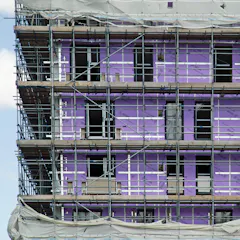
If more people work from home and shop online, many commercial buildings won’t be needed any longer. What will be needed is affordable housing, and these buildings can be converted to meet this need.
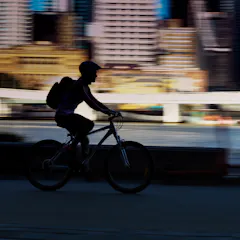
Investing more in cycling and walking would boost both physical and economic health, with a typical return of $5 for every $1 spent on cycling infrastructure.
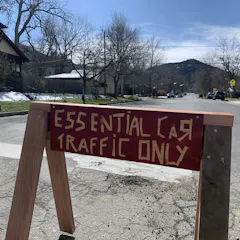
City streets were built to accommodate cars, but the COVID-19 pandemic has scrambled our transport needs. Many cities are moving to make streets more people-friendly and less car-centric.
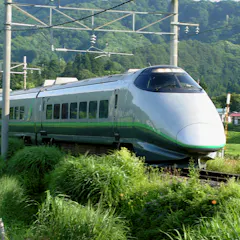
A high-speed rail network in Australia would create many benefits by reshaping cities and regional communities along its route.
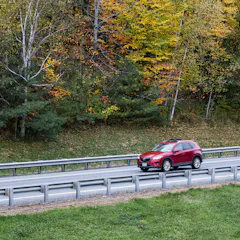
Research shows that millennials don’t drive as much as previous generations, largely because of their beliefs.
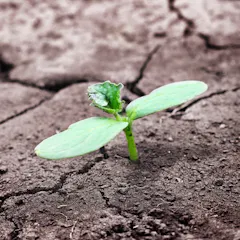
How to trigger eco-innovations after COVID-19.
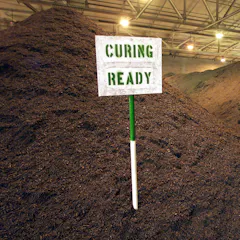
Turning food scraps and yard trimmings into compost improves soil, making it easier for people to grow their own food. City composting programs spread those benefits more widely.

The release of a roadmap for green roofs, walls and facades in Australia can help our cities catch up with the world leaders in urban greening.
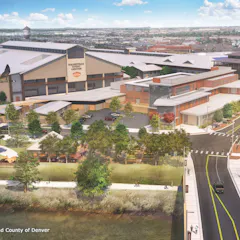
Net zero energy buildings produce at least as much energy as they use. Designing whole net zero campuses and communities takes the energy and climate benefits to a higher level.
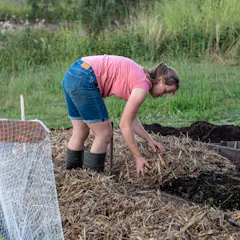
A gardening supply shortage during the pandemic showed our ill-preparedness to grow our own food. Permanent backyard veggie gardens can help us survive the next crisis, and provide everyday benefits.
Top contributors
-
 John Rennie Short is a Friend of The Conversation.
Professor Emeritus of Public Policy, University of Maryland, Baltimore County
-
Assistant Professor of Fish, Wildlife, and Conservation Biology, Colorado State University
-
Honorary Associate Professor, ANU College of Science, Australian National University
-
Professor of Urban Policy and Director, Urban Futures Enabling Impact Platform, RMIT University
-
Emeritus Professor in Sustainable Urbanism, Swinburne University of Technology
-
Professor Sustainability and Urban Governance, RMIT University
-
Senior Lecturer in Transport, Urban and Regional Planning, Adelaide University
-
Professor of Planning, School of Built Environment, UNSW
-
Academic Director, School for International Training, The University of Melbourne
-
Professor of Civil and Environmental Engineering and Director, Supply Chain Transportation and Logistics Center, University of Washington
-
Lecturer in Urban Agriculture, Boston University
-
Postdoctoral Research Fellow, Swinburne Business School, Swinburne University of Technology
-
Senior Lecturer – Environmental Health, James Cook University
-
Assistant Professor, Political Science, Boston University
-
Professor of Mobile Media and Games., RMIT University