
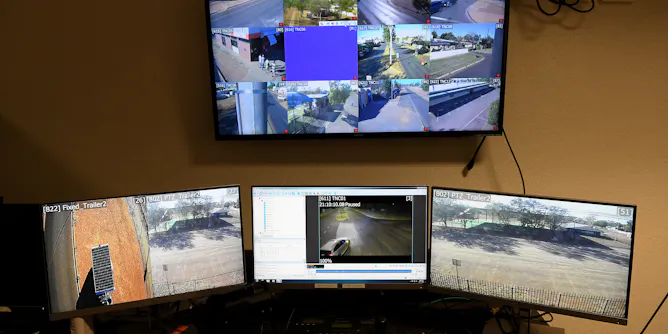
Darwin is one of the aspiring ‘smart cities’ that is adopting Chinese technology that can identify and track individuals. Add changes in Australian law, and we have the makings of a surveillance state.
Articles on Surveillance
Displaying 221 - 240 of 411 articles

Apps these days allow parents to track their children. An expert explains, why these technologies should be a reason for worry if you are a parent,
These days surveillance isn’t just CCTV. Police now have access to body cams, drones and facial recognition systems – and it’s helping police not only solve crime, but prevent it too.
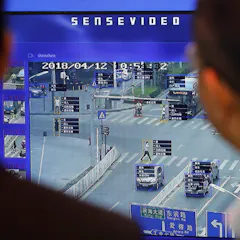
Even governments in democracies with strong traditions of rule of law find themselves tempted to abuse these new abilities.
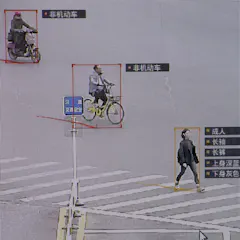
AI can help make government more efficient – but at what cost? Citizens’ lives could be better or worse, based on how the technology is used.

Chinese users have started posting sensitive materials, like documents of sexual assault, on the blockchain. But the government has taken its own steps to crack down on this practice.

New technologies like facial recognition are coming – whether we like it or not. We can’t turn back the tide, but we can manage new technology to do the least harm and most good.

The government can access your phone metadata, drivers licence photo and much more. And new research shows Australians are OK about it. But that might change.

Teachers should seriously reconsider using technology to monitor behaviour because of the negative impact it could have on students.

If you’re worried your phone is recording your private conversations, look closer at the data you’ve already agreed to give away.
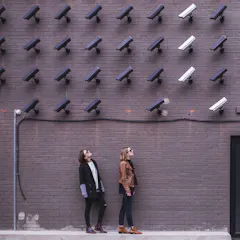
If left unchecked, invasions of privacy enabled by technology could put every human right at risk, and on a scale that would be truly terrifying.

Experts describe their research into how smartphones collect and share private personal information with tracking companies and advertisers.

Conservation surveillance can generate fear and anger among local people.

A new book examines the relationship between national security and access to information in Australia, New Zealand, US, UK and Canada, comparing it with other countries around the world.
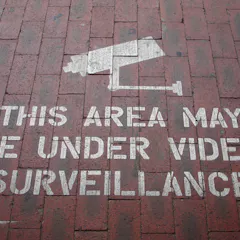
Surveillance often results in people who are homeless being the target of enforcement measures. But a new study in Cairns shows surveillance can also be used to achieve more positive social outcomes.
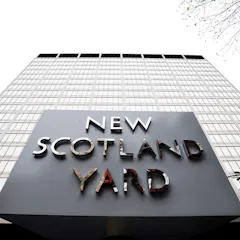
Allowing the police unfettered use of vast databases of information will begin to tilt the balance of power towards totalitarianism.

Some family members of aged care residents have resorted to hidden cameras to detect abuse and protect loved ones. But it’s legally murky and erodes the privacy of the resident, staff and visitors.

As a resource-driven economy, Australia is not used to being at the pointy end of supply chains – and it feels as though we are managing risks and benefits of critical infrastructure on the fly.

Large-scale data collection and analysis can target consumer behaviour. Faced with the risk of drifts, transparency and ethics of algorithms become paramount.

Financial institutions and stores judge our credit-worthiness based on how we handle our money. But we should be cautious of letting others compile our health data into a “wellness report.”
Top contributors
-

Associate Professor in Telecommunications Engineering, Swinburne University of Technology
-
Research Director of the Security and Surveillance Research group; Professor, The University of Queensland
-
Professorial Fellow, University of Canberra
-
Professor of Digital Society, University of Glasgow
-
Affiliated Faculty Member, Institute for Computational and Data Sciences, Penn State
-
Associate Professor, School of Law, University of Canberra
-
Senior Lecturer in Technology, The Open University
-
Research engineer, Advanced Surveillance Project, CSIRO
-
Senior Researcher and Project Manager, Advanced Surveillance Project, CSIRO
-
Lecturer in Technology and Crime, Griffith University
-
Professor and Director, Centre for Research into Information, Surveillance and Privacy, University of Stirling
-
Emeritus Professor in Law and Criminal Justice, Adelaide University
-
Professor of Global Legal Studies, Birmingham Law School, University of Birmingham
-
Head, The Cyber Academy, Edinburgh Napier University
-
Professor of Cyber Security Practice, Edith Cowan University