
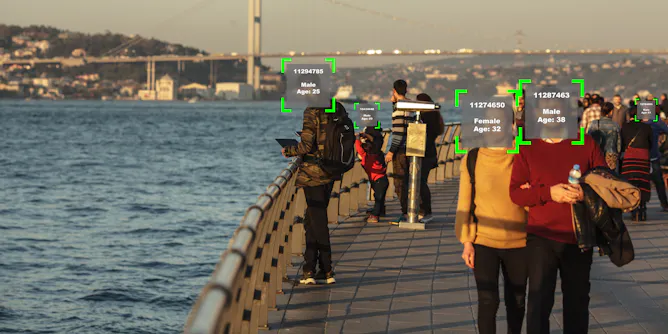
Face surveillance makes it easier to oppress vulnerable populations and violate everyone’s basic rights. It’s time for a moratorium.
Articles on Surveillance
Displaying 181 - 200 of 411 articles
Ethical hiring practices should include a full disclosure by the company of any social media searches in advance of hiring a job candidate.
Police departments have suggested using contact tracing approaches to track protesters, raising concerns about data and privacy.

A patchwork of state and federal laws cover the surveillance of private conversation. But, in all cases, there is a “public interest” defence.

The use of body cameras by police forces raises questions about surveillance, privacy and regulation.
Police forces across the country now have access to surveillance technologies that were recently available only to national intelligence services. The digitization of bias and abuse of power followed.

A new approach to supporting victims of domestic violence and child maltreatment.
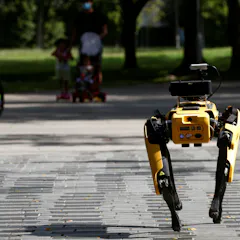
Smart city solutions have proved handy for curbing the contagion, but recent experience has also shown how much they rely on public trust. And that in turn depends on transparency and robust safeguards
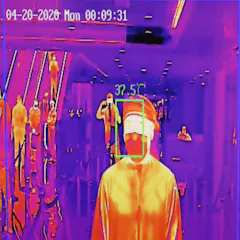
Temperature-scanning systems are not always accurate at detecting fever, and raise a host of privacy concerns.
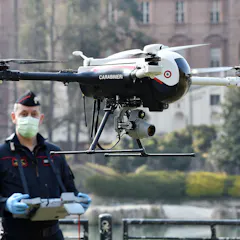
Police are using drones to enforce rules and surveil and intimidate people.
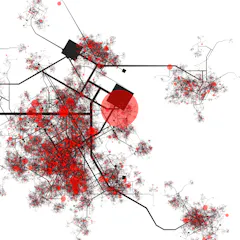
Contact tracing is being touted as essential to controlling the spread of COVID-19, but it comes with alarming concerns related to our rights to privacy.
As governments consider the use of surveillance technologies to trace and contain the spread of COVID-19, it is important to consider human rights in the implementation.

The Australian National University is turning to digital proctoring to replace the role of a walking invigilator. But who watches the proctor, what are the risks, and what data will be collected?
Providing the relevant safeguards are in place, there should be no particular threat to Australians’ privacy.

Current restrictions remind us of the value of access to public space and one another. Yet even before COVID-19 some people were excluded and targeted, so a return to the status quo isn’t good enough.

Cellphone data can show who coronavirus patients interacted with, which can help isolate infected people before they feel ill. But how digital contact tracing is implemented matters.
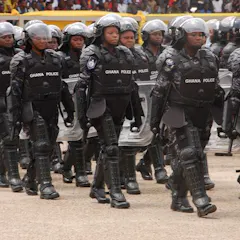
Instead of seeking to protect our health and stop the coronavirus epidemic by instituting totalitarian surveillance regimes, we should rather focus on empowering citizens.
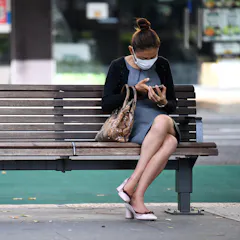
Our mobile phone’s location data could be a valuable tool to help track and trace the spread of the coronavirus outbreak. The government has the legal power to do it, given what’s at stake.
Recently, police forces have come under criticism for their engagement of facial recognition technologies. But pandemic response plans may increasingly incorporate surveillance.
South Korea’s COVID-19 testing programme relies on what many would call privacy invasions.
Top contributors
-

Associate Professor in Telecommunications Engineering, Swinburne University of Technology
-
Research Director of the Security and Surveillance Research group; Professor, The University of Queensland
-
Professorial Fellow, University of Canberra
-
Professor of Digital Society, University of Glasgow
-
Affiliated Faculty Member, Institute for Computational and Data Sciences, Penn State
-
Associate Professor, School of Law, University of Canberra
-
Senior Lecturer in Technology, The Open University
-
Research engineer, Advanced Surveillance Project, CSIRO
-
Senior Researcher and Project Manager, Advanced Surveillance Project, CSIRO
-
Lecturer in Technology and Crime, Griffith University
-
Professor and Director, Centre for Research into Information, Surveillance and Privacy, University of Stirling
-
Emeritus Professor in Law and Criminal Justice, Adelaide University
-
Professor of Global Legal Studies, Birmingham Law School, University of Birmingham
-
Head, The Cyber Academy, Edinburgh Napier University
-
Professor of Cyber Security Practice, Edith Cowan University