
Coles plans to ‘optimise its workforce’ with big data and AI tools from a controversial tech company.
Articles on Supermarkets
Displaying 61 - 80 of 226 articles
The COVID pandemic, climate events and international conflicts have all contributed, while supermarket giants have been accused of price gouging.

Supermarket pricing is a big story but let’s forget the media coverage, the politician sound bytes and the corporate PR for a moment. What are ordinary Australians saying about supermarket pricing?

Is the cost of living really driving regular people to crime? And are those security tags on your steak the result of their misdemeanours?
Why wait until a Senate inquiry to explain how supermarkets come up with the prices in their stores? There’s an opportunity now for the big supermarkets to be more transparent on pricing.
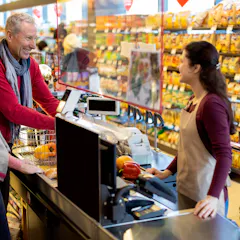
For people who feel lonely, a trip to the supermarket could help – if only the store provided opportunities to chat at the checkout. A Dutch chain has done just that, and customers and staff love it.
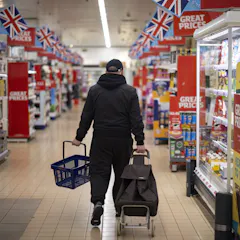
Rishi Sunak is proposing to introduce voluntary caps for staples like milk and bread.

People in rural areas have less access to supermarkets in general. When it comes to online grocery shopping, just over 11% of those have no choice at all.
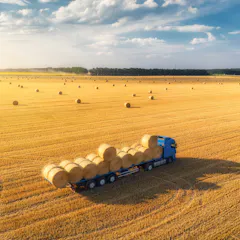
Change and communication across the food supply chain will help stop prices from rising further.

Food supply chain discounts are causing issues for UK producers and processors.
Excessive donation requests can end up triggering donor fatigue or inspiring accusations of ‘social washing’.
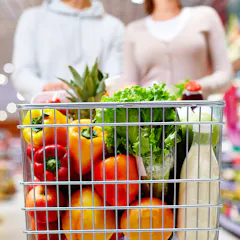
Research shows what happens when people are forced to swap their favourite shops.

Selling misshapen, bruised fruit and vegetables that are not a standard size requires a supply chain rethink, according to research.
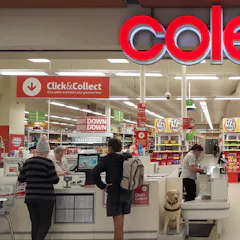
The ‘last kilometre’ between the supermarket and your home remains the most costly and complicated leg of the grocery supply chain.
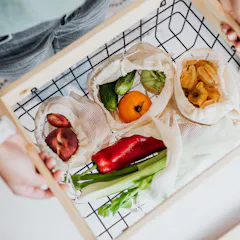
UK supermarket chains have dropped the use of “best before” date labels to reduce the amount of food being thrown out when it’s still perfectly edible. It’s just as big a problem in Australia.

How to spot the changes made to goods and services as a result of rising costs.
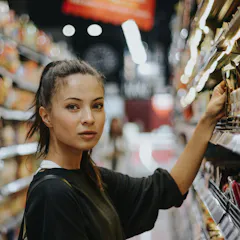
Looking to save money on your grocery bill but not sure about home-brand food? It’s actually a healthy option, with a few exceptions.

A comparison of 42 urban areas in New Zealand with 500 towns and cities in the US shows how much better local urban design has to be if we’re serious about reducing reliance on cars.
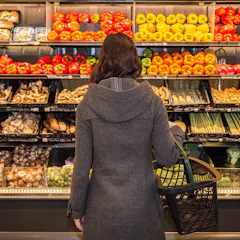
British households waste nearly 32% of all purchased food items per year.
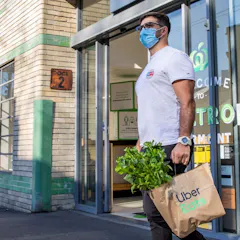
As Coles and Woolworth turn to UberEats and DoorDash for fast deliveries, supermarket workers feel ‘the gig economy is getting closer’.
Top contributors
-

Professor of Marketing and Consumer Behaviour, Queensland University of Technology
-
Associate Dean, School of Business and Law, Edith Cowan University
-
Associate Professor of Marketing, Tasmanian School of Business and Economics, University of Tasmania
-
Professor of Economics, Monash University
-
Professor in Sustainable Production and Consumption, Anglia Ruskin University
-
Professor of Public Health, Deakin University
-
Professorial Fellow, University of Canberra
-
Emeritus Professor of Marketing, University of Birmingham
-
Professor of Public Health Policy, Deakin University
-
Associate Professor in Operations and Supply Chain Management, UTS Business School, University of Technology Sydney
-
PhD, Political Economy, Macquarie University
-
Retail Academic Researcher, Business School, University of Sydney
-
PhD Candidate, ARC Centre of Excellence for Automated Decision-Making and Society, RMIT University
-
Professor of Accounting, University of Portsmouth
-
Associate Professor, Supply Chain Analytics, University of Bradford