
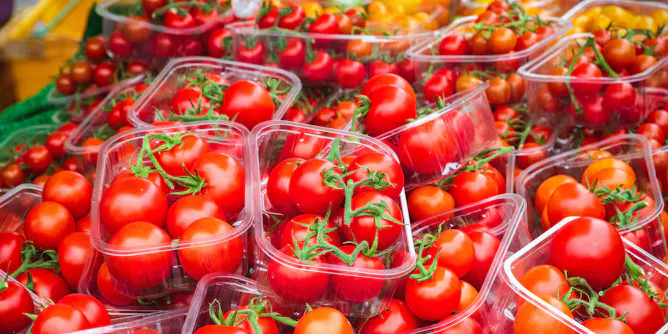
Year-round tomatoes and asparagus depend on heated glasshouses, abundant sunlight and long-distance transport – all of which come with costs.
Articles on Food prices
Displaying 1 - 20 of 154 articles
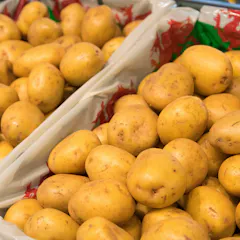
Conflicts, energy shocks, climate change and El Niño are combining to squeeze food prices upwards. Five familiar foods illustrate what’s going on.
This year’s El Niño is likely to be the strongest on record. That would boost some fruit supplies – but it could also push up wheat, sugar and beef prices.
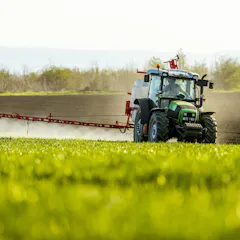
Compost, manure and food waste can be turned into biofertilisers made from natural materials.

Lower inflation does not mean prices will return to where they were before. Inflation measures the average change in prices over time, not which specific prices are rising or falling.

Ottawa’s $3-billion National Food Security Strategy funds greenhouses, food terminals and processing plants, but not the advisors who help farmers put any of it to work.
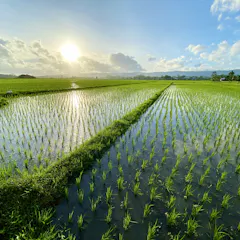
Rice is life for billions of people. But this grain crop depends heavily on irrigation – and the looming El Niño is likely to bring dry conditions.
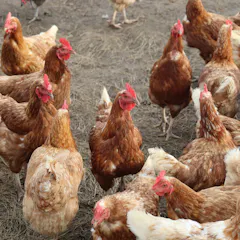
The poultry industry is on high alert. But authorities have had years to prepare for this moment and plans are being put in place.
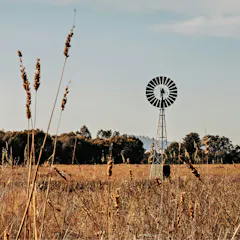
Australia isn’t likely to face food shortages anytime soon. But hotter, drier weather could still take a toll on many local economies and communities.
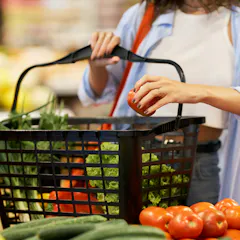
High food prices are a systemic issue, and government should prioritize strengthening food system infrastructure rather than opening public grocery stores.
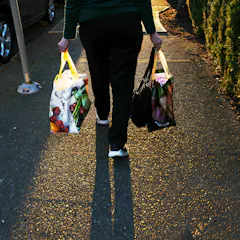
The idea of government-run grocery stores is gaining traction in Canada and the United States. But evidence suggests the costs would be steep and the benefits poorly targeted.
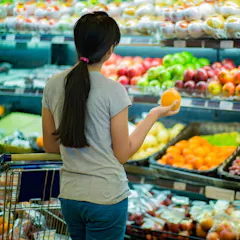
Rising oil and fertilizer costs linked to Middle East tensions could affect food prices, but the effects will vary across products and may take time to fully emerge.
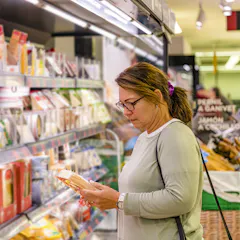
You don’t need to go without meat or dairy to afford your weekly shop. Here’s how to choose lower-cost items and spot bargains.

Expanding surveillance in supermarkets may deter theft, but it does little to address the structural causes of food insecurity and rising grocery prices.

The price of 50 categories of staple goods are protected to prevent costs spiralling.
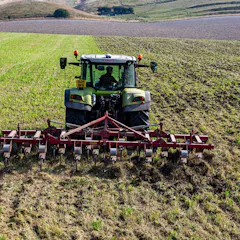
UK farmers are struggling with rising prices, as the war in Iran and the closure of the strait of Hormuz starts to affect supply.

Energy price spikes will force up the cost of grain imports.
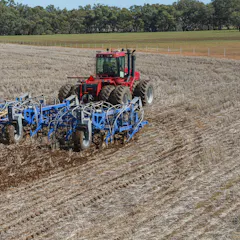
Australia gets half its urea – a crucial nitrogen fertiliser – from countries now impacted by the war. But research suggests higher food prices aren’t a given.
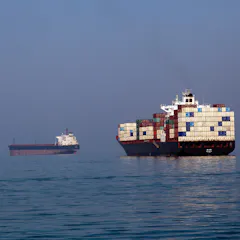
Without this form of fertiliser, crops will not produce yields on which the world’s population depends, leaving people starving.
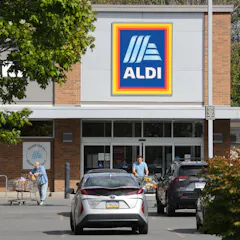
The grocer offers low prices and plans to build its own distribution center.
Top contributors
-

Director, Agri-Food Analytics Lab, Professor in Food Distribution and Policy, Dalhousie University
-
Professor, Food Economics, University of Guelph
-
Professor of Economics, Centre for Competition, Regulation & Economic Development, UJ, and at SOAS University of London; advisor Shamba Centre for Food & Climate, University of Johannesburg
-
Associate Professor of Economics, University of Sydney
-
Professor of Economics & Business, Allegheny College
-
Professor, Department of Government, University of Essex
-
Associate Professor of Agri-Food Trade and Policy, University of Guelph
-
Professor of Agricultural Economics, Lincoln University, New Zealand
-
Associate Professor, Supply Chain Analytics, University of Bradford
-
Senior Lecturer in Finance, Covenant University
-
Professor of Accounting, University of Portsmouth
-
Executive Director, Swette Center for Sustainable Food Systems, Arizona State University
-
PhD Student, Social Anthropology, Dalhousie University
-
Assistant Professor, Sustainability and Environmental Studies, St. Thomas University (Canada)
-
Professor of Food Policy, City St George's, University of London