
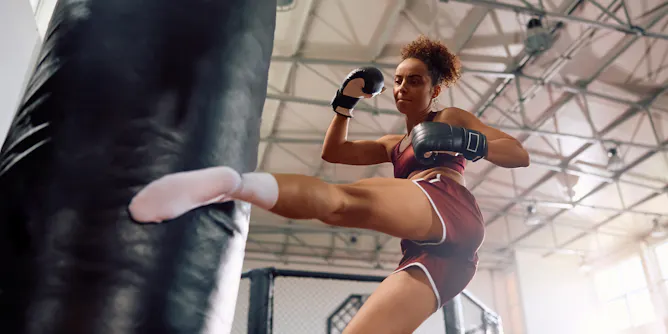
Centuries-old conditioning techniques are remaking bone, muscle and skin at a cellular level. Modern science is only just catching up.
Articles on Sports science
Displaying 1 - 20 of 73 articles

Data science and machine learning algorithms can help us form probabilistic forecasts of things like sporting events.
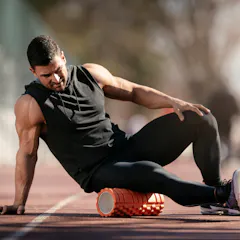
Research reveals why recovery is often neglected, and what all of us can learn about building routines that actually last.

Despite good hydration and nutrition, many athletes across sports still suffer from unexpected cramps. The courts and fields they’re playing on may be the missing link.
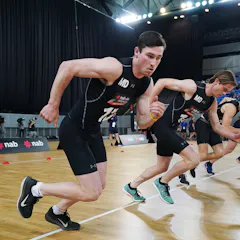
The beep test, which aims to measure aerobic fitness, can evoke a sense of dread among amateur and elite athletes alike.

Many sports are almost unrecognisable to what they were a generation or more ago, and speed is one of the biggest factors in modern sports.
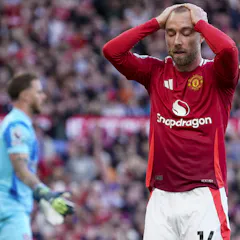
Manchester United is in turmoil again and the scientific discipline of ‘systems thinking’ outlines why the club’s approach is failing.

The standard advice is to replace your runners after 500–800 kilometres. But science shows it could be more or less – here are the three signs to look out for.

The shoes have sparked controversy, but they seem to be here to stay.

Night matches at the Australian Open are a great spectacle, but sleep disruption is likely to wreak havoc even on professional athletes.
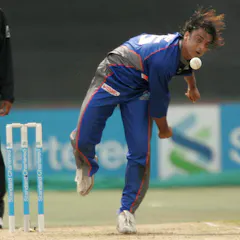
Why the speed of fast bowling in cricket seems to have stalled.
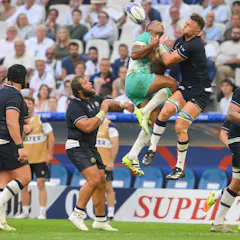
Rugby players risk serious injury due to the game’s sheer physicality. Sports scientists have worked with international rugby bodies to improve safety.
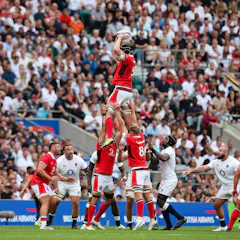
New research shows that rugby players’ hamstrings are stiffer than active people who don’t play rugby.

The muscle benefits of a brief ‘priming’ workout seem to last longer than a last-minute warm up.

Player wages and transfer fees make the headlines, but the wealth generated by the Premier League has also been spent behind the scenes.
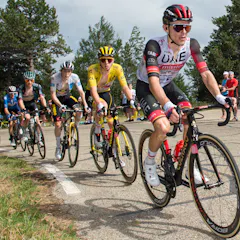
Three scientists explain the biology and physics of what goes into one of the world’s most grueling races, the Tour de France.
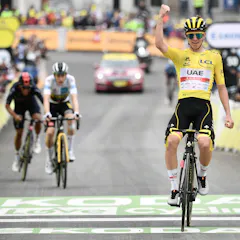
Riders in the 2022 Tour de France will ride more than 2,100 miles (3,400 km) over the 21 flat and mountainous stages of the race. And they will burn an incredible amount of energy while doing so.
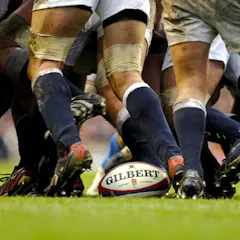
The collection of athlete data in professional sport has outpaced legal requirements and scientifically-proven benefit to athletes.

A study shows that a select group of NBA players really do go on hot streaks by making more shots in a row than statistics suggest they should.
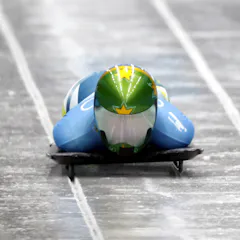
What does it take to deliver a medal-winning performance in skeleton, which involves racing down a banked track faster than a car on a freeway, with your face mere centimetres from the ice?
Top contributors
-

Honorary Associate, Faculty of Business, School of Management, University of Technology Sydney
-
Professional Practice Fellow, University of Otago
-
Associate Professor of Sports Technology, Bournemouth University
-
Professor of Biomechanics, Edith Cowan University
-
Professor of Sports Science, Institute of Sport, Exercise and Active Living (ISEAL), Victoria University
-
Professor of Engineering Practice, Purdue University
-
Senior Lecturer in Sport and Exercise, Teesside University
-
PhD Candidate, Victoria University
-
Lecturer in Sports Biomechanics, Victoria University
-
Lecturer, School of Sport, Rehabilitation and Exercise Sciences, University of Essex
-
Digital journalism coordinator, Monash University
-
Professor of Health Sciences, Adelaide University
-
Doctoral Student (EdD) and a Teaching Fellow in Sport, Coaching and Pedagogy, University of Bath
-
PhD Candidate in Biomechanics and Skill Acquisition, Victoria University
-
Associate Professor in Exercise, Health and Sport Psychology, The University of Western Australia