
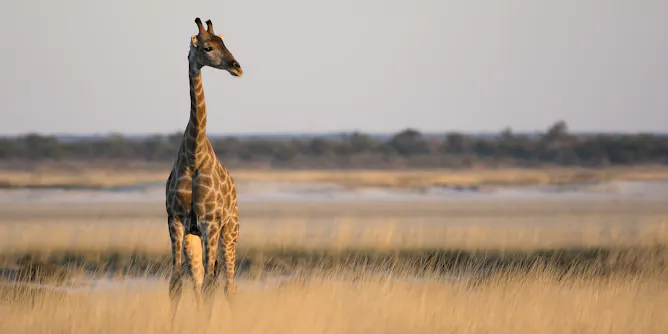
There are significant differences in the skull shapes of the different types of giraffe.
Articles on Species
Displaying 21 - 40 of 110 articles

New research on cuckoos suggests the battle between exploiters and victims may be a key reason for life’s enormous diversity.

Giraffes show remarkable genetic differences between populations.

Two-thirds of conservation actions studied were found to benefit target ecosystems and species.
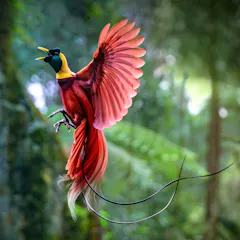
The extinction of the dinosaurs sparked an explosion of bird species, according to the largest-ever study of bird genetics.
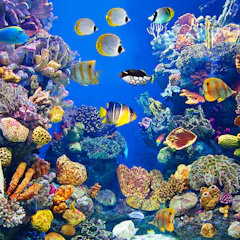
Stephen Garnett takes us inside a scientific spat about how to govern the naming of new species. Listen to The Conversation Weekly podcast.

North American ornithologists are seeking to replace all bird species named after people - but what should they be called instead?
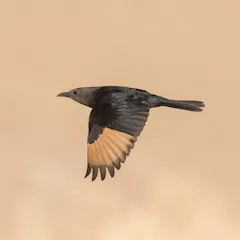
H.B. Tristram was a Victorian clergyman and ornithologist who categorised a list of birds he’d found in Palestine.
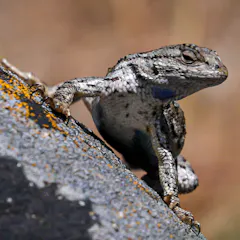
From dark dragonflies becoming paler to plants flowering earlier, some species are slowly evolving with the climate. Evolutionary biologists explain why few will evolve fast enough.
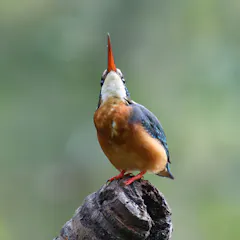
Only after a species is identified and listed by taxonomists can it be protected. Yet we still don’t have one globally agreed-upon list of every species. A new 74-nation survey points to the solution.
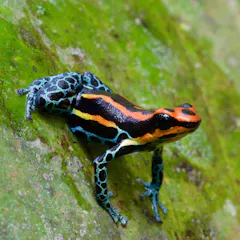
New research looks at how different species have managed to cross geographic barriers throughout history and whether their individual traits played a crucial role in these journeys.
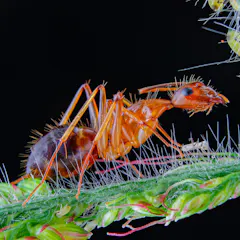
Invasive ants are a major threat to biodiversity, according to a study.
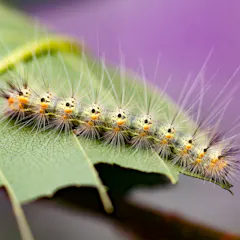
Crowd-sourcing images of caterpillars from nature apps allowed researchers to study the emergence of a new species of caterpillar.

Their drawings did not reflect the make up of the natural world.
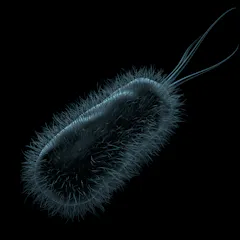
A new ‘rule book’ for naming genomically sequenced bacteria is a boon for science.

Species will endure intolerable conditions long after the global average temperature stabilises.

Roughly 90% of species on Earth are believed to be undiscovered. Whether researchers will be able to identify them before they go extinct is unclear.
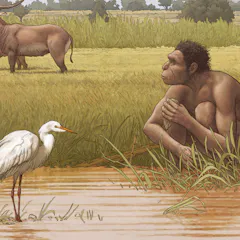
If scientific research is to take decolonization seriously, names for species should reflect this approach and consider the political, social and emotional implications.
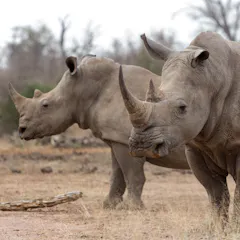
The 15th UN biodiversity conference recently wrapped up the online portion of negotiations.
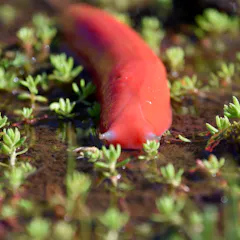
After more than 300 years of effort, scientists have documented fewer than one-third of Australia’s species. The remaining 70% are unknown, and essentially invisible, to science.
Top contributors
-

Professor of Conservation and Sustainable Livelihoods, Charles Darwin University
-
Adjunct Assoc. Professor, The University of Western Australia
-
Director of the Australian National Insect Collection, CSIRO
-
Director, Environment Institute, Adelaide University
-
Jenny Graves is a Friend of The Conversation.
Distinguished Professor of Genetics and Vice Chancellor's Fellow, La Trobe University
-
Emeritus Professor, University of Cape Town
-
Professor in Conservation Science, School of the Environment, The University of Queensland
-
Researcher of Ecology and Zoology, Universidad Nacional Autónoma de México (UNAM)
-
Department of Genetics, Universidade Federal do Rio Grande do Sul (UFRGS)
-
Senior Lecturer in Evolutionary Biology, Cardiff University
-
Adjunct Senior Research Fellow, The University of Western Australia
-
Professor of Zoology at the University of Fort Hare, University of Fort Hare
-
Senior Lecturer in Zoology, University of Hull
-
Professor, Biological Sciences Department, University of Cape Town
-
Professor, University of the Witwatersrand