
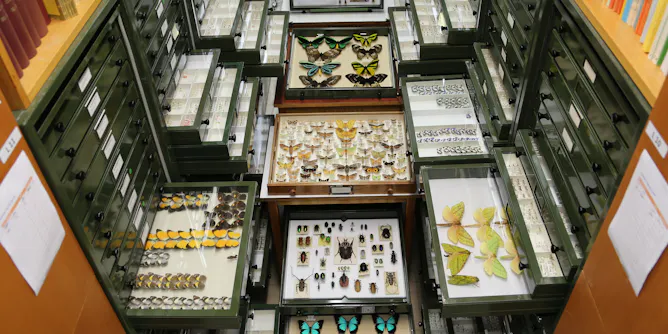
At least 100,000 insects are among the many Australian species still to be formally identified. That’s a problem for any biosecurity experts who need to be able to spot potentially invasive bugs.
Articles on Species
Displaying 81 - 100 of 110 articles
How did survivors of the Permo-Triassic Mass Extinction adapt to their new, harsh environment? And why is that knowledge so important for modern species?
What scientists first thought was an ancient species that had survived undiscovered for many millions of years, turns out to be part of something equally mysterious.

There are 6,000 named dragonfly species worldwide but recently 60 new species were found showing how much more we can learn.
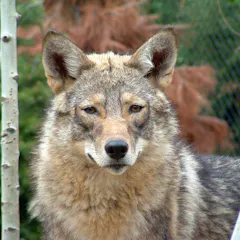
A wildlife biologist argues that the canid in eastern North America – known as the eastern coyote, or the coywolf by some – deserves to be classified as a separate species.
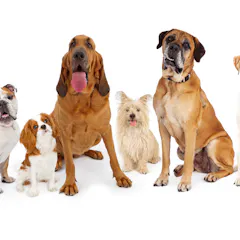
We’ve bred them into all shapes and sizes, but dogs haven’t been around for long enough to have evolved beyond Canis familiaris.
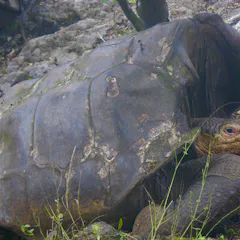
When 100-year-old giant tortoise Lonesome George died in 2012, the world thought his species was lost forever. We went to the Galápagos Islands looking for ‘extinct’ tortoises – and we found them.
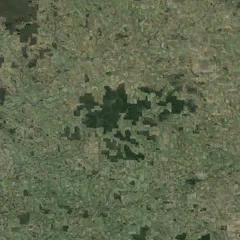
Australia may have reputation for vast areas of wilderness, but in reality the continent’s ecosystems have been chopped and diced. Now we need to protect what’s left.
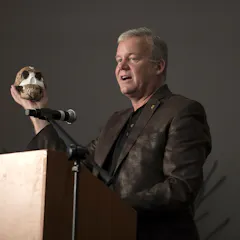
The big question being asked is: where does Homo naledi fit in the evolutionary tree? Assessing the similarity or dissimilarity between fossil skulls has provided a possible clue to the answer.
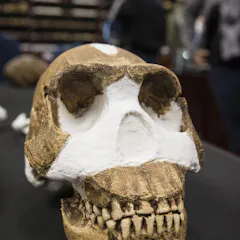
Despite claims about its age, puzzling combinations of features from Homo naledi gives it an uncanny resemblance to human beings.
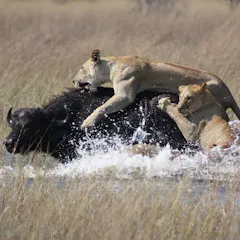
Being big – larger than a dog – increases the risk of being wiped out in a mass extinction.
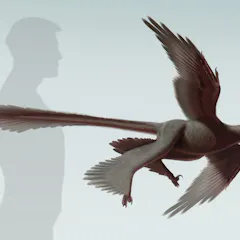
A dinosaur’s name says something about the dinosaur itself. They are grouped together according to similarities they share, which also indicates their ancestral relationships to one another.
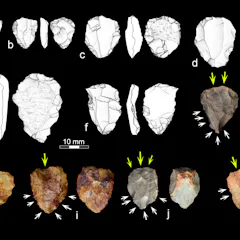
Stone tools have been integral to the way archaeologists have told the human story.
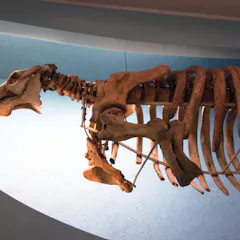
Analysis of extinction rates over the past centuries shows that humans are causing the sixth mass extinction in the history of the Earth.
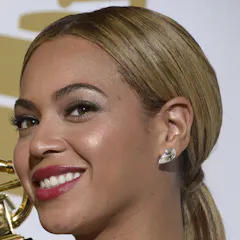
What do Beyonce, Hitler, David Attenborough, Darth Vader and GoldenPalace.com all have in common? They all have species named after them. In the case of Beyonce it is an Australian horse fly whose striking…

Despite its name, the Crimson Rosella is perhaps Australia’s most colour-variable bird and a cause of this striking and beautiful diversity seems to be a disease that’s potentially deadly to many other…
Egg-guarding fish are more likely to yield new species, but their disconnect from other fish populations makes them more…
A new sauropod dinosaur species, Leinkupal laticauda, has been discovered in Argentina. With the exception of Africa, diplodocids…
It’s not just the total number of species preserved that matters, it’s the number of key species. In a study on a US saltmarsh…
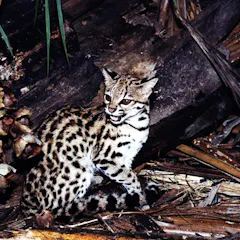
A new species of wild cat in central and north-eastern Brazil has been confirmed, according to a study published today in the journal Current Biology. This recognition formally separates the two known…
Top contributors
-

Professor of Conservation and Sustainable Livelihoods, Charles Darwin University
-
Adjunct Assoc. Professor, The University of Western Australia
-
Director of the Australian National Insect Collection, CSIRO
-
Director, Environment Institute, Adelaide University
-
Jenny Graves is a Friend of The Conversation.
Distinguished Professor of Genetics and Vice Chancellor's Fellow, La Trobe University
-
Emeritus Professor, University of Cape Town
-
Professor in Conservation Science, School of the Environment, The University of Queensland
-
Researcher of Ecology and Zoology, Universidad Nacional Autónoma de México (UNAM)
-
Department of Genetics, Universidade Federal do Rio Grande do Sul (UFRGS)
-
Senior Lecturer in Evolutionary Biology, Cardiff University
-
Adjunct Senior Research Fellow, The University of Western Australia
-
Professor of Zoology at the University of Fort Hare, University of Fort Hare
-
Senior Lecturer in Zoology, University of Hull
-
Professor, Biological Sciences Department, University of Cape Town
-
Professor, University of the Witwatersrand