
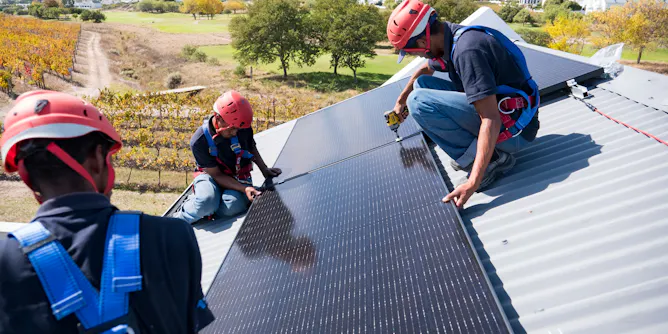
South African homes need two-way meters so that they can feed extra solar power from home systems and electric vehicles back to the grid.
Articles on Solutions
Displaying 41 - 60 of 135 articles
Climate change caused drought and flooding is damaging Nigeria’s staple foods, maize, cassava, millet and yam, smallholder farmers say.
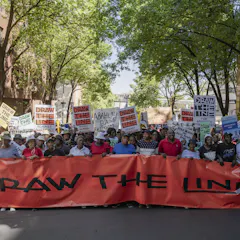
The G20’s new critical minerals framework wants to move Africa beyond raw exports so that mineral wealth creates jobs and growth on the continent.
Mangroves offer natural protection against flooding. Without them, communities are left vulnerable.

The G20’s legacy so far has been to preserve capitalist financial systems.
For the first time, countries now have a shared way to understand whether the world is actually improving at adapting to climate impacts.
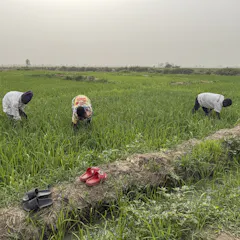
Climate-smart agricultural technologies increase crop sales revenue for farmers in the Sahel region.
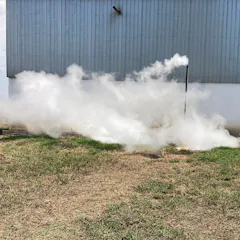
Wastewater heat recovery, which recycles hot water from drains to preheat new water, could cut coal use, lower carbon emissions, and create local jobs in Zambia.
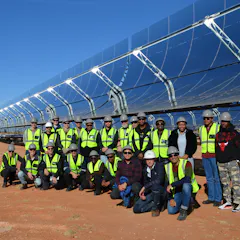
India links new rural power lines to solar projects, providing cleaner energy for farms, while South Africa has ways for communities to benefit from green energy profits.
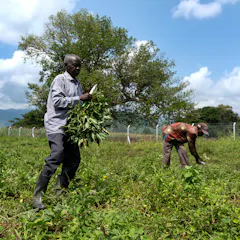
African farmers face rising climate disasters that destroy crops and livestock. The G20 must champion new, affordable tech-based insurance for them.
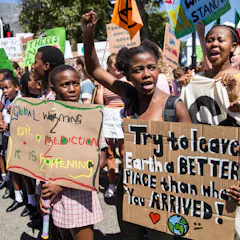
Young people are climate change activists, but largely excluded from global meetings, and aren’t taken seriously when they do get there.

South Africa’s G20 presidency is a chance to lobby for investment in drought-tolerant crops, better irrigation, and early warning systems.
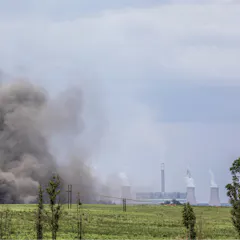
South Africa’s coal mines seem to be leaking far more methane than official records show.

An EcoBall match is a live demonstration of the circular economy.

Public ponds, fountains and new reflective buildings are needed to protect Yaoundé’s people from the heat island effect.
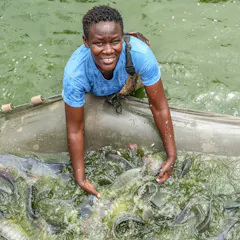
Africa’s small-scale aquaculture practitioners need cold storage facilities to stop their fish from going to waste.
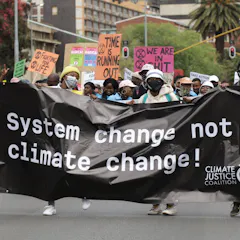
Recycling and cutting personal waste isn’t enough. Polluters must be regulated, and reparations paid by companies that have harmed the environment.
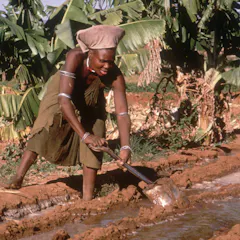
The G20 must collect ancient practices that can help the world withstand climate change so that this knowledge is available for future generations.

Africa’s second climate summit agreed that climate finance to Africa must be a legal obligation and that every country on the continent should have a climate law.

The Amadiba community in South Africa holds fast to traditional farming. They have also withstood pressure to mine their land.
Top contributors
-

Professor in Mechanical and Mechatronic Engineering, Stellenbosch University
-
Professor of Climate Change, Food Systems and Health and Director of The Lancet Countdown in Africa, London School of Hygiene & Tropical Medicine
-
Senior Lecturer at Oyo State College of Agriculture and Technology, Igboora, Nigeria and Extraordinary Senior Lecturer at Indigenous Knowledge Systems Centre, North-West University, Mafikeng, South Africa, North-West University
-
Ass. Professor, University of Maryland Eastern Shore; North-West University
-
Researcher, Centre for Global Change, Walter Sisulu University
-
Research Scientist: Centre for Global Change, Walter Sisulu University
-
Professor and Head of the Department of Geography, Geoinformatics & Meteorology, University of Pretoria
-
Senior research officer: Climate Adaptation in the African Climate and Development Initiative (ACDI), University of Cape Town
-
Researcher in Environmental Science, Rhodes University
-
Professor of Environmental Science, Rhodes University
-
Professor in Engineering, Stellenbosch University
-
Lecturer in the Department of Management, Uganda Management Institute
-
Professor in Operations Management, Trinity College Dublin
-
Senior Research Associate, University of Johannesburg
-
Research Associate, University of Oxford