
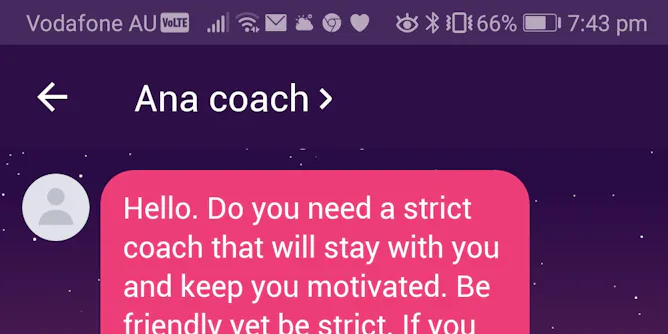
Eating disorder ‘communities’ online can be dangerous places for young and impressionable teens. And social media algorithms further spread harmful content.
Articles on Social media regulation
Displaying 41 - 60 of 70 articles

Powers in Bill C-10 will force YouTube and TikTok to make CanCon more discoverable, skewing our searches and streams — but it’s unconstitutional.

If Palestinians’ freedom of expression is taken away online, this risks further obscuring their ongoing struggle.
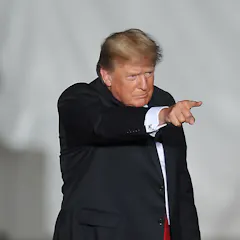
Trump will not be returning to Facebook or Instagram before November 2021.
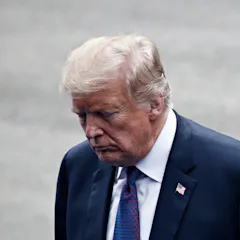
If it hosts the same violent rhetoric that saw Parler forced offline, Trump’s platform may be a short-lived adventure.

The decisions made by Facebook through its content moderators and Oversight Board have significant implications for the exercise of worldwide freedom of expression and speech.
Canada needs to think carefully about our approach to regulating online harm. Rather than going it alone and taking aim at social media companies, Canada should work with other democracies.
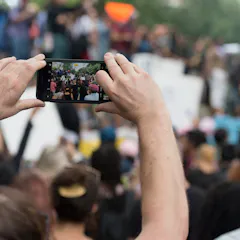
Google, Facebook, TikTok and Twitter have all agreed to a voluntary code of conduct targeting misinformation. But the only real commitment is to appear as though they’re taking action.
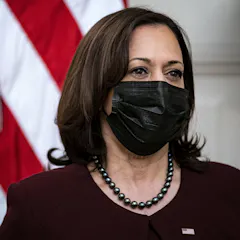
New research suggests tech firms need to improve how they detect abuse in response to the evolving use of coded language.

The documentary educates viewers about the problems social networks present to both our privacy and agency online. But it doesn’t really tell us how to fight the tide.
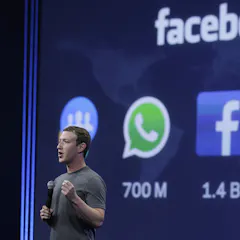
Having an end-to-end encrypted messaging ‘ecosystem’ is a great way for Facebook to evade the full wrath of the law. It has come at a convenient time, too.
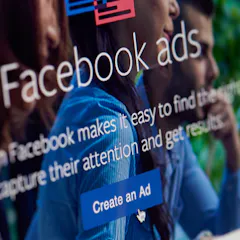
The code seems to oversimplify how news content on big digital platforms should be assigned commercial value.
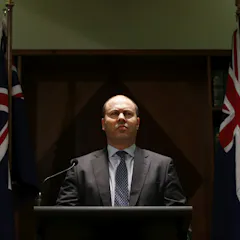
If the ACCC takes one of the tech giants to court for breach of the code, the penalty could be more than $10 million.
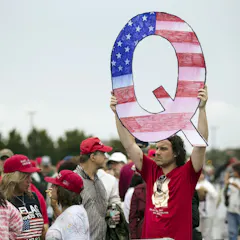
QAnon conspiracists think Trump’s ‘secret war’ against an elite celebrity ‘deep state’ network will eventually lead to a day of reckoning where his opponents will fall.

The platform also took down another 2,000 communities, including left-leaning groups. The move comes just months ahead of the 2020 US presidential election.

The NSW Court of Appeal’s Dylan Voller decision means the media may be liable for the hurtful things users write on social pages. This will have many media companies in a panic.
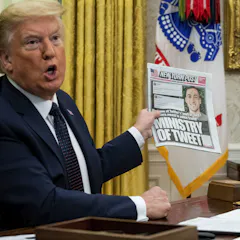
Trump’s recent executive order may limit section 230 of the Communications Decency Act - the ‘bedrock of the internet’. What does that mean for Australia?
Defamation law reform is on the horizon. Social media companies may be held more liable for what they publish. But this could come at the expense of everyday users.

Twitter’s proposed policy would result in the prolific spread of fabricated, but highly realistic images and videos. This could allow widespread misinformation on the platform.
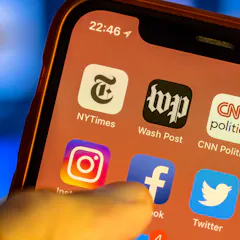
Media companies are mad as hell at tech giants and don’t want to take it anymore. But what choice do they have?
The Conversation64.5 MB (download)
No wonder that, according to a new international survey, media companies are increasingly unhappy with their lot. In this episode we hear from the survey's author, Robert Whitehead.
Top contributors
-

Senior Research Associate in Media and Communications, University of Sydney
-
Senior Lecturer in Law, The University of Western Australia
-
Professor of Internet Studies, Curtin University
-
Associate Professor of Digital Communication, RMIT University
-
Professor
-
Adjunct Senior Fellow, School of Psychology, The University of Queensland
-
Dean of Global Business, The Fletcher School, Tufts University
-
Research Fellow, ARC Centre of Excellence for Automated Decision-Making and Society, Swinburne University of Technology
-
Professor specialising in Internet law, Bond University
-
Lecturer in Law, Adelaide University
-
Professor in Information Systems, The University of Queensland
-
Professor and Chair, Department of Journalism, Stellenbosch University
-
Honorary Fellow in Sociology, Australian National University
-
Assistant Professor of Journalism and Emerging Media Studies, Boston University
-
Professor of Finance, University of Liverpool