
Montana has announced plans to ban the app from January 2024, making it a potential testing ground for a ‘TikTok-free’ America.
Articles on Social media regulation
Displaying 21 - 40 of 70 articles

Social media child influencers are increasingly marketing products normally targeted at adults, such as beauty and skincare items.

The explosive viral spread of the grainy but dramatic footage shows the limits of mainstream media ethics.
A key piece of federal law, Section 230, has been credited with fostering the internet and allowing misinformation and hate speech to flourish. Here’s how it could be reformed.

While Musk’s first steps as Twitter owner don’t inspire confidence, the platform continues to retain its original content moderation policies (for now).
Platforms have started a silent censorship war through this opaque (and often harmful) approach to content moderation.

Imposing outright social media bans can do more harm than good.
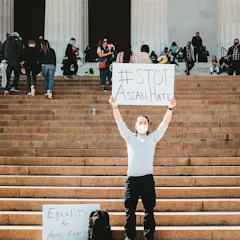
Anti-Asian memes spread on TikTok during the pandemic, and the potential for harm is real. It’s about time platforms scrutinised such ‘humour’ more closely.

South Africa has no comprehensive national media literacy programme. Often it comes down to individual teachers and schools to make learners more media literate.

Recently, concerns have been raised over the harm caused by misinformation in relation to the COVID-19 pandemic and federal elections.
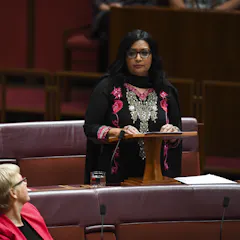
When Mehreen Faruqi first became the first Australian Muslim senator, she didn’t expect to receive the amount of abuse she did.
A Meta spokesperson told The Conversation non-news pages had been taken down by mistake. Whistleblower allegations contradict this.
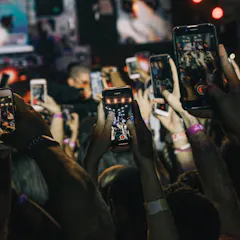
Elon Musk’s purchase of Twitter is seen as a threat to the digital public square. International regulation is required to protect internet users’ access to democratic public spaces.

The digital public sphere is constantly evolving, so we need a regulatory framework that helps to structure public discussion, and in turn guide our own public contributions as citizens.
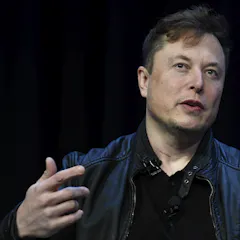
Elon Musk’s attempt to take over Twitter uses free speech as the motivation, but research shows that unregulated online spaces result in increased harassment for marginalized users.
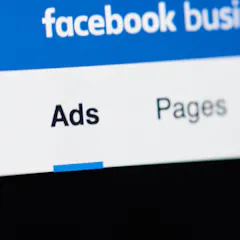
While the ACCC failed in a similar case against Google in 2013, there are some key details in this one which could give it more leverage.

A number of legal cases were brought forward by regulators this year, in a bid to hold major tech companies accountable.
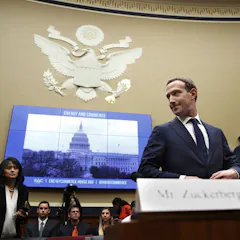
Pressure is mounting on Congress to take action on Facebook. Our panel of experts offers their top priorities: user control of data, banking-like oversight and resources to close the digital divide.
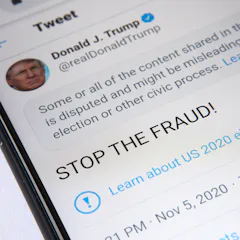
We all have biases that impact what information we choose to accept and reject. But there are some ways we can train ourselves to become more discerning.
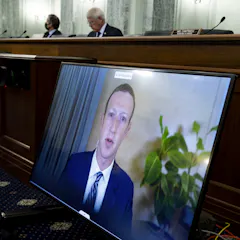
A terse piece of legislation from 1996 has been credited with creating the internet as we know it – and blamed for the flood of misinformation and other ills that have come with it.
Top contributors
-

Senior Research Associate in Media and Communications, University of Sydney
-
Senior Lecturer in Law, The University of Western Australia
-
Professor of Internet Studies, Curtin University
-
Associate Professor of Digital Communication, RMIT University
-
Professor
-
Adjunct Senior Fellow, School of Psychology, The University of Queensland
-
Dean of Global Business, The Fletcher School, Tufts University
-
Research Fellow, ARC Centre of Excellence for Automated Decision-Making and Society, Swinburne University of Technology
-
Professor specialising in Internet law, Bond University
-
Lecturer in Law, Adelaide University
-
Professor in Information Systems, The University of Queensland
-
Professor and Chair, Department of Journalism, Stellenbosch University
-
Honorary Fellow in Sociology, Australian National University
-
Assistant Professor of Journalism and Emerging Media Studies, Boston University
-
Professor of Finance, University of Liverpool