

As cities get smarter, we need to examine carefully who gets our data and what it is used for.
Articles on Smartphones
Displaying 201 - 220 of 371 articles

People in Appalachia are skeptical and cautious around technology – and how they think can be useful and instructive for living in a tech-centric world.
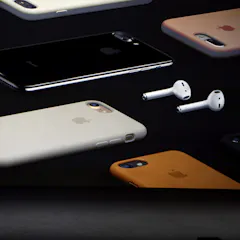
New research shows the impact of technology, especially smartphones, on carbon emissions. Encouraging consumers to get new phones every couple of years leads to extraordinary and unnecessary waste.

When thinking about regulating them, it’s useful to know Facebook, Amazon, Google, Apple and Microsoft have some similarities. But generally they’re not competing with each other – or anyone else.

Sound alerts on digital devices are often annoying, so we’ve tended to opt for silence. In future, that could hold us back.
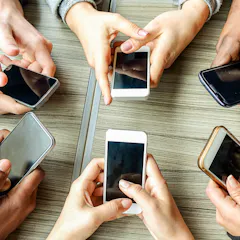
March 9-10 is a National Day of Unplugging, a 24-hour break from technology. Disconnecting from our devices is good for our health and our connections with loved ones and our communities.

The internet has revolutionised communication, but voice calls are declining in some demographics. And that means we may be losing out on a powerful part of what connects us to each other.
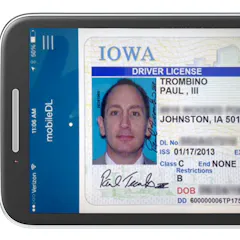
Smartphones are key elements of two-factor authentication processes. Weakening their security threatens people’s digital identities.

Teen sexting is on the rise. Boys and girls are equally likely to share sexually explicit imagery but girls report feeling more pressure to sext and more judgement about how they do it.

Clinically speaking, you can’t become addicted to a device, but you can develop behavioural addictions to smartphone functions.

It’s a big issue for users and the industry.

Smartphones are new tools for body rehabilitation, sports training and motor development.

It isn’t cheating, per se. But if you’re in a committed relationship and have multiple ‘back burners’ that you keep in touch with, is your relationship doomed?

Companies are compiling your smartphone data into shockingly intimate profiles that can be used against you.

It’s not just fitness trackers – mobile phones can reveal users’ whereabouts too, even with location tracking turned off.

Technology is changing how plant diseases are recognised and dealt with by small scale farmers in Africa.

The problem isn’t kids owning smartphones. But when daily use exceeds two hours a day, mental health issues start to crop up.

With studies from the past year exploring the relationship between smartphone use and mental health, sleep, learning and romance, a more nuanced portrait of the device has emerged.

Do you check your work email before you go to bed at night and first thing when you wake? How about on holiday? This is the effect of mobile working.

To counter the unbalanced effects of the digital age, reading literature is the key.
Top contributors
-

Professor of Psychology, San Diego State University
-
Professor & Director, Hub for Apple Platform Innovation (HAPI), School of Computing Technologies, RMIT University
-
Professor, Information and Communications Technology, CQUniversity Australia
-
Professor of Strategy, Frankfurt School of Finance and Management
-
Adjunct Senior Lecturer, Applied Ethics and CyberSecurity, Griffith University
-
Director of UWA Centre for Software Practice, The University of Western Australia
-
Professor, Computer Networking and Telecommunications, University of Salford
-
Assistant Professor of Psychology, Georgetown University
-
Lecturer in Software Engineering, Monash University
-
Professeur des universités physicien, Université Grenoble Alpes (UGA)
-
Associate Professor in Telecommunications Engineering, Swinburne University of Technology
-
Quality of life researcher and occupational therapist, The University of Queensland
-
Professor of Anthropology, UCL
-
Senior Lecturer in Networking, The Open University
-
Professor of Screen Media, King's College London