

Don’t throw away your phone quite yet. There are a lot of unanswered questions surrounding the latest study that found a connection between mobile phones and cancer.
Articles on Smartphones
Displaying 281 - 300 of 371 articles

Anecdotal evidence suggests the pervasiveness of smartphones is making us increasingly distracted and hyperactive. Does research support that conclusion?

We should fret less about what teenagers do with their phones, and spend more time talking to them about what the digital, connected future holds for them.
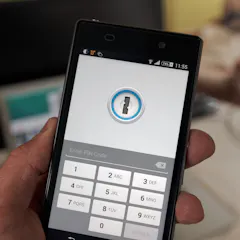
PIN codes, passwords, swipe patterns and biometrics can help secure your smartphone, but they’re far from foolproof.
Many of us are becoming addicted to social media, and it’s having a negative impact on our lives. Here are some tips to help you take back control.
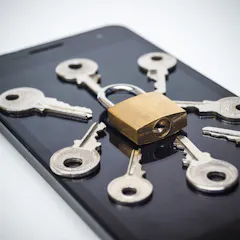
The FBI has accessed the data on a shooter’s iPhone. What if the device had been running Android?

After a selfie-snapping man was mauled to death by a bear, a psychologist wonders why people feel so compelled to capture and share images of themselves.
Philosophically speaking our smartphones could be seen as an extension of us. But where does that leave us legally?
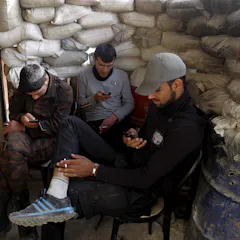
As usage continues to grow in the region, what’s the ongoing dynamic between the Middle East and social media? It’s complicated.

If we can solve the privacy issues, placing trackers on people and the things we make can teach us a great deal about ourselves and the world around us.
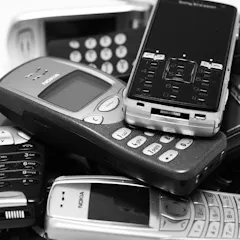
There are precious, and toxic, minerals in our old mobile phones. Far better to recycle them than dump them in the trash.

ABC’s Catalyst episode “Wi-Fried” claimed that mobile phones and Wi-Fi might be a cancer risk, but the leading experts are not so convinced.
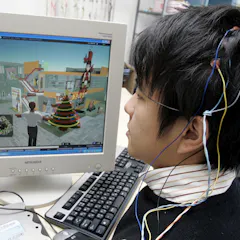
Educational technology is not science fiction. Lecturers need to ensure that they adapt to a future which has already arrived.

This year has already seen the first selfie movie, the first series to air on Instagram – mobile phones are increasingly playing a major role in the film world.
Huawei’s growth is another indication of how Chinese companies are successfully moving away from their traditional strategy of producing cheaper products.
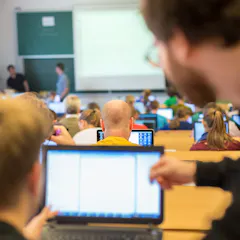
Technological and digital literacy are crucial for university students who hope to truly contribute to the world in the 21st century.

Researchers are piloting a smartphone app to collect better information about who is getting vaccinated and to design better incentives for health workers on vaccination drives.
Having ‘approved’ poor quality, privacy-busting and clinically dubious apps, the NHS Health App Library closes - but it didn’t need to be this way.

The American Academy of Pediatrics has called its guideline of two hours per day of screen time outdated. So what about the decades of research that led to the original recommendation?

If apps aren’t proven to make users’ mental health better they could end up making it worse.
Top contributors
-

Professor of Psychology, San Diego State University
-
Professor & Director, Hub for Apple Platform Innovation (HAPI), School of Computing Technologies, RMIT University
-
Professor, Information and Communications Technology, CQUniversity Australia
-
Professor of Strategy, Frankfurt School of Finance and Management
-
Adjunct Senior Lecturer, Applied Ethics and CyberSecurity, Griffith University
-
Director of UWA Centre for Software Practice, The University of Western Australia
-
Professor, Computer Networking and Telecommunications, University of Salford
-
Assistant Professor of Psychology, Georgetown University
-
Lecturer in Software Engineering, Monash University
-
Professeur des universités physicien, Université Grenoble Alpes (UGA)
-
Associate Professor in Telecommunications Engineering, Swinburne University of Technology
-
Quality of life researcher and occupational therapist, The University of Queensland
-
Professor of Anthropology, UCL
-
Senior Lecturer in Networking, The Open University
-
Professor of Screen Media, King's College London