
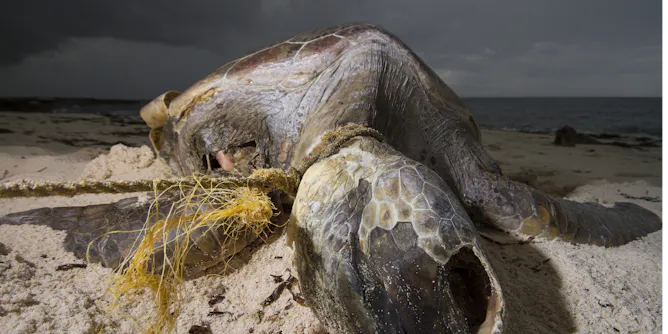
Remote islands in the Indian Ocean are now strewn with plastic waste – the origin of this waste has until now not been established.
Articles on Shipping
Displaying 101 - 120 of 217 articles
Companies around the world are rapidly reshoring factories, investing in new technologies and building their inventories – shifts that all mean higher costs for consumers.
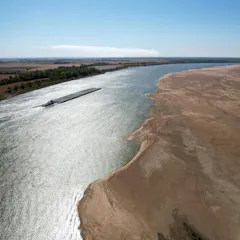
Record low water levels on the Mississippi and other major rivers, as seen in 2022, could become more common, threatening transportation of many key goods and raising prices.
Just like how tax evasion brought down Al Capone, denying Russian ships protection and indemnity insurance could deliver a crushing economic blow to Vladimir Putin.
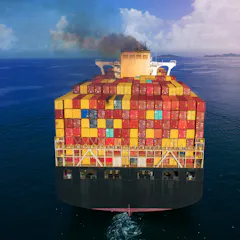
A lack of clarity over certain issues risks preventing the shipping industry’s energy transition from taking off.
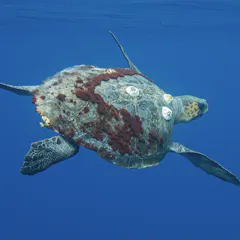
Standard marine protected areas with fixed boundaries can’t effectively shelter these ocean nomads.
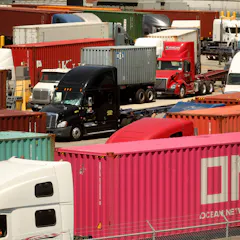
As California goes on regulating air pollution, other states often follow – including the Golden State’s ambitious goals for cleaning up emissions from trucking.
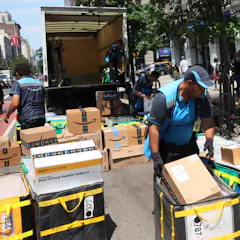
The rise of e-commerce means billions of packages are delivered in the US each year. That creates traffic and pollution, but urban freight researchers are finding better way to get goods to customers.
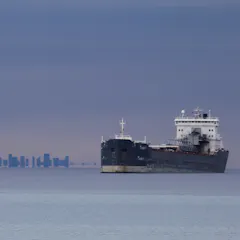
Ballast water release from ocean vessels has been a major source of invasive species in the Great Lakes for over 60 years.
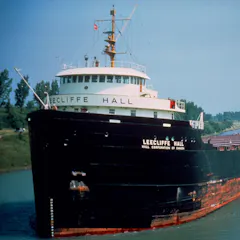
The St. Lawrence is one of the most difficult rivers in the world to navigate. It has been the site of collisions, groundings and shipwrecks. Several thousand wrecks lie beneath its surface.
Russian President Vladimir Putin has not hesitated to use energy as a weapon. An expert on global energy markets analyzes what could come next.
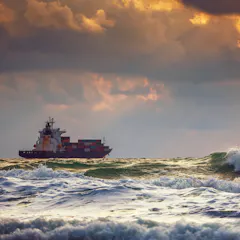
The maritime and port industries are integrating climate change into their business models and introducing different adaptive measures.
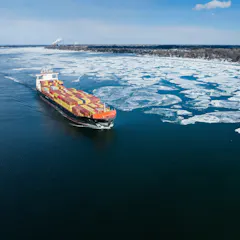
Approximately 8,000 merchant vessels travel the St. Lawrence each year. Its ports have become the catalysts that link trade, development and industrial innovation.
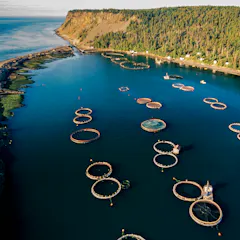
Ocean equity will be the key for achieving blue economies in Canada and the world
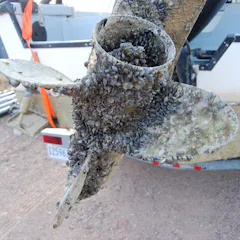
Zebra and quagga mussels entered the Great Lakes in large ships’ ballast water. Now, local boaters and anglers are spreading them into the southern and western US.
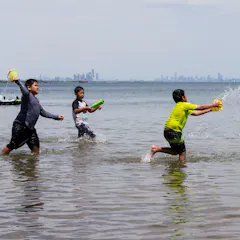
Cleaning up the Great Lakes was a big job when the US and Canada undertook it in 1972. Today it’s far more challenging.
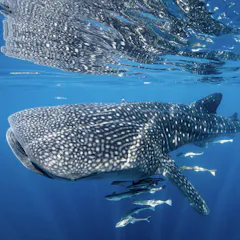
Plankton-eating sharks are struggling to navigate crowded ocean highways, a new study suggests.
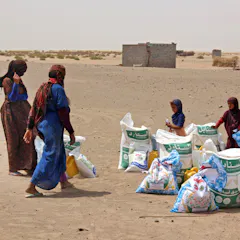
Grain and fertilizer shortages, higher shipping costs and a strong dollar are all pushing food prices up and increasing hunger in dozens of vulnerable countries.
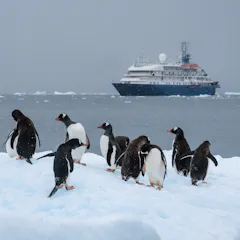
New research maps how ship traffic connects Antarctica to worldwide ecosystems.
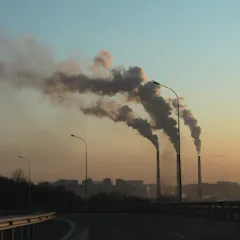
For the UK to achieve its net zero targets, it needs to take action on its carbon-intensive, poorly regulated supply chains.
Top contributors
-

Senior Lecturer in Culture & Climate, The University of Melbourne
-
Lecturer in Sustainable Freight Transport and Logistics, University of Leeds
-
Eugene M. Isenberg Chair in Integrative Studies, UMass Amherst
-
Reader in Energy and Transport, UCL
-
Research Associate, Shipping and Climate Change, University of Manchester
-
Associate Professor in Operations and Supply Chain Management, UTS Business School, University of Technology Sydney
-
PhD (Maritime Security)
-
Professor of Climate Science and Energy Policy, University of Manchester
-
Assistant Professor in Circular Supply Chains, University of Bradford
-
Associate Professor of Business, University of Tennessee
-
Senior Lecturer in Ocean and Earth Science, University of Southampton
-
Professor of International Relations, University of Copenhagen
-
Associate professor, Royal Danish Defence College
-
Professeur émérite de géographie, Université de Montréal
-
Professor of Practice & Director, Fletcher Maritime Studies Program, The Fletcher School, Tufts University