
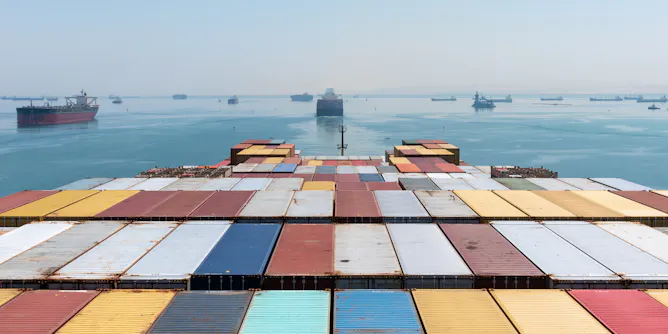
An Iran-aligned group has attacked ships in the Red Sea that it believes are heading to Israel, causing several companies to pause or divert shipments.
Articles on Shipping
Displaying 81 - 100 of 217 articles

A US-led naval taskforce has deployed in the Red Sea and is considering strikes on rebel positions in Yemen.

Piracy off the Somali coast remains a high-risk undertaking with a low probability of success.
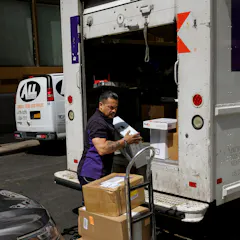
Rethinking seasonal workers’ roles would help parcel delivery companies save time and money − and boost morale, too.
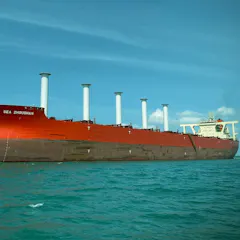
Modern mariners can harness trade winds to reduce carbon emissions.
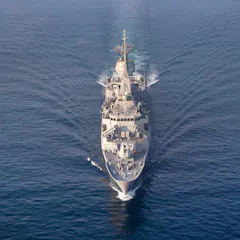
Australian navy divers have suffered minor injuries from a sonar pulse by a Chinese navy vessel. Here’s what that means and how underwater sound can hurt divers.
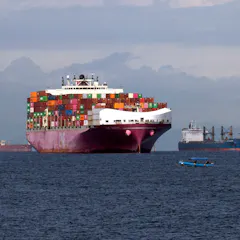
Smart water management isn’t just good for the earth. It’s good for business.
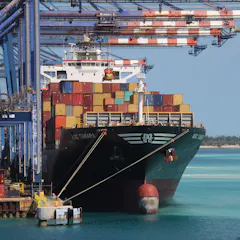
As global warming accelerates, a new study indicates that new trading patterns could develop as an adaptation strategy.
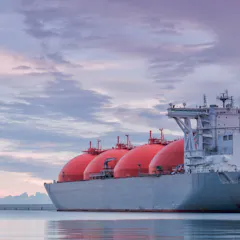
LNG carriers were delayed in unloading in EU ports because there weren’t enough terminals to process the fuel.
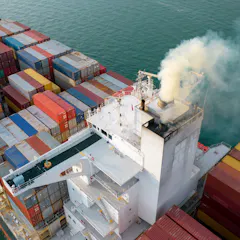
Shipping companies are turning the tanker too slowly to decarbonise on time.

The success of the Somali case illustrates what a high degree of shared interests among international actors can achieve.

We need a new agreement between employers and employees in the B.C. ports that will allow both sides to enjoy the benefits of new workplace technologies.
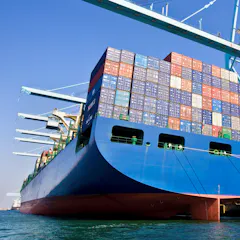
International shipping is a big contributor to climate change, and it doesn’t change quickly, but its companies are starting to invest in cleaner fuels.

Talks between the the International Brotherhood of Teamsters and company bosses have broken down. A supply chain expert explores what could happen next.
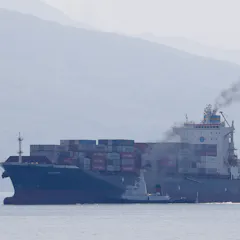
Growing ship numbers and reductions in the industry’s total emissions add up to big emission cuts per ship – as much as 60% by 2030 and 91% by 2040. The days of fossil-fuelled ships are now numbered.
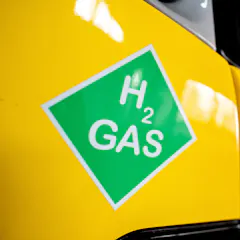
Currently, most hydrogen is produced using fossil fuels but the falling cost of renewables and growing demand for energy have added momentum for clean hydrogen.

Returns are becoming a costly sustainability problem for retailers and the planet. A supply chain expert explains.
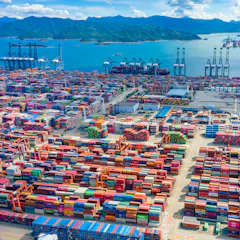
Four graphs that show us how humanity’s impact on the planet is growing.
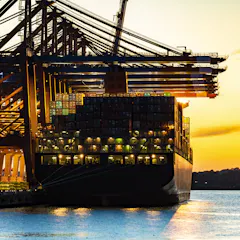
Shipping companies have billions invested in fleets that were built to last decades. Now, the US is calling for zero emissions by 2050, and the EU is raising the cost of fossil fuel use.
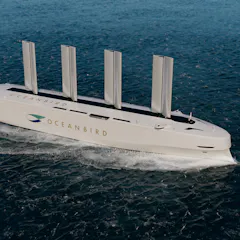
A growing source of global emissions is the ships that carry most of the goods we consume. A 21st-century generation of cargo ships propelled by the wind can reverse this unsustainable trend.
Top contributors
-

Senior Lecturer in Culture & Climate, The University of Melbourne
-
Lecturer in Sustainable Freight Transport and Logistics, University of Leeds
-
Eugene M. Isenberg Chair in Integrative Studies, UMass Amherst
-
Reader in Energy and Transport, UCL
-
Research Associate, Shipping and Climate Change, University of Manchester
-
Associate Professor in Operations and Supply Chain Management, UTS Business School, University of Technology Sydney
-
PhD (Maritime Security)
-
Professor of Climate Science and Energy Policy, University of Manchester
-
Assistant Professor in Circular Supply Chains, University of Bradford
-
Associate Professor of Business, University of Tennessee
-
Senior Lecturer in Ocean and Earth Science, University of Southampton
-
Professor of International Relations, University of Copenhagen
-
Associate professor, Royal Danish Defence College
-
Professeur émérite de géographie, Université de Montréal
-
Professor of Practice & Director, Fletcher Maritime Studies Program, The Fletcher School, Tufts University