
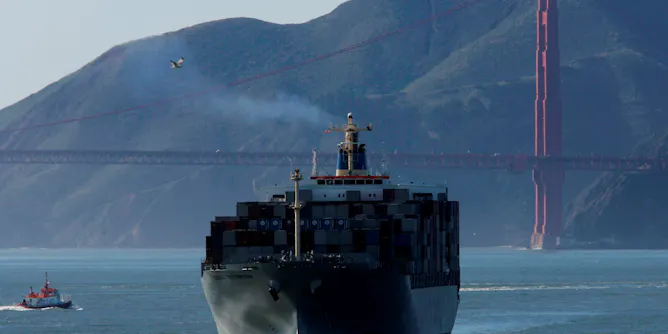
The maritime pollution that drifts to dry land, causes an estimated 400,000 premature deaths and 14 million cases of childhood asthma each year.
Articles on Shipping
Displaying 181 - 200 of 217 articles
The shipping industry can learn from oil spills – if it wants to.
Smuggling, piracy and sanctions-busting are all part of life on the ocean wave.
The 20th century was marked by a painful decline in UK shipbuilding, but it’s time to leave the past behind.

China’s bid for an infrastructure blitz to drive overland trade through to Europe will end up being overshadowed.
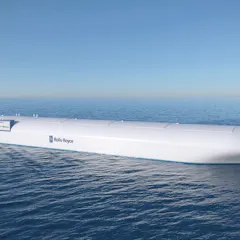
It’s not all plain sailing when it comes to autonomous ships – they could make accidents at sea more severe and even end up being more expensive to run.
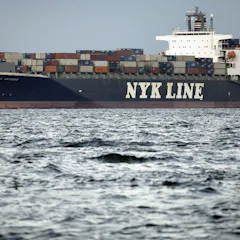
The successful prosecution of the first criminal cartel case may be seen as a vindication of the decision to criminalise cartel conduct.
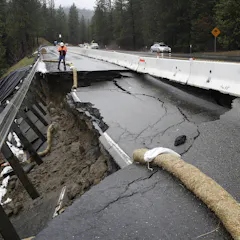
The American Society of Civil Engineers gives US infrastructure a D+. What is it that we’re doing wrong?
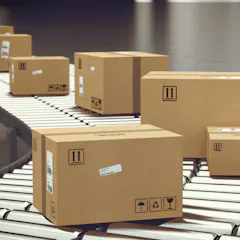
Research shows consumers value speed when it comes to shopping. Australian retailers need to react or they will lose.

When planning major infrastructure investments, it’s important to know which road, freight and information networks are most important – and which proposals might make things worse, not better.
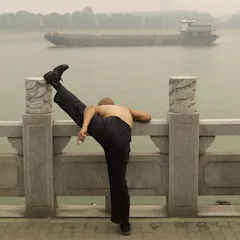
The merchant navy – some 20,000 ships – carries the vast majority of trade goods around the world. Unfortunately, they also spew toxic pollutants that harm people and the environment.
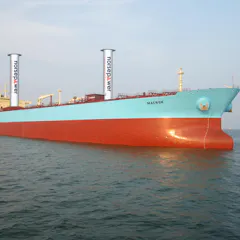
Engineers are hoping to iron out a century-old technology that could reduce shipping emissions.
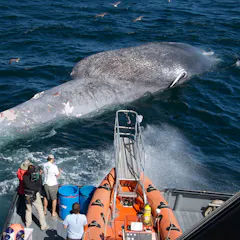
Ships in Australian waters are getting bigger and more numerous all the time. We need a plan to help them avoid crashing into whales and other large sea creatures.
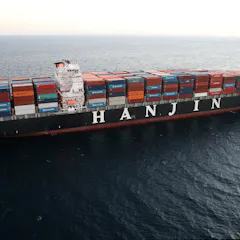
South Korean Hanjin Shipping has ships and crews stranded in ports around the world as creditors and customers wait to see if the company can be saved.

The Panama Canal just celebrated the opening of its new expansion, which incorporates several engineering marvels to allow it to finally support the super-sized cargo ships that dominate shipping.

On Q&A, an unemployed merchant seafarer said Australian seafarers could replaced by foreign seafarers working on 457 visas, working for as little as $2 an hour. We check the facts.
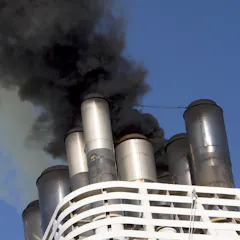
The IMF wants a levy on ship and plane fuel, but that won’t magically create low-carbon alternatives.

The 2011 Japan tsunami illustrates how more marine creatures are crossing the oceans than ever before - and not all of them are friendly travellers.
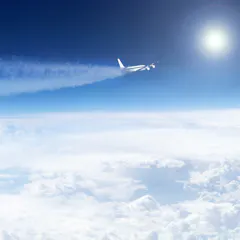
If shipping and aviation don’t rein in their emissions it could seriously jeopardise our goal of preventing more than 2°C of warming.
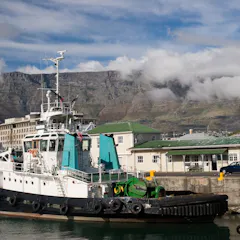
South Africa’s oceans economy can contribute R177 billion to the GDP and create up to one million new jobs by 2033. But this requires more skilled people to drive the growth.
Top contributors
-

Senior Lecturer in Culture & Climate, The University of Melbourne
-
Lecturer in Sustainable Freight Transport and Logistics, University of Leeds
-
Eugene M. Isenberg Chair in Integrative Studies, UMass Amherst
-
Reader in Energy and Transport, UCL
-
Research Associate, Shipping and Climate Change, University of Manchester
-
Associate Professor in Operations and Supply Chain Management, UTS Business School, University of Technology Sydney
-
PhD (Maritime Security)
-
Professor of Climate Science and Energy Policy, University of Manchester
-
Assistant Professor in Circular Supply Chains, University of Bradford
-
Associate Professor of Business, University of Tennessee
-
Senior Lecturer in Ocean and Earth Science, University of Southampton
-
Professor of International Relations, University of Copenhagen
-
Associate professor, Royal Danish Defence College
-
Professeur émérite de géographie, Université de Montréal
-
Professor of Practice & Director, Fletcher Maritime Studies Program, The Fletcher School, Tufts University