
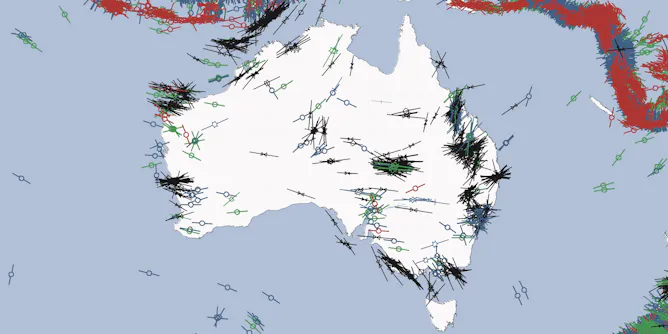
Australia is a long way from the tectonic plate boundaries where most earthquakes happen – but we can’t escape the forces they create.
Articles on Seismic activity
Displaying all articles
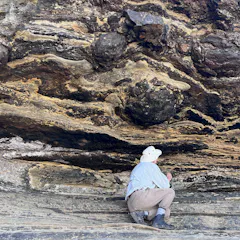
Dinosaur tracks were found in a rugged, remote coastal South African setting.
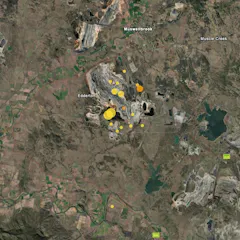
Since last Friday, more than 20 seismic events have rattled the earth near the Mount Arthur coal mine in New South Wales.

The earthquake, one of New Jersey’s largest on record, could be felt from Maryland to Boston. But don’t read too much into it.
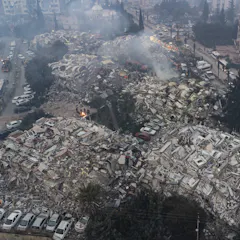
An earthquake expert explains why the death and devastation have been so terrible in Turkey and Syria
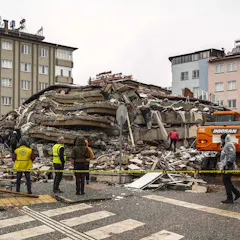
When Monday’s earthquake struck, many poorly constructed buildings suffered a ‘pancake mode’ collapse.
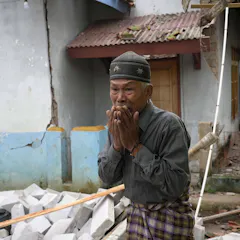
The Java quake was so devastating in part because it occurred so close to the surface.
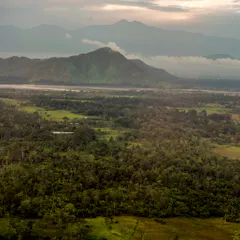
Oral histories talk about a major tectonic event 250 years ago, which changed the course of a river flowing through Lae today.

When researchers look at CCTV footage of how people really react during earthquakes – as opposed to what they report after the fact – it looks like alerts aren’t yet inspiring protective action.
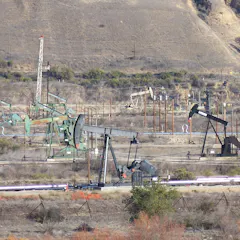
California was thought to be an exception, a place where oil field operations and tectonic faults apparently coexisted without much problem. Not any more.
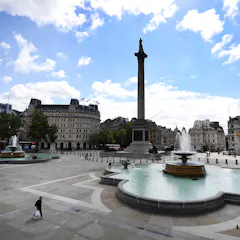
Measuring seismic noice could show whether people are following future lockdown measures.
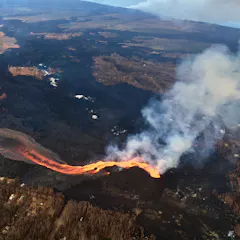
Scientists say they’ve found a new method to help predict when volcanoes will erupt, based on data crunched from an eruption last year in Hawaii.
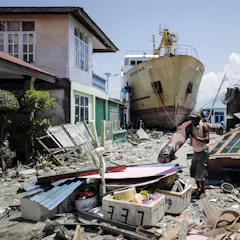
The early warning system installed after the 2004 Boxing Day tsunami hasn’t lived up to expectations.
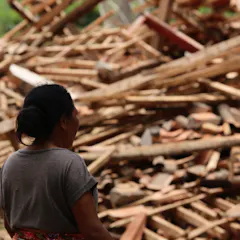
Researchers are using a rubber-soil mixture to make earthquake-proof foundations.
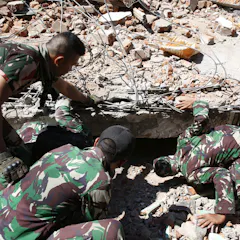
As Indonesia reels from two deadly earthquakes, it’s time to rebuild smarter and stronger.
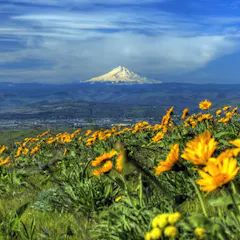
A new array of seismometers provides a glimpse of what’s happening deep beneath this geologic fault. New data help explain why the north and south of the region are more seismically active than the middle.
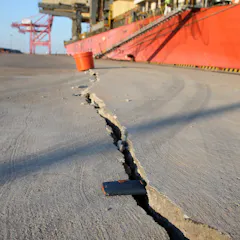
Two separate studies have concluded that fracking was the likely cause of a fault line rupture, precipitating the 5.5 earthquake.
Top contributors
-

Professor, Australian National University
-
Earthquake Scientist, Monash University
-
Reader in Physical Geography, University of Dundee
-
PhD Resarcher, Edinburgh Napier University
-
PhD Student in Earth Sciences, University of Oregon
-
Senior Research Fellow, School of Engineering, University of Glasgow
-
Professor of Earthquake Science, The University of Melbourne
-
Research Fellow in Computational Seismology, UCL
-
Associate Professor in Earth Sciences, University of Tasmania
-
Professor of Structural Geology, Durham University
-
Senior Seismologist, Geoscience Australia
-
Assistant Professor of Seismology, University of Memphis
-
Professor of Earth Sciences, University of Oregon
-
PhD Candidate, Earth Sciences, Australian National University
-
Royal Society University Research Fellow & Associate Professor of Geophysics, University of Oxford