

Five climate-sensitive infectious diseases exist in the Torres Strait. Traditional Owners are calling on the UN for action.
Articles on Sea levels
Displaying 21 - 40 of 94 articles

New research shows how fibre-optic cables can monitor the hidden structure of glaciers, teaching us about past and future ice flow.
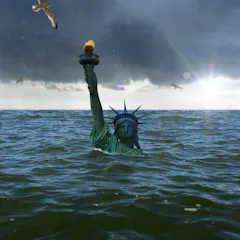
Cultures worldwide are awash with tales of great floods. What can they tell us about the reality of a wetter world?
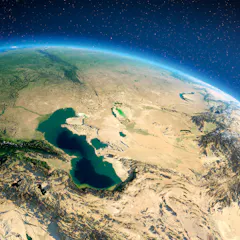
Climate change means more water is evaporating than is flowing in.
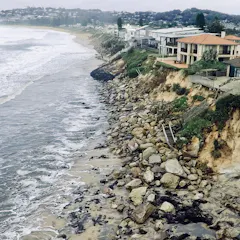
In Australia, coastal flooding is expected to be worse along the northern coast in Queensland, Western Australia and the Northern Territory.
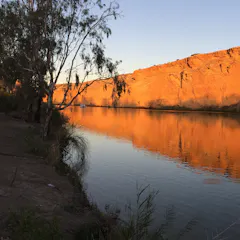
The findings point to how Australia’s most important river system might be altered by future sea level rise.
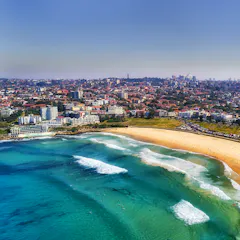
A new study has reported the world will lose almost half of its valuable sandy beaches by 2100 as sea levels rise. But cutting our emissions could keep some intact.

A paleooceanographer describes her ninth sea expedition, this time retrieving cylindrical ‘cores’ of the sediment and rock that’s as much as two miles down at the ocean floor.
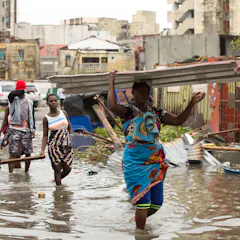
Cyclone Idai hit poor countries the hardest and shows why disaster resilience is a necessity.
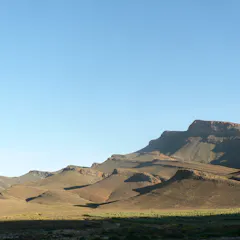
A record of sea-level change from 400 million years ago in South Africa, reveals how ecosystems and environments collapsed at the South Pole.
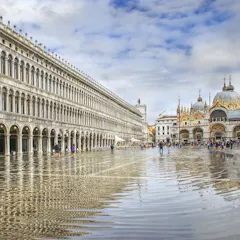
For many world heritage sites, flood risks are increasing. But what about places that don’t have the funds for protection?
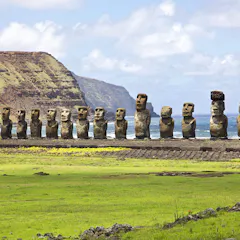
While extreme weather conditions represent a considerable challenge globally, some communities have been living with (and adapting to) similar events for centuries.
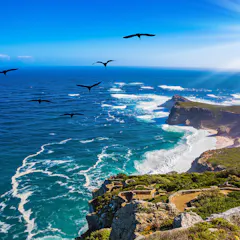
Research says South Africa’s picture perfect weather conditions are a tourist’s dream.
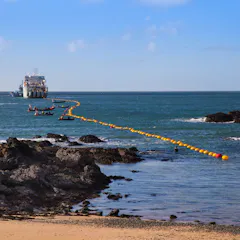
Comparing the locations of key internet data centers and cable routes with maps of expected sea-level rise suggests it’s time to shore up internet connections in the face of a changing climate.
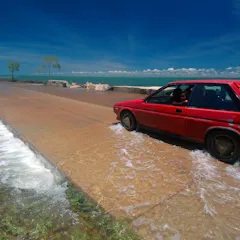
King tides and rising seas are an increasing and predictable threat, but adaptation plans to limit the damage to coastal property are still not managing the political obstacles.
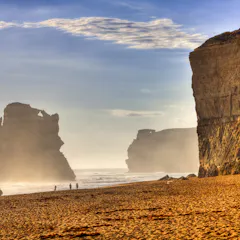
People have been forced to move in the past thanks to changes in sea levels that affected Australia’s coastline.
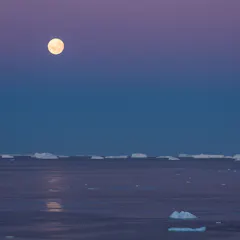
Warm waters run very deep.
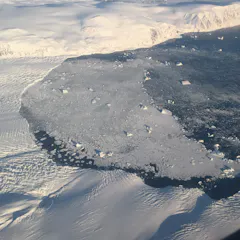
Greenland’s ice is largely responsible for the accelerating pace of sea-level rise. A new analysis shows that, while Greenland accounted for just 5% of the rise in 1993, that figure rose to 25% by 2014.
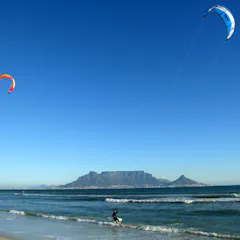
South Africa’s weather is very attractive to international visitors. Climate change could alter their perceptions unless mitigation strategies are put in place.
At 2°C of warming and beyond, many megacities will have to cope with increased flood-risk.
Top contributors
-

Chair Professor, Climate Change Research Centre, UNSW
-
Principal Research Scientist, CSIRO
-
Professor of Polar Geodesy and ARC Laureate Fellow, University of Tasmania
-
Managing Director, Triple Helix Consulting; Honorary Professor, ANU Fenner School for the Environment and Society, Australian National University
-
Professor in Tourism Geography, University of Johannesburg
-
Professor of Glaciology, Fulbright Scholar, University of Tromsø
-
Industry/Professional Fellow, Institute for Sustainable Futures, University of Technology Sydney
-
Lead - Pilot Deployments Program (AIMS); Professor (Queensland University of Technology; Adjunct), Queensland University of Technology
-
Professor of Physical Geography, University of the Witwatersrand
-
University Associate, Institute for Marine and Antarctic Studies, University of Tasmania
-
Associate Professor of Climate Adaptation, University of Tasmania
-
Sean Ulm is a Friend of The Conversation.
Director, ARC Centre of Excellence for Indigenous and Environmental Histories and Futures, James Cook University
-
Director, Archaeology Institute, University of the Highlands and Islands
-
Senior Lecturer, School of Geography, Planning, and Spatial Sciences, University of Tasmania
-
Adjunct Research Fellow, Te Herenga Waka — Victoria University of Wellington