
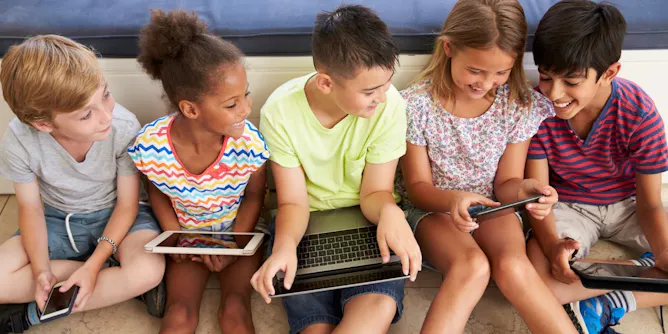
The COVID-19 pandemic has resulted in children spending more time on digital devices, which may have a long-term impact on their vision, including the risk of myopia.
Articles on Screen time
Displaying 81 - 100 of 159 articles

In the second phase of the Growing Up Digital study, researchers surveyed nearly 2,500 parents, grandparents and caregivers about children’s use of digital media and technologies.

Too much time sitting is linked to health risks, and also to lower quality of life. But in some contexts, such as reading, playing an instrument or socializing, sitting had positive associations.
Many parents install apps onto their kids’ phone to restrict their online activity, especially if it may be dangerous. But a lot of personal data requested by the apps is sold to third parties.
Staring at screens for long periods of time — as we are during the pandemic — can reveal previously undiagnosed eye problems.
A psychologist explains why certain goals may be more effective than others in breaking screen habits.

Too much screen time doesn’t leave enough time for other important parts of growing up. Predicting which little kids will likely grow into heavy tech users could help target educational campaigns.

During lockdowns, we live our lives through our screens. Here, tech experts share their tips on when - and how - to switch off.

The women in our study knew that play was important, although they didn’t see it as an independent behaviour to be encouraged or promoted.
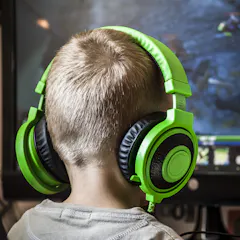
Digital play can be a great substitute for play in the physical world. Research shows playing on a screen builds many of the same skills.
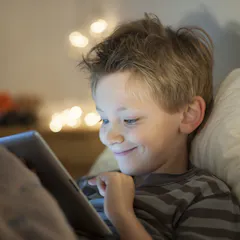
Children who ‘passively’ use screens are more likely to suffer academically, a study found. But there was no evidence of a link between video games and academic performance.
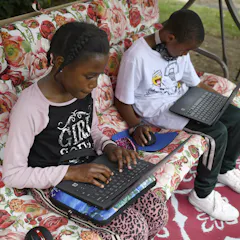
One big complication with K-12 distance learning is how hard it is to get children and teens to log in and do their schoolwork. But there are things teachers and families can do to help.

For starters, why not have Hollywood team up with teachers to make education more entertaining?
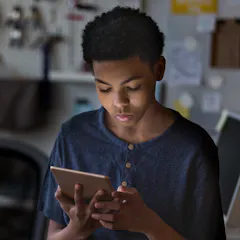
It’s worth going out of your way to ensure that kids practice interacting with others and maintain their friendships.

Video calls are not simply “screen time” for little kids. They offer an important opportunity for socialisation.
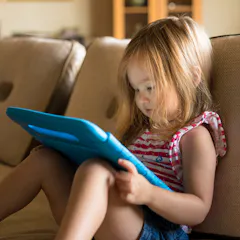
It’s more important than ever for families to develop new routines for staying physically and mentally healthy – and to address the part screens play in our lives.
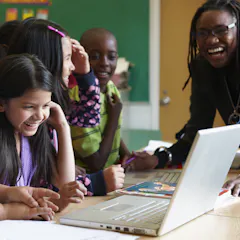
Understanding others’ emotions is a crucial social skill. Counter to concerns about screen time stunting kids’ development, one study suggests they’re getting better at recognizing emotion on screen.
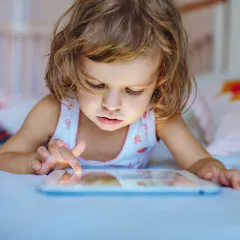
In the last two months, children have been encouraged to dive into digital like never before.
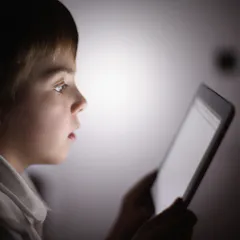
With online learning and social distancing, kids are spending more time staring at screens and less time outdoors. That can put them at higher risk of myopia and serious eye problems in the future.

A study asked 2,000 teachers and school leaders across Australia how students from primary school to year 12 have changed in the last five years, and what might explain these changes.
Top contributors
-

Professor of Psychology, San Diego State University
-
Researcher, Digital Wellbeing, Western Sydney University
-
Associate Professor, Education, University of Canberra
-
Professor, Canada Research Chair in Determinants of Child Development, Owerko Centre at the Alberta Children’s Hospital Research Institute, University of Calgary
-
Professor of Education, Australian Catholic University
-
Professeur Titulaire. École d'optométrie. Expertise en santé oculaire et usage des lentilles cornéennes spécialisées, Université de Montréal
-
Assistant Professor, Psychology, University of Waterloo
-
Research Fellow, Curtin University
-
Associate Professor, School of Psychology, Scientist, Children's Hospital of Eastern Ontario Research Institute, L’Université d’Ottawa/University of Ottawa
-
Associate Professor at MRC/Wits Developmental Pathways for Health Research Unit, University of the Witwatersrand
-
Senior Lecturer in Psychology, University of the Sunshine Coast
-
Professor of Reading and Children’s Development, The Open University
-
Assistant Teaching Professor of Rehabilitation and Human Services, Penn State
-
Professor of Physiotherapy, Curtin University
-
Professor of Psychology, Bridgewater State University