
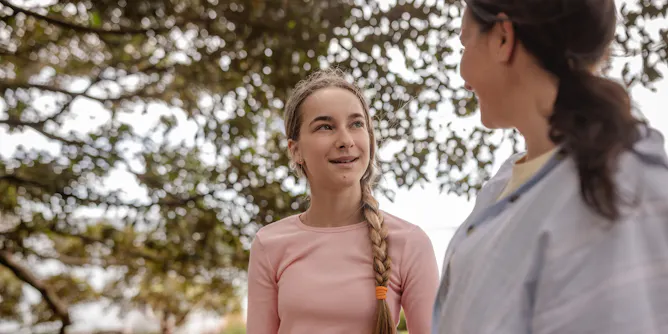
There is no single right age when children can spend time out with friends unsupervised. This can make it difficult to judge whether they’re ready.
Articles on Child development
Displaying 1 - 20 of 390 articles

Some experts believe what we are sometimes seeing today is not true gentle parenting, but rather an anxious drift into permissive parenting.
Moving away from familiar friends, neighbours, sports clubs and schools can be hard. But children can also develop positive ways to cope with change.
A study found 5-year-olds were more likely to cheat on a task after researchers told them they were smart.
Sometimes we think ‘if it feels scary, it must be unsafe’. But feeling nervous or excited is often part of the experience.
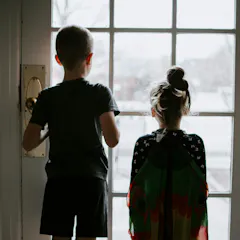
Caregivers often seek a specific age that their child can be left home alone. However, the neuroscience of brain development suggests that readiness depends on much more than a birthday.
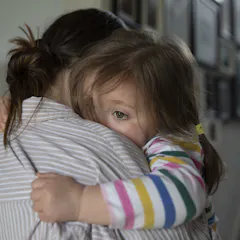
It’s okay if a child occasionally chooses one parent over the other. What matters more is whether the child has reliable relationships with both parents.
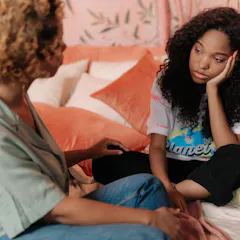
As a parent, it can be painful to witness our child’s struggles after rejection. But there are ways to help them process the setback.
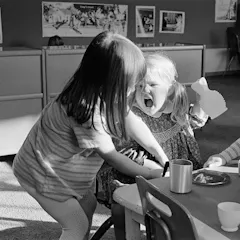
Caring for a toddler can be challenging and requires patience. Understanding the psychology behind a toddler’s actions can help weather some of the rockier days.
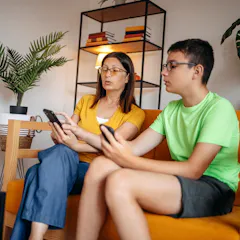
When phone use starts to affect our mood or interfere with relationships, it’s a sign our habits have crossed the line from healthy to unhealthy.

Supporters of the ban argue that kids need a break from constant phone notifications so they can focus on learning and social skills instead.

The US Supreme Court ruled that states could exclude transgender athletes from girls and women’s sports teams.
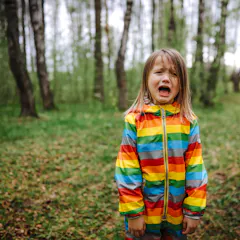
It’s a sentence that can feel heartbreaking to parents. You try to set a boundary with your little one and they lash out.
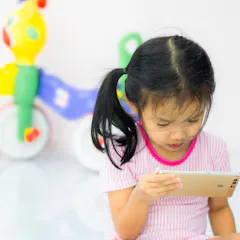
Different play experiences may provide different developmental opportunities.

The latest instalment of the film franchise addresses a dilemma many parents face: what happens to playtime when children become obsessed with screens?
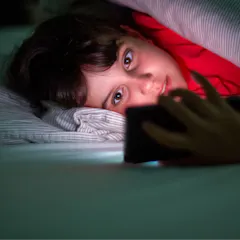
Sleep can be one of the trickiest things for families. New research closely examines the relationship between sleep and screen-use in young children.
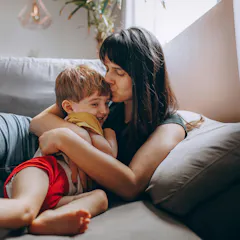
Your kids don’t need to know the ins and outs of why you’re separating. But being clear and involving them in decisions that affect them can help them adjust.

Do people have a natural aversion to putting in the effort or wasting effort?
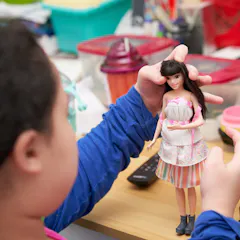
Playing with dolls may help children build empathy and better understand other people’s thoughts and feelings.

Let kids know beforehand what to expect in a service. A quiet warning before a loud noise, like a bugle call, can also help.
Top contributors
-

Professor, Canada Research Chair in Determinants of Child Development, Owerko Centre at the Alberta Children’s Hospital Research Institute, University of Calgary
-
Deputy Director, The Kids Research Institute Australia, Professor of Autism Research, The University of Western Australia
-
Associate Professor in Psychology, Deakin University
-
Professor of Clinical Neuropsychology, University of Cambridge
-
Postdoctoral Research Associate, Cognitive Neuroscience, University of Cambridge
-
Associate Professor of Developmental Psychology & Psychopathology, University of Leeds
-
Professor of Educational Psychology, University of Wollongong
-
Associate Professor, School of Psychology, Scientist, Children's Hospital of Eastern Ontario Research Institute, L’Université d’Ottawa/University of Ottawa
-
Professor of Science and Technology for Brain-Inspired Intelligence/ Computer Science, Fudan University
-
Director, Center for Community Child Health Royal Children's Hospital; Professor, Department of Paediatrics, University of Melbourne; Theme Director Population Health, Murdoch Children's Research Institute
-
Associate Professor, Department of Psychology, University of Essex
-
Assistant Professor in Psychology, Bond University
-
Senior Industry Fellow, School of Education, RMIT University
-
Associate professor, Monash University
-
Inaugural Roberta Holmes Professor, La Trobe University