

Many parents might be concerned about the time their teens spend online. However, by modelling healthy online behaviours and habits can set an example their kids can follow.
Articles on Screen time
Displaying 41 - 60 of 159 articles

Audiobooks can develop children’s listening skills, expand their vocabulary and encourage independent learning.

Sleep habits can be improved by making shifts in both daytime and evening routines.

Children who play a lot learn skills such as sitting, crawling and standing quicker. Play also leads to better health and wellbeing as they grow older.

In our house, we watch Bluey guilt-free. Here’s why.

Many families want to set ground rules to reduce their screen time – and have time to connect with each other, without devices. Here’s where to start.

We tend to think when children are using screens, they are passive and sitting still. But they can move in response to what they watch. Or get inspiration for what to play next.

During the pandemic, many people relied on social media for distraction and social connection. However, excessive social media use can negatively affect mental health, especially for young people.

For many families, there is a daily battle around getting kids off their screens and back into real life.

Researchers with expertise in parent-child relationships and child development offer 5 tips about how parents or caregivers can find a balance between children’s structured and unstructured time.

The good news is, it’s perfectly OK for children to watch and repeat. In fact, it can help them learn.

Researchers conducted in-depth interviews with 17 Philadelphia parents about how their family uses digital media. Here they offer tips to promote healthy, balanced media habits for kids.

Our study found abstaining from social media led to a reduction in positive emotions.

A meta-analysis of 34 studies has explored how disordered screen use may impact the cognitive performance of individuals.

A major study of screen use found it’s not the screen itself that really matters but what’s on it and the way kids use it.

Navigating disagreements about screens can provide parents with valuable opportunities to foster quality relationships and raise children who can manage themselves responsibly.
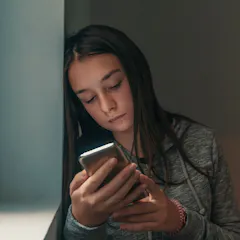
Teachers are reporting a perceived lack of social skill development in children and teens. How might excessive screen time affect this development?

Exposure to screens before bedtime can contribute to chronic sleep deprivation, which raises the risk for anxiety, depression and even suicidal thoughts.

Thanks to streaming services, mobiles and tablets, managing a sick child’s screen time has taken on a new dimension.

Parents spend more time actively engaged with their kids – such as helping with homework or reading together – during the school year than during summer. But the difference is almost three times greater for moms than for dads.
Top contributors
-

Professor of Psychology, San Diego State University
-
Researcher, Digital Wellbeing, Western Sydney University
-
Associate Professor, Education, University of Canberra
-
Professor, Canada Research Chair in Determinants of Child Development, Owerko Centre at the Alberta Children’s Hospital Research Institute, University of Calgary
-
Professor of Education, Australian Catholic University
-
Professeur Titulaire. École d'optométrie. Expertise en santé oculaire et usage des lentilles cornéennes spécialisées, Université de Montréal
-
Assistant Professor, Psychology, University of Waterloo
-
Research Fellow, Curtin University
-
Associate Professor, School of Psychology, Scientist, Children's Hospital of Eastern Ontario Research Institute, L’Université d’Ottawa/University of Ottawa
-
Associate Professor at MRC/Wits Developmental Pathways for Health Research Unit, University of the Witwatersrand
-
Senior Lecturer in Psychology, University of the Sunshine Coast
-
Professor of Reading and Children’s Development, The Open University
-
Assistant Teaching Professor of Rehabilitation and Human Services, Penn State
-
Professor of Physiotherapy, Curtin University
-
Professor of Psychology, Bridgewater State University