

Indigenous foods such as cowpeas can improve people’s nutrition and help them cope with the hunger brought about by the effects of COVID-19 on foreign food imports.
Articles on Science and innovation for development
Displaying 101 - 120 of 251 articles
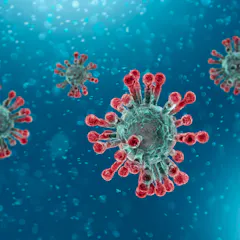
Occasionally, a mutation will give the virus a better chance of surviving and reproducing itself, and will result in a new population (known as a new lineage)
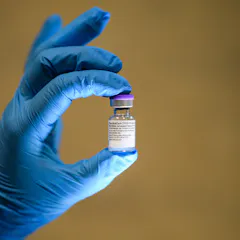
Giving money to support local production of COVID-19 vaccines is a step in the right direction if it will help in resuscitating Nigeria’s vaccine production laboratory.

The results indicate that the vaccine efficacy in the UK was 89% for individuals who received at least two doses of vaccine. In South Africa, the vaccine efficacy was 60% in people without HIV.
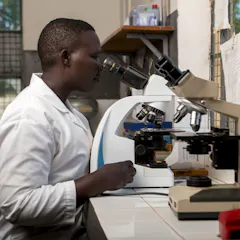
Many of these diseases cause tremendous suffering and death – yet there’s still a lack of effective tools to diagnose, treat, and prevent them.

Different energy technologies should be explored in Ghana to enhance clean fuel use.
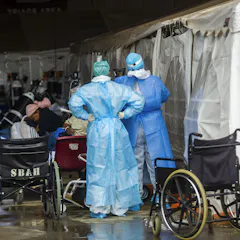
Scientists have observed that 501Y.V2 has quickly become “dominant” among multiple variants that have been circulating in the South African population.
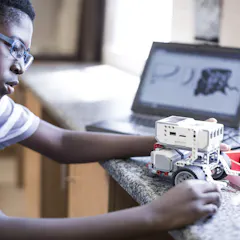
Data underlies the kinds of applications that are proposed for use in the country’s education system.

The built environment plays a pivotal role in lowering residents’ exposure to climate change driven risks.
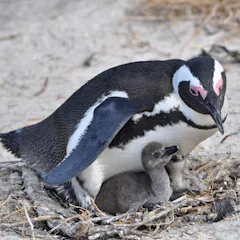
Penguins are sensitive to ecosystem changes such as reduction of available prey, pollution and climate change. Their presence and abundance is indicative of a healthy and balanced ecosystem.

The HIV/AIDS response played out over a much longer trajectory than COVID-19. But it is, in some respects, a shining example of what can be achieved when countries and people work together.

Extreme heatwaves aren’t systematically monitored in most countries in sub-Saharan Africa. This leads to unnecessary and premature deaths which are often unrecorded.
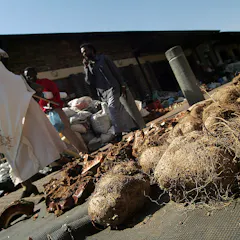
Currently there is no specific antiviral drug to treat COVID-19 and no vaccine to prevent it. Most treatment strategies focus on symptomatic management and supportive therapy.

It is essential to add genomic data from all global populations - including Africa. This will ensure that everyone can benefit from the advances in health.

Our findings suggest that cabotegravir is much more effective than Truvada in preventing HIV infection in women.
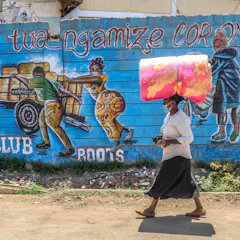
African countries have proven that they have the skills and expertise to provide local solutions to this global pandemic. They need to build on this success together to keep the pandemic at bay.

Digital contact tracing apps can successfully contribute to the management of viral outbreaks. These apps can even be designed to protect privacy rights and to work across borders.
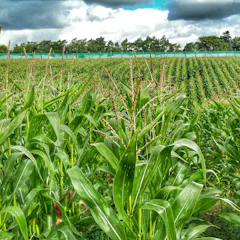
Rural communities are dynamic and complex. Imposing innovations that don’t speak to the needs of these communities will inhibit rural development.

Health surveillance assistants provide services in village clinics, mainly by assessing signs and symptoms in sick children. An electronic community case management app could make their job easier.

Universities that pay academics to publish their research should do so with caution.
Top contributors
-

Senior Lecturer International Law, Bioethics, Emerging Tech, University of KwaZulu-Natal
-
Fellow, Nigerian Academy of Science
-
Professor of medicine and deputy director of the Desmond Tutu HIV Centre at the Institute of Infectious Disease and Molecular Medicine, University of Cape Town
-
Professor of Organic Chemistry, Neville Isdell Chair in African-centric Drug Discovery & Development, and Director of the Holistic Drug Discovery and Development (H3D) Centre, University of Cape Town
-
Dean Faculty of Health Sciences and Professor of Vaccinology at University of the Witwatersrand; and Director of the SAMRC Vaccines and Infectious Diseases Analytics Research Unit, University of the Witwatersrand
-
Professor of the Practice of International Development, Harvard Kennedy School
-
Post Doctoral Fellow, University of KwaZulu-Natal
-
Professor in Biochemistry, Genetics and Microbiology, and Professor at Future Africa, University of Pretoria, University of Pretoria
-
Principal Medical Scientist and Head of Laboratory for Antimalarial Resistance Monitoring and Malaria Operational Research, National Institute for Communicable Diseases
-
Head of the Centre of Excellence for Biomedical TB Research, University of the Witwatersrand
-
Chair of Policy Innovation, School for Data Science and Computational Thinking, Stellenbosch University
-
Head of the Division of Pulmonology, University of Cape Town
-
Associate Professor, Cape Peninsula University of Technology
-
Professor and Chair of Genomic Diversity, Queen Mary University of London
-
Tutorial Fellow, School of Medicine, University of Nairobi, University of Nairobi