

Elephants naturally avoid cancer after 55 million years of evolution. Scientists are studying if they can extract lessons that could help people.
Articles on Science and innovation for development
Displaying 221 - 240 of 251 articles

Eliminating malaria in Africa has been held back by a range of factors, including a lack of funds and drug and insecticide resistance challenges.

Mosquitoes are controlled by insecticide treated nets to curb the spread of Malaria. The nets which are hung over beds can be reused after serving its purpose.

The power to overcoming Ebola was in public awareness by performing simple yet basic infection prevention and control measures like washing hands, isolation and reporting suspected cases.

The gains made towards eliminating malaria in endemic countries is being threatened by insecticide and antimalarial drug resistance.
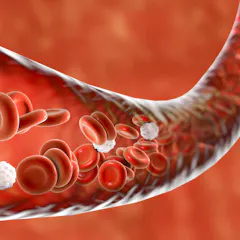
Circumcision is a rite of passage in various African communities. However, for initiates with haemophilia, extra caution needs to be taken to ensure their safety.

There’s a need for new anti-malarial agents due to some malaria drugs becoming ineffective in the fight against the disease.

Glaucoma is a slow and silent progressive disease and the second leading cause of blindness, that requires early diagnosis.

South Africa’s social grants, which benefit a third of the country’s population, are widely celebrated. But these grants fall far short of addressing the country’s malnutrition challenge.
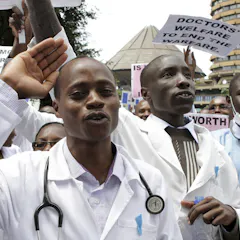
Kenya’s doctors embarked on a strike for a 100 days to push the government to implement a collective bargaining agreement signed in June 2013.

New technologies are developing with exponential velocity, breadth and depth. Their systemic impact is likely to be profound.

Drug-resistant TB is increasingly being transmitted, indicating that beating the problem requires public health interventions and support from communities.
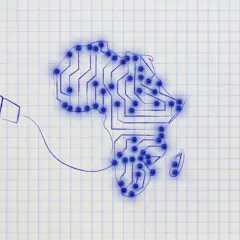
The new Internet of Things has the potential to compensate for Africa’s legacies of underdevelopment.

Infertility is tied to the instability of romantic relationships in Ghana.

Scientists have struggled to diagnose TB in people with compromised immune systems because of the low levels of the bacteria in their body.
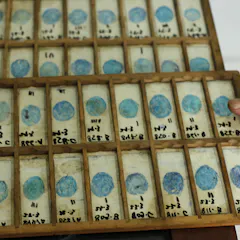
Advanced lab tests have entered the market to improve tuberculosis diagnosis. This will ensure prompt and correct treatment in managing the disease.

To tackle TB a dynamic change in discourse is needed. The focus must be on how to respond to emerging complexities the disease presents.

The discovery of a rare gene is twofold, and has a scientific and clinical impact in the fight against heart muscle disease.
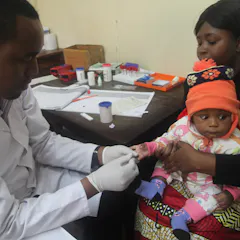
Kenyan tertiary institutions are learning from each other by sharing experiences on overcoming challenges they face during medical training.

In a political environment where voters are increasingly attuned to instances of polling malpractice, African states are grudgingly adopting technology as a barrier to election fraud.
Top contributors
-

Senior Lecturer International Law, Bioethics, Emerging Tech, University of KwaZulu-Natal
-
Fellow, Nigerian Academy of Science
-
Professor of medicine and deputy director of the Desmond Tutu HIV Centre at the Institute of Infectious Disease and Molecular Medicine, University of Cape Town
-
Professor of Organic Chemistry, Neville Isdell Chair in African-centric Drug Discovery & Development, and Director of the Holistic Drug Discovery and Development (H3D) Centre, University of Cape Town
-
Dean Faculty of Health Sciences and Professor of Vaccinology at University of the Witwatersrand; and Director of the SAMRC Vaccines and Infectious Diseases Analytics Research Unit, University of the Witwatersrand
-
Professor of the Practice of International Development, Harvard Kennedy School
-
Post Doctoral Fellow, University of KwaZulu-Natal
-
Professor in Biochemistry, Genetics and Microbiology, and Professor at Future Africa, University of Pretoria, University of Pretoria
-
Principal Medical Scientist and Head of Laboratory for Antimalarial Resistance Monitoring and Malaria Operational Research, National Institute for Communicable Diseases
-
Head of the Centre of Excellence for Biomedical TB Research, University of the Witwatersrand
-
Chair of Policy Innovation, School for Data Science and Computational Thinking, Stellenbosch University
-
Head of the Division of Pulmonology, University of Cape Town
-
Associate Professor, Cape Peninsula University of Technology
-
Professor and Chair of Genomic Diversity, Queen Mary University of London
-
Tutorial Fellow, School of Medicine, University of Nairobi, University of Nairobi