

Some people juice beetroot, some eat it, others mix up a drink from the powdered form. Here’s how it might affect your athletic performance.
Articles on Running
Displaying 61 - 80 of 161 articles
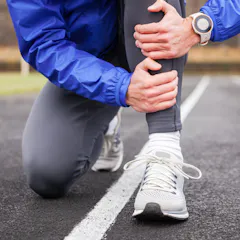
Between 9% and 20% of runners will suffer from shin splints at some point in their life.
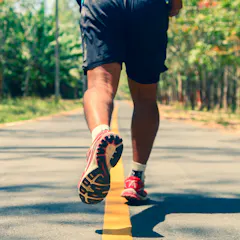
Running a marathon a day can have a major impact on your physical and mental health.
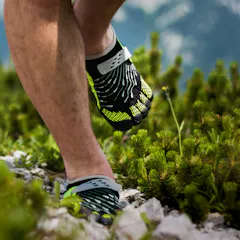
Thinking of trying barefoot running? We investigated a new strategy to switch from traditional shoe to barefoot running, and why barefoot running may work for some runners but not others.
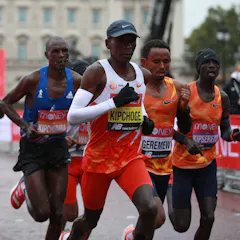
The right pacing is key.
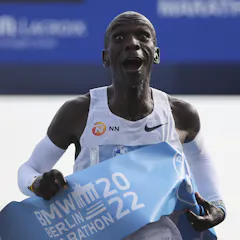
The greatest marathoner of our time just broke his own world record. Is an official marathon run in less than two hours any closer?

Carb loading is important, but make sure you do it properly.
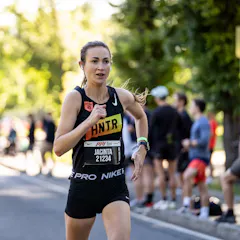
For many female runners, the feeling of liberation that running can bring is marred by the ever-present threat of street harassment and violence. It’s a major obstacle to running participation.
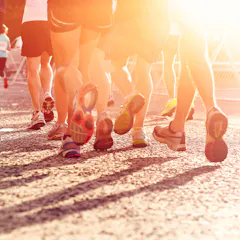
All event organizers should be prepared for emergencies and have a communication plan.

Lower participation and poorer performance in cross-country running by students at low-SES schools is troubling, because physical activity and fitness are closely tied to health and well-being.

I have been re-drawing my data to make visible what Strava cannot. The unheroic stuff: emotions, persistent thoughts, body sensations, lyrics from the songs, the weather.
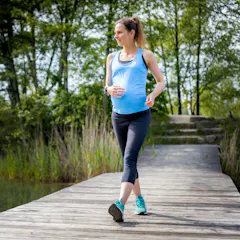
Exercising during pregnancy is safe – and can have many benefits for both mother and baby.
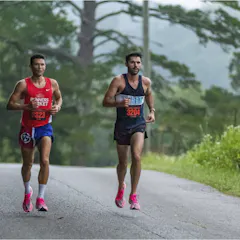
What is the best strategy for running your best race? A new computer model might soon join your training team.
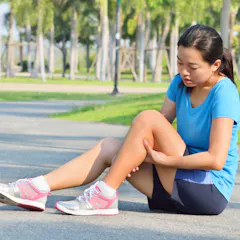
Running injuries don’t have to be inevitable.
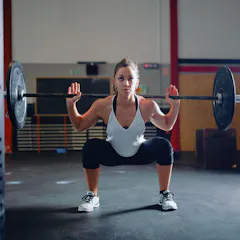
Weight lifting and other resistance exercises might be key to becoming a better runner.
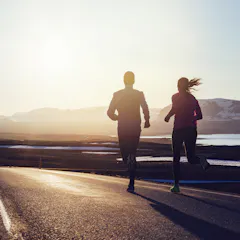
A growing body of research points to the body’s natural cannabinoid system as the primary driver behind the runner’s high – and the mental health boost and stress relief following exercise.
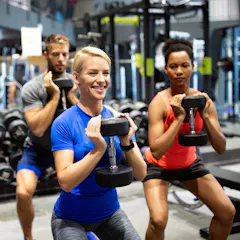
Our analysis showed 13 genes that were directly responsible for influencing how certain people adapted to different types of exercise.
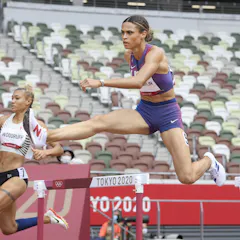
‘Super spikes’ and a springy track can’t take all the credit for lightning-fast sprint times at the Tokyo Olympics
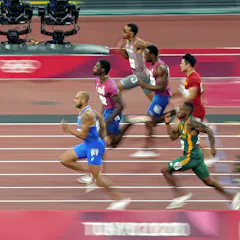
Muscles alone can’t produce the power for Olympic success. The elastic propulsion for fast movement comes from the tendons.

Gymnasts need to carefully calibrate their leg muscles to gain optimum spring from the floor, springboard or beam. And their arms are crucial for balance and creating the right amount of rotation.
Top contributors
-

Professor of Exercise Physiology, Anglia Ruskin University
-
PhD Candidate, Exercise Physiology, Anglia Ruskin University
-
PhD Candidate, Sport and Exercise Science, Anglia Ruskin University
-
Professor of Environmental Humanities, University of Kent
-
Lecturer in Exercise Science, Adelaide University
-
Postdoctoral research assistant at the Welsh Institute of Physical Activity, Health & Sport (WIPAHS), Swansea University
-
Professor, Department of Economics & SoDa Laboratories, Monash Business School, Monash University
-
Senior Lecturer, Sport & Exercise Biomechanics, Adelaide University
-
Senior Lecturer in Sport and Exercise, Teesside University
-
Professor of Biomechanics, Edith Cowan University
-
Lecturer, School of Sport, Rehabilitation and Exercise Sciences, University of Essex
-
Program Director of Nutrition and Food Sciences, Accredited Practising Dietitian, Adelaide University
-
Associate Professor of Sports Technology, Bournemouth University
-
Professor, Faculty of Kinesiology and Recreation Management, University of Manitoba
-
Lecturer in Biomechanics, University of Bath