

Up to 40% of all jobs now are tipped to be taken over by AI and robots in the next few decades. My grandmother, born on a farm almost a century ago, has some advice on how to cope.
Articles on Robotics
Displaying 61 - 80 of 260 articles

Sci-fi nightmares of a robot apocalypse aside, autonomous weapons are a very real threat to humanity. An expert on the weapons explains how the emerging arms race could be humanity’s last.
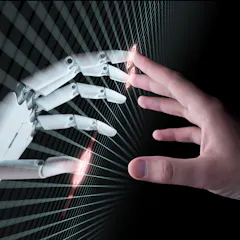
With advances in technology, robots and artificial intelligence have increasingly more sophisticated encounters with humans.

From robotic hands to brain-like computers, the Human Brain Project has produced some intriguing results.

Researchers used an old theory on vibrating plane wings to study how fish swim so well. They were able to double the swimming efficiency of their robotic fish over a range of speeds.
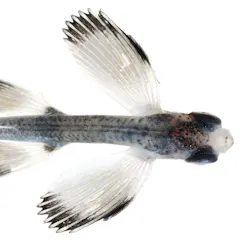
Fish fins are extremely flexible yet also strong. A special segmented fin design is the key to this useful combination of properties and could inspire new morphing materials.

Like atomic bombs and chemical and biological weapons, deadly drones that make their own decisions must be tightly controlled by an international treaty.

How do squirrels leap through trees without falling? It takes strength, flexibility and finely tuned cognitive skills.

At building collapse sites, aerial drones and ground robots can extend the eyes and ears of search and rescue personnel to places people can’t go – above and inside the rubble pile.
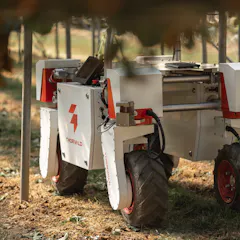
Autonomous robots hold great promise for the agricultural sector, but it’s vital that the public gets a say in their creation.
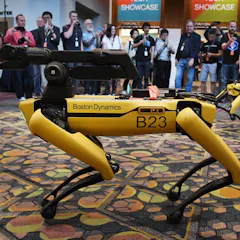
Marketing for robotic ‘dogs’ plays up their potential for good, but the debate about lethal autonomous weapons suggests public anxiety is warranted.
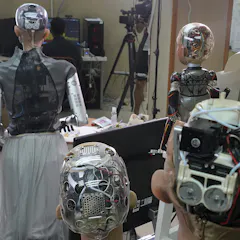
Robots are taking jobs, but they’re also saving lives … should we fear them and their capabilities?

Fibres that imitate the double helix of DNA can make artificial muscles more powerful than those found in nature.
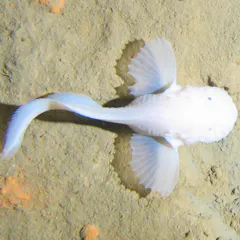
The device ventured nearly 11km below the surface to the Mariana Trench.
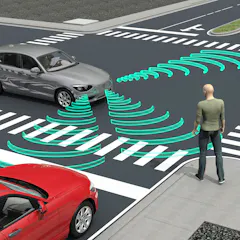
The public holds self-driving cars to incredibly high safety standards – and we’re working to meet them.
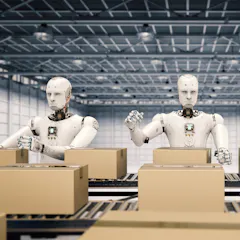
As the use of robots and autonomous machines increases across industries, governments need to have a strategy in place. The labour force will transition out of automated tasks into new jobs.

Unsettlingly, it appears that spiders’ legs really do have minds of their own.

Curved origami isn’t just elegant art. It’s also a versatile way to vary the amount of force applied by robots and other machines.
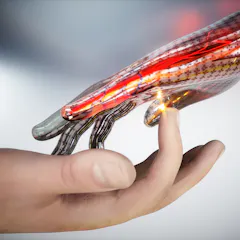
A new silicone ‘skin’ contains electronics that mimic the human body’s lightning-fast response to pain, potentially paving the way for smart prosthetics that can detect painful sensations.

Inspired by the aerobatic manoeuvres of the swift, a new “flapping wing” aircraft can hover, glide and dive much better than quadcopter-style drones.
Top contributors
-

Professor in Robotics, Queensland University of Technology
-
Professor of AI, Research Group Leader, UNSW
-
PhD in machine ethics, University of Canterbury
-
Professor, Director of the Centre for Robotics, Queensland University of Technology
-
The University of Melbourne
-
Professor Emeritus, Swinburne University of Technology
-
Reader in Autonomous Intelligent Robotics, University of Birmingham
-
Senior Lecturer, Department of Engineering, Nottingham Trent University
-
Senior University Teacher in Robotics, University of Sheffield
-
Researcher in Artificial Intelligence Regulation, Australian National University
-
Honorary Associate Professor, UNSW
-
Professor, School of Systems and Computing, UNSW
-
Lecturer in Robotic Systems, University of Manchester
-
Professor of Management, Co-Director of the MIT Sloan Institute for Work and Employment Research, MIT Sloan School of Management
-
Professor of the Practice of International Development, Harvard Kennedy School