
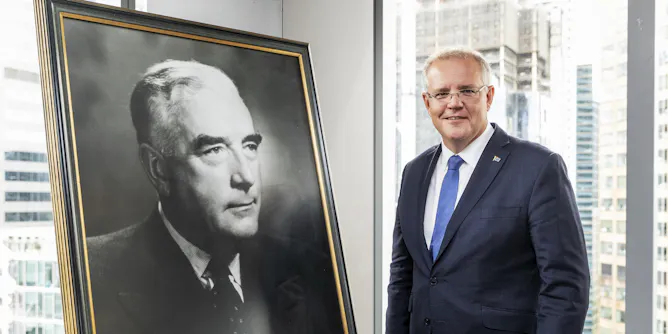
Government action to control rents isn’t unprecedented. Menzies did it in the second world and subsequent state measures kept rents in check for decades. Now extreme circumstances justify it again.
Articles on Rental housing
Displaying 61 - 80 of 145 articles
Even before COVID-19, 22% of international students often went without food or necessities and almost half depended on paid work to cover the rent. With many of their jobs gone, they’re now desperate.
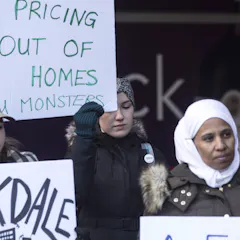
It’s time to reset Canada’s housing policies to make cities more affordable and more socially just places to live.
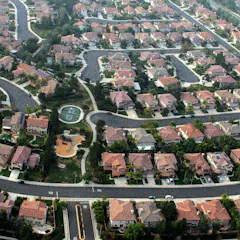
The consequences of laws introduced into both the NSW and Tasmanian parliaments are anything but foreseeable.
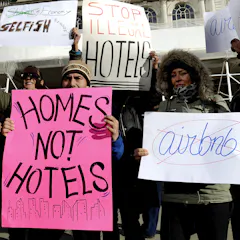
Platforms like Airbnb have been blamed for reducing the rental housing supply and pushing up rents. But investors seeking more security might now want to offer their properties to long-term renters.

Housing is our first line of defence against coronavirus, so leaving someone homeless increases the risk for everyone. Australia should follow other countries in imposing a moratorium on evictions.

A new analysis shows an economic downturn due to COVID-19 will dramatically increase rental stress for people with insecure or casual work.

More older Australians are carrying housing debt later in life, or not owning homes at all, but lack suitable alternatives to the family home. The result is lower incomes in retirement.

One in four Australian households now rent their homes in the private rental market. Flexibility and lifestyle are key reasons some choose to rent even if they can afford to buy a home.

Helping tenants find work supposedly creates a pathway into private rental housing, freeing up social housing for others. Private rental costs and the situations of many tenants make that unrealistic.

After paying rent, more than half of low-income tenants don’t have enough left over for other essentials. And the latest evidence shows nearly half of them are stuck in this situation for years.

Two-thirds of tenants in Australia rent through an agent, so making a good impression on the agent matters. Certain characteristics count in tenants’ favour, but some factors are beyond their control.

Stereotypes that paint landlords as “bad” and tenants as “good”, and pit the two groups against each other, are actually holding back progress.
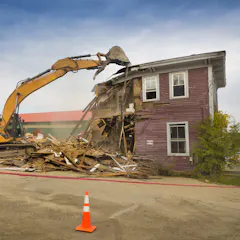
Labor’s rental affordability scheme had its problems, but let’s not throw the baby out with the bathwater.

Once rent is paid, having to live on only $14 a day doesn’t cover the costs of job seeking. The evidence of the need to increase Newstart and Rent Allowance is overwhelming.

The key to arresting galloping inequality in Australia comes down to housing policy and reversing spiralling housing costs.
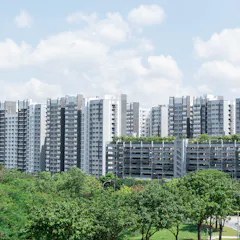
A coordinated mix of policies does more to keep housing affordable for a significant proportion of a city’s residents than the unbalanced approach we see in Sydney.

The government is being pressed to bring back a particularly ineffective and wasteful scheme.
The housing aspirations of young Australians change as they enter their late 20s and early 30s. But having somewhere safe and secure to call home is the top priority for all young adults.

Most older Australians want to live in a home they own, preferably in the middle and outer suburbs of a city. But increasing numbers look unlikely to realise their housing aspirations.
Top contributors
-

Emeritus Professor of Housing, UNSW
-
Alan Morris is a Friend of The Conversation.
Professor, Institute for Public Policy and Governance, University of Technology Sydney
-
Senior Research Fellow, City Futures Research Centre, UNSW
-
John Curtin Distinguished Professor, Curtin University
-
Professor of Housing Research, Adelaide University
-
Associate Professor, Geography and Urban Studies, Western Sydney University
-
Professor of Housing & Social Policy, HHAUS Housing, Homelessness & Urban Studies, Swinburne University of Technology
-
Professor of Urban and Regional Planning, University of Sydney
-
Professor of Social Epidemiology and Director of the Centre of Research Excellence in Healthy Housing at the Melbourne School of Population and Global Health, The University of Melbourne
-
Emeritus Professor, Urban Planning and Policy, University of Sydney
-
Research Associate, HHAUS research group, Swinburne University of Technology
-
Associate Professor & Associate Investigator ARC Centre of Excellence for Automated Decision Making + Society, Swinburne University of Technology
-
John Curtin Distinguished Professor, Curtin Business School, Curtin University
-
Associate professor in urbanism, University of Sydney
-
Research Associate, Centre for People, Organisation and Work, RMIT University