
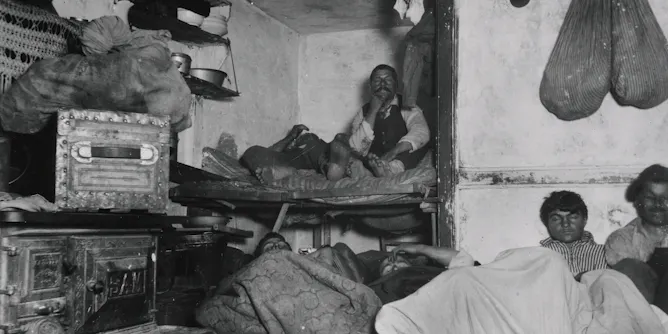
The standards we use today were designed to help avoid the overcrowded housing that blighted cities in the past. But severe overcrowding is again on the rise, so what needs to be done?
Articles on Rental housing
Displaying 101 - 120 of 145 articles
One problem with Airbnb is that it isn’t transparent about how many properties are truly ‘shared’ and how many are just part of a letting business. Regulators need to know that to manage the impacts.
Tasmania has an estimated rental housing shortfall of 29,200 households across the state. Especially in disadvantaged rural areas, local councils have had to step in to help house residents locally.
Housing affordability is one of Australia’s great unsolved problems. Some households can make adjustments to cover high housing costs, but the ones deprived of essentials are under real stress.
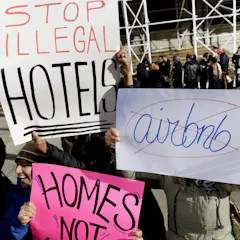
The patterns of Airbnb listings in Australia’s biggest cities suggest impacts on rental housing are likely to be biggest in high-end areas that appeal to tourists. Low-income areas are less affected.

The problem with most public housing ‘renewal’ programs is that the residents have the least say in what happens to the places they call home. The evidence of housing research is also being ignored.
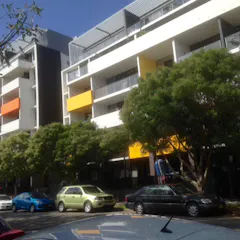
If local government is to deliver affordable housing, state and federal governments must assist. Even councils as powerful and well resourced as the City of Sydney cannot do it by themselves.
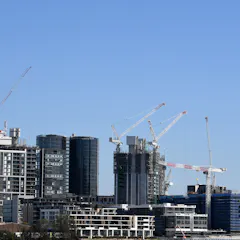
The clichés about housing supply and regulatory restraints are distractions from the need to focus on expanding the affordable housing sector to directly meet the needs of low-income households.

Increasingly insecure pathways to home ownership are not just a problem for property markets. The fallout is likely to hit retirement incomes, the welfare base, gender equity and the broader economy.
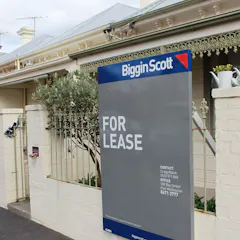
There is a risk that affordable housing policy may be colonised by for-profit interests if Australia imports the wrong rental housing ideas from overseas.

The Australian government has at last taken the lead in affordable housing policy with a package of measures that should attract institutional investors hungry for low-risk returns.

Yet again the evidence shows supply is no cure-all for affordable housing. All levels of government in Australia need to concentrate on housing for low-income renters in particular.

So you’re having to room share to live in the city. What if you need more than a place to sleep? Well, now you can rent a living room by the minute. Welcome to the world of distributed living.

Finding secure affordable housing is a problem for older women across Australia. But new research finds women in regional areas have different priorities from those in the cities.
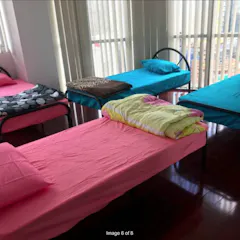
City living costs are driving people to organise themselves to share a room with strangers. These precarious living arrangements hardly qualify as a home.
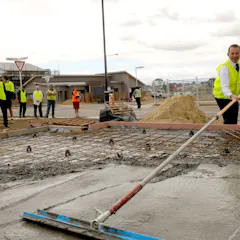
Unaffordable housing and homelessness are burning issues. Policymaking has suffered from a critical lack of data and expert input since the National Housing Supply Council was axed in 2013.

About 10% of empty dwellings on census night – 1.2% of all housing – were available for rental and vacancy rates have changed little in 35 years. Could governments be overreacting?

Residents of two high-rise public housing blocks are being given ‘mood lights’ to express how they feel based on their experience of the process of redeveloping their neighbourhood.
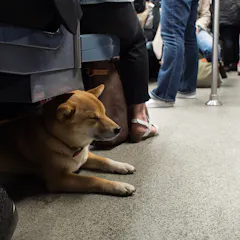
Why does Australia, a nation of pet lovers, not allow pets on public transport or guarantee tenants the right to keep a pet?
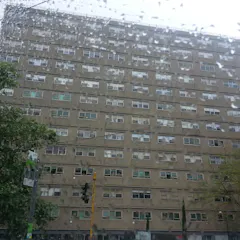
Even where communities are mixed, many inner-city families go to extraordinary financial and geographic lengths to ensure their children do not go to school with children from ‘the flats’.
Top contributors
-

Emeritus Professor of Housing, UNSW
-
Alan Morris is a Friend of The Conversation.
Professor, Institute for Public Policy and Governance, University of Technology Sydney
-
Senior Research Fellow, City Futures Research Centre, UNSW
-
John Curtin Distinguished Professor, Curtin University
-
Professor of Housing Research, Adelaide University
-
Associate Professor, Geography and Urban Studies, Western Sydney University
-
Professor of Housing & Social Policy, HHAUS Housing, Homelessness & Urban Studies, Swinburne University of Technology
-
Professor of Urban and Regional Planning, University of Sydney
-
Professor of Social Epidemiology and Director of the Centre of Research Excellence in Healthy Housing at the Melbourne School of Population and Global Health, The University of Melbourne
-
Emeritus Professor, Urban Planning and Policy, University of Sydney
-
Research Associate, HHAUS research group, Swinburne University of Technology
-
Associate Professor & Associate Investigator ARC Centre of Excellence for Automated Decision Making + Society, Swinburne University of Technology
-
John Curtin Distinguished Professor, Curtin Business School, Curtin University
-
Associate professor in urbanism, University of Sydney
-
Research Associate, Centre for People, Organisation and Work, RMIT University