

The share of homes owner-occupied has slipped only two percentage points since 1996, but the proportion owned outright has slid from 42% to 31%.
Articles on Rental housing
Displaying 41 - 60 of 145 articles
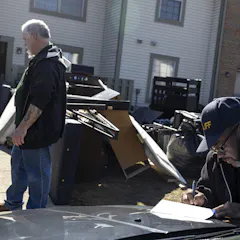
A federal eviction ban had much less effect than state-specific restrictions, an analysis of eviction data finds.
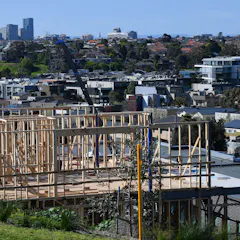
The pledge to build 30,000 homes over the next five years exposes the government’s inaction, but it’s still only a fraction of the number Australians need.

JobKeeper, the COVID boost to JobSeeker, and moratoriums on rent increases and evictions all ended this month. Only smarter policies will prevent homelessness, as a landmark Victorian report explains.

JobKeeper and the COVID Supplement to JobSeeker benefits will be gone in a week. The combined effect will be to halve some recipients’ incomes and the rent they can afford.

Even before the pandemic added to their financial stresses, a survey of international students suggests more than 20,000 were renting beds that are available to them for only certain hours.

The rise of build-to-rent development will affect a lot of Australians. Despite the rosy promises, tax, design, planning and tenancy reforms will be needed to avoid the potential pitfalls.

Trying to find housing can be a nightmare for pet owners, especially those who need it in a crisis. The inconsistencies from state to state and between different forms of housing demand reform.
Analysis of online listings on common online platforms shows even modest reductions in Airbnb listings increased supply of longer-term rentals. The result was lower local rents.
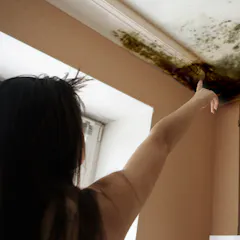
In Australia, we do housing and we do health, but they sit in different portfolios of government and the policy dots aren’t joined often enough.

The impacts of the pandemic on jobs and incomes have been so widespread and severe that low-income households can afford very few properties despite rents falling in some parts of our capital cities.

Buyers and renters are very rarely told the energy rating of housing, but don’t blame the agents. As it’s voluntary for existing homes, very few are rated, so it’s not a big factor in the market.

Accommodation providers are reporting huge increases in the numbers of people coming to them for help. They’d love to be able to use newly vacant rental housing, but it’s not a lasting solution.

High rents and insecurity are constant sources of financial and emotional stress for low-income women. They describe what it’s like struggling to survive and being one step away from being homeless.

Older women have been the fastest-growing group of homeless people in recent years. New research shows about 240,000 women aged 55 or older and another 165,000 women aged 45-54 are at risk.

The pandemic has brought to a head deep-rooted problems with how housing is provided in Australia. Fortunately, the solutions can play a central role in the national recovery process.

The condominium model has had lingering ailments since its birth, and the new grim reapers of coronavirus and financial strife could bring about its demise.
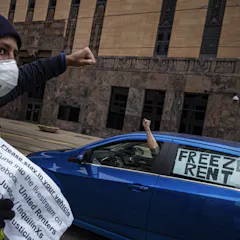
Current measures prohibiting the eviction of tenants and helping them through the financial crisis won’t last forever. A 40-year-old voucher program might be a longer term solution.
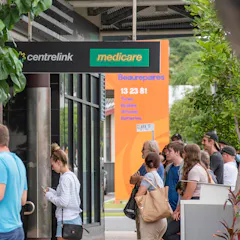
Australians faces an even more unequal future unless post-pandemic housing policy focuses on equity, solidarity and security. .

Many want to do the right thing – tenants and landlords alike. But they lack guidance on how to go about it while still keeping their own heads above water.
Top contributors
-

Emeritus Professor of Housing, UNSW
-
Alan Morris is a Friend of The Conversation.
Professor, Institute for Public Policy and Governance, University of Technology Sydney
-
Senior Research Fellow, City Futures Research Centre, UNSW
-
John Curtin Distinguished Professor, Curtin University
-
Professor of Housing Research, Adelaide University
-
Associate Professor, Geography and Urban Studies, Western Sydney University
-
Professor of Housing & Social Policy, HHAUS Housing, Homelessness & Urban Studies, Swinburne University of Technology
-
Professor of Urban and Regional Planning, University of Sydney
-
Professor of Social Epidemiology and Director of the Centre of Research Excellence in Healthy Housing at the Melbourne School of Population and Global Health, The University of Melbourne
-
Emeritus Professor, Urban Planning and Policy, University of Sydney
-
Research Associate, HHAUS research group, Swinburne University of Technology
-
Associate Professor & Associate Investigator ARC Centre of Excellence for Automated Decision Making + Society, Swinburne University of Technology
-
John Curtin Distinguished Professor, Curtin Business School, Curtin University
-
Associate professor in urbanism, University of Sydney
-
Research Associate, Centre for People, Organisation and Work, RMIT University