
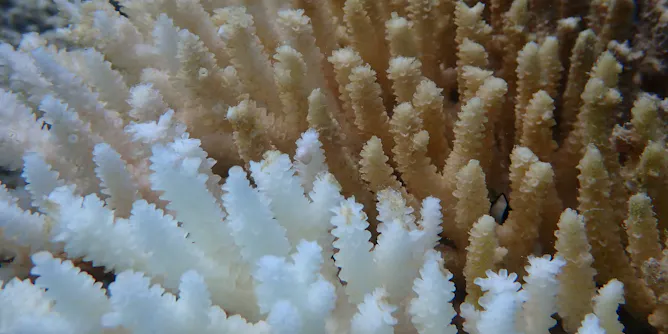
Mounting evidence shows the state of coral reefs is worsening despite concerted local conservation. The answer is public pressure for meaningful climate action.
Articles on Reef
Displaying 1 - 20 of 26 articles
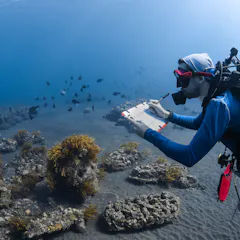
Most restoration programmes focus their efforts on increasing coral growth, but rarely ask whether the reef is actually functioning as a living ecosystem.
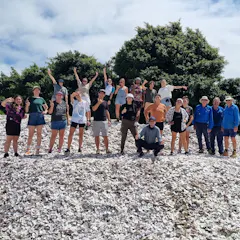
A clever approach to restoring Australia’s native oyster and mussel reefs in Queensland’s Moreton Bay is catching on, giving community groups a way to get involved in their local patch.
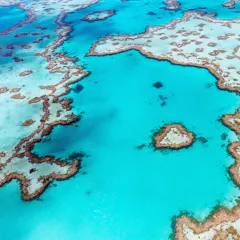
New data shows coral cover in the Great Barrier Reef is at a record high, despite a disturbing decade of marine heatwaves, cyclones and floods. While the data is robust, it can be deceptive.
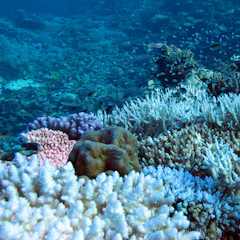
They’re more used to taking visitors to the reefs, but COVID-19 gave tour operators time to help check the condition of the corals. What they found doesn’t bode well.
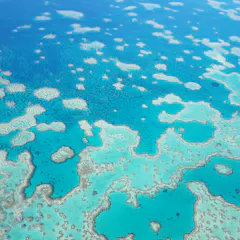
Coral bleaching on the Great Barrier Reef could lead to increased vulnerability of Queensland coastal cities and towns, and not only through its impacts on the tourism industry.
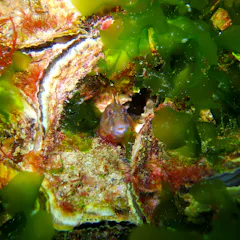
In colonial times Australia’s waters were teeming with mud oysters that provided food, cement, and cleaned the oceans. Now a 20-hectare man-made reef aims to restore some of their former glory.
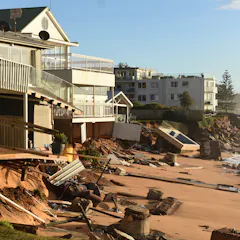
The ocean warming that might increase the threat of a catastrophic storm could also create the conditions for a natural defensive barrier.
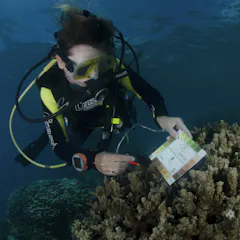
As the Great Barrier Reef suffers a second wave of mass bleaching, there is a way to get involved.
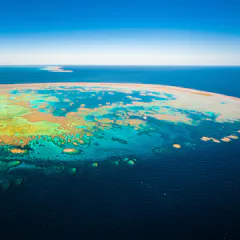
A groundbreaking new economic study has found that investing A$8.2 billion would get us very close to hitting targets to cut water pollution into the Great Barrier Reef by 2025.
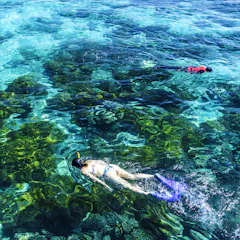
All mention of Australia has been removed from an international report on climate change on the grounds that it would damage tourism. Here’s the evidence.
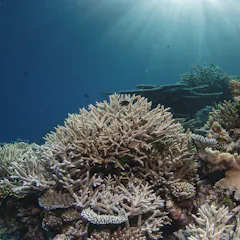
Banning fishing helps fish, but it also helps reef recover from cyclones, disease, and coral bleaching.
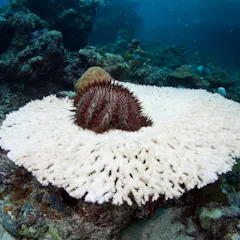
To fix pollution on the Great Barrier Reef, some farming practices will have to change.
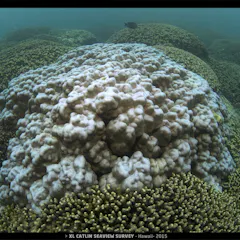
Many corals can’t make it through the bleaching events caused by warming ocean waters. But some can – and scientists are trying to learn more about the sources of their resilience.
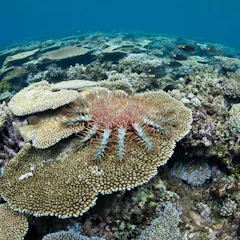
Despite 15 years of concerted action by the Australian and Queensland governments the health of the reef is not improving and in fact may be continuing to deteriorate.

Diving in many parts of Indonesia, Thailand and Malaysia now costs a little more than it used to – but you might be happy to discover why.

The Great Southern Reef covers 71,000 square km and contributes more than A$10 billion to Australia’s economy each year.
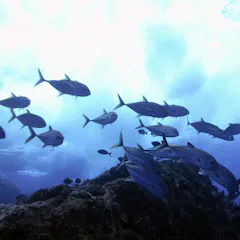
Scuba-diving scientists devise method for gauging the health of coral reefs – a vital ecosystem for keeping fisheries sustainable for people.
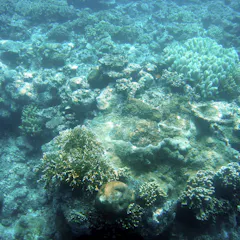
Dredging has a direct impact on coral health, according to a study published today in PLoS ONE that shows for the first time the link between dredge spoil and coral disease in the wild. The research, led…
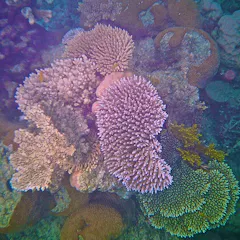
The Great Barrier Reef Marine Park Authority has announced it will allow the dumping of three million cubic metres of dredge spoil from the Abbot Point port redevelopment within the marine park’s boundaries…
Top contributors
-

Professor, Sustainable Marine Futures, Environment Institute, Adelaide University
-
Postdoctoral researcher, marine ecology, Adelaide University
-
Associate Professor, Marine Ecology, School of Molecular and Life Sciences, Curtin University
-
Senior Research Scientist, CSIRO
-
Professor, University of Tasmania
-
Postdoctoral Fellow at the Spanish National Research Council (CSIC), Curtin University
-
Professorial Fellow, ARC Centre of Excellence for Coral Reef Studies, James Cook University
-
Lecturer in tourism planning and development, CQUniversity Australia
-
Emeritus Professor of Urban & Regional Planning, University of Canberra
-
Research Fellow (Coastal and Marine), The University of Queensland
-
Professor of Regional Economic Development, School of Business and Law, CQUniversity Australia
-
Lead - Pilot Deployments Program (AIMS); Professor (Queensland University of Technology; Adjunct), Queensland University of Technology
-
Distinguished Professor, James Cook University
-
Professor, Department of Biology, Dalhousie University
-
Professor of Marine Botany, The University of Western Australia