

Recycled waste water is perfectly safe to drink, but many people aren’t keen to use it for anything other than watering plants.
Articles on Recycled water
Displaying all articles
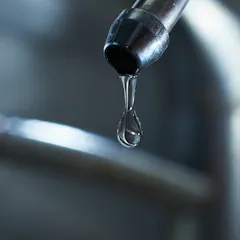
To build drought resilence, Sydney must invest in rainfall-independent water supplies.

We detected 180 contaminants in treated and untreated water. None of those found in treated water breached human health guidelines, but we should not forget about potential impacts on the environment.

Australian politicians have a history of opting for high-cost, high-emissions desalination projects. The Queensland government is still wary of using the largely untapped resource of recycled water.
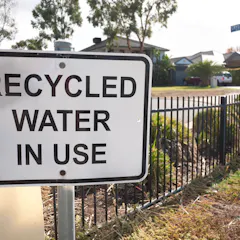
Researchers have long argued that greywater could bolster South Africa’s food security if it’s used to water domestic food gardens.

To continue to sustain or grow populations — and economies — more is going to have to be done with the same amount of water, or even less.
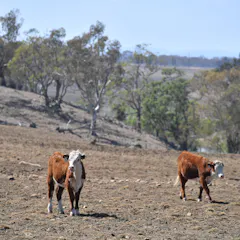
Once water is used in washing, cleaning or even sewerage it can be safely and reliably treated. The treated water is then safe to drink – identical to the original water.
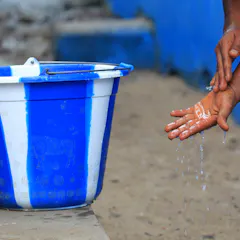
Wastewater reuse suffers from a perception problem.

Cities relied entirely on conserving and recycling water to get through the last big drought. We now have desalination plants, but getting the most out of our water reserves still makes sense.

Perth is looking at recycling all its sewage in the city’s future water supply. But many Australians’ drinking water already contains indirectly recycled treated sewage.
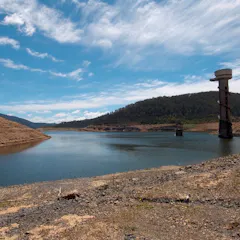
Australian cities have turned to some very costly solutions when water is scarce. But as the world’s second-highest users of water per person, more efficient use and recycling are key.
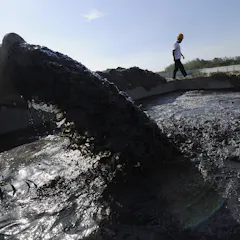
There is no longer any good reason to waste any type of water. We have the technology to turn waste water into a vital resource.
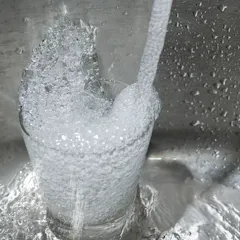
In light of climate change and a growing population, water authorities around the world are looking to recycled water.
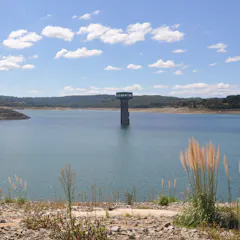
Despite its long idle, Melbourne’s desalination plant plays a vital role in providing water in a drying climate.

Australians eat a lot of water. Nearly 500 L is required to produce the food each of us eats every day.
Top contributors
-

Associate Professor in Environmental Science, Western Sydney University
-
Academic Officer, Water Resource Management Unit lead, Institute for Integrated Management of Material Fluxes and of Resource (UNU-FLORES), United Nations University
-
Director of the Institute for Sustainability and Innovation, Victoria University
-
Researcher in sustainable food systems, The University of Melbourne
-
Associate Professor in Food Systems, The University of Melbourne
-
Senior Research Fellow, Institute for Sustainable Industries and Liveable Cities, Victoria University, Victoria University
-
Senior Lecturer, Western Sydney University
-
Associate Professor of History, Australian National University
-
Honorary Professor, School of Natural Sciences, Macquarie University
-
Professor and Head of School of Civil Engineering, University of Sydney
-
Researcher, School of Chemistry, University of the Witwatersrand, University of the Witwatersrand
-
Professor of Geospatial Sciences, University of the Western Cape
-
Professor of History, The University of Western Australia
-
Investigador posdoctoral en psicología social aplicada al medioambiente, Universidade de Santiago de Compostela
-
Professor, UTS Institute for Public Policy and Governance and UTS Centre for Local Government, University of Technology Sydney